Gas Line Installation Cost by Length
Most gas line jobs are priced by the linear foot, so distance from the meter or nearest main line is the biggest cost driver. Simple runs through an open basement or crawl space typically cost $15 to $25 per foot installed. Complex runs through finished walls, under floors or underground can reach $35 to $50 per foot or more.
| Line length | Simple run | Complex run |
|---|---|---|
| 10 feet | $150–$250 | $350–$500+ |
| 20 feet | $300–$500 | $700–$1,000+ |
| 30 feet | $450–$750 | $1,100–$1,500+ |
| 50 feet | $750–$1,300 | $1,800–$2,500+ |
| 75 feet | $1,100–$1,900 | $2,600–$3,800+ |
| 100 feet | $1,500–$2,500 | $3,500–$5,000+ |
These per-foot figures cover pipe and labor. Permits, pressure testing and the final appliance hookup are usually added on top, which is why a short 20- to 30-foot run to one appliance often ends up around $800 all-in.
Many plumbers also have a minimum charge for small jobs, so even a 5-foot extension rarely costs less than a few hundred dollars once the permit and leak test are included.
Pipe diameter
Pipe size matters as much as length. Longer runs and high-BTU appliances such as furnaces, pool heaters and tankless water heaters need larger-diameter pipe, which costs more per foot and takes longer to thread and fit. Your plumber sizes the line from code tables based on total connected load and distance from the meter.
Gas Line Cost by Appliance
The appliance you’re connecting affects the length of the run, the pipe size and whether the line goes outdoors. Typical installed costs:
| Appliance | Typical installed cost | Notes |
|---|---|---|
| Clothes dryer | $400–$900 | Usually a short run in a laundry room |
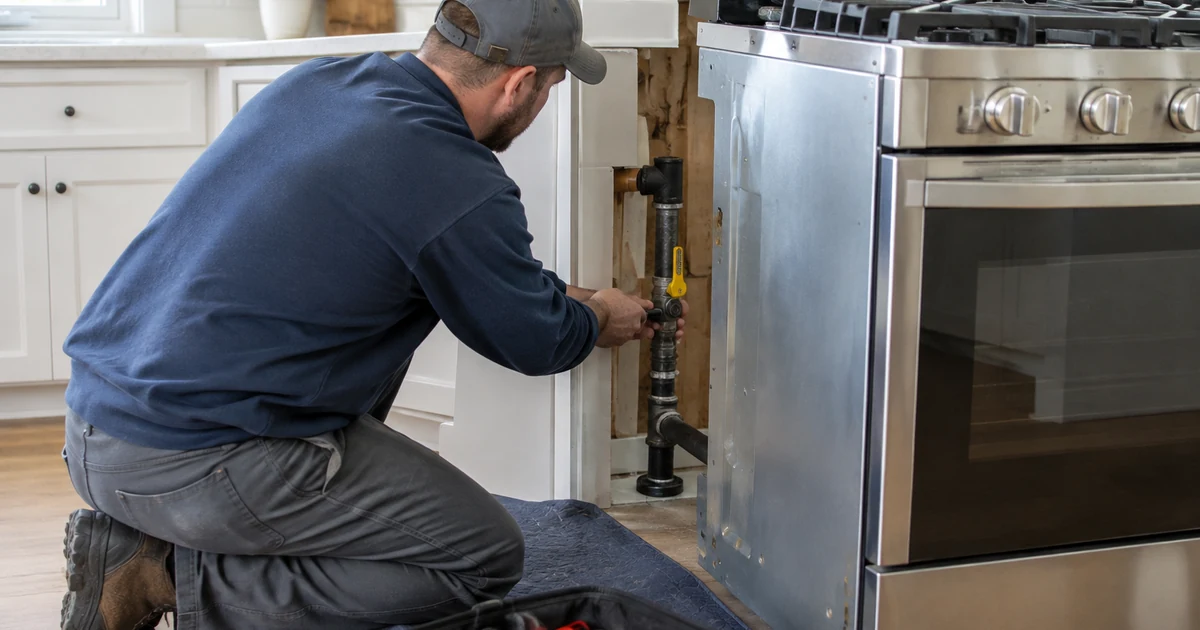
| Stove or range | $500–$1,200 | Harder if the kitchen is far from the main line |
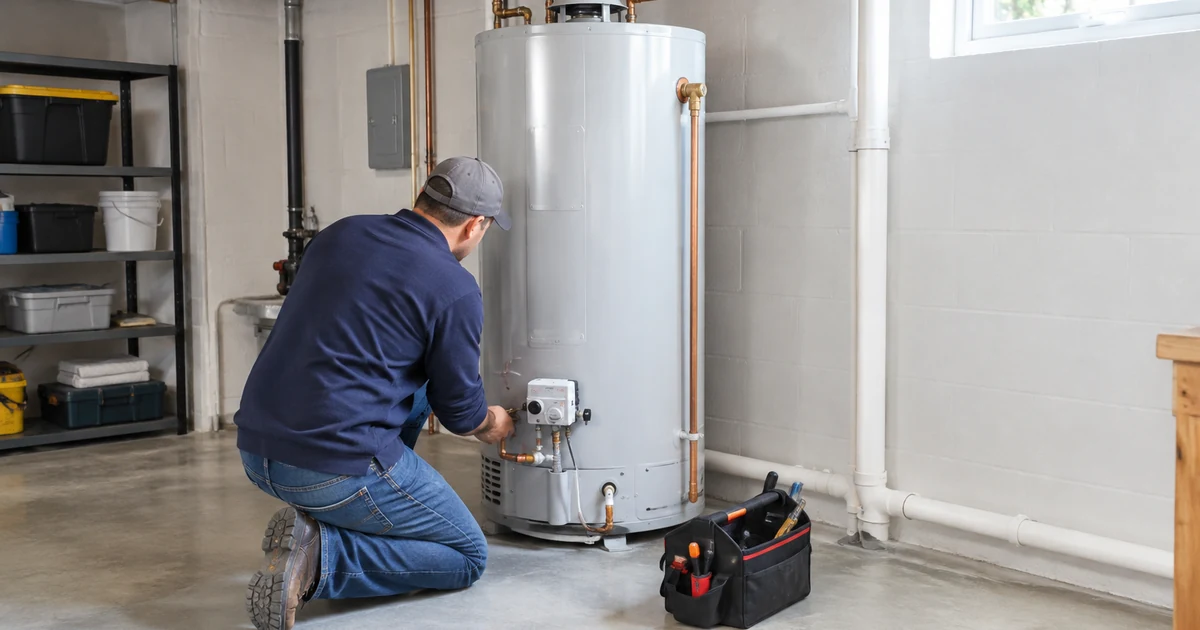
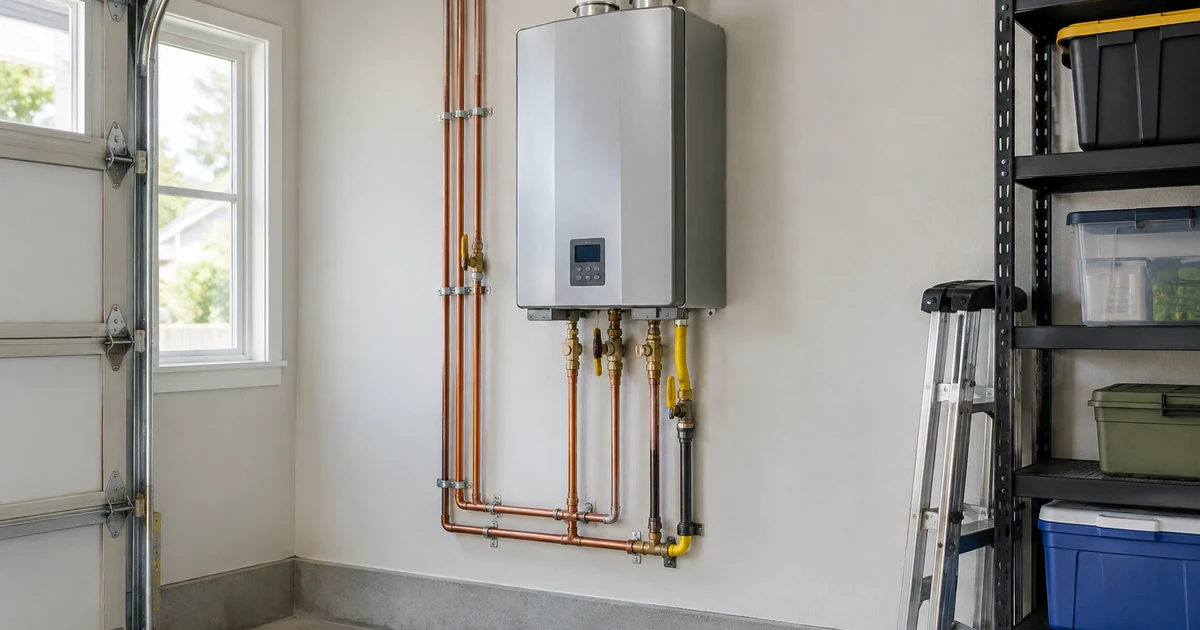
| Water heater | $500–$1,000 | Tankless units may need a larger line |
| Gas fireplace | $500–$1,000+ | Plus fireplace insert or venting |
| Furnace | $600–$1,500 | Common in electric-to-gas heating conversions |
| Outdoor grill or fire pit | $600–$1,300 | Buried line and trenching add cost |
| Pool heater | $500–$1,500+ | High BTU demand, often long outdoor runs |
| Standby generator | $400–$1,500+ | May require a meter upgrade |
If the line is part of a bigger project, factor it into the total. A gas standby generator, for example, often needs a dedicated line and sometimes a larger meter; see our generator installation cost guide. Gas tankless water heaters are another common reason to run a new or bigger line, covered in our tankless water heater installation cost guide.
Cost Breakdown: Materials vs. Labor
Labor is usually the larger share of a gas line bill, because the work must be done carefully and tested. Pipe itself is relatively inexpensive.
- Pipe materials: $1–$10 per foot depending on material
- Labor: $45–$200 per hour for a licensed plumber or gas fitter (master plumbers sit at the top of that range)
- Fittings, shutoff valve, sediment trap and connector: typically $75–$150
- Permit: $100–$300+
- Pressure test: $75–$150 standard; up to $500 for extended testing
- Inspection: $50–$75 in many areas, up to $300 in some regions
Cost by pipe material
| Material | Cost per foot (material) | Where it’s used |
|---|---|---|
| Black iron (steel) | $5–$10 | Traditional indoor gas piping |
| CSST (corrugated stainless steel) | $2–$10 | Flexible, faster to install through walls |
| Galvanized steel | $2–$9 | Some outdoor and older installations |
| Copper | $1–$6 | Allowed only in some jurisdictions |
| Polyethylene (HDPE) | $1–$3 | Underground runs only |
CSST costs about the same per foot as black iron but installs faster, which can lower labor. It must be bonded to the home’s grounding system per manufacturer and code requirements, which some quotes list as a separate electrical item.
Other Factors That Affect the Price
Indoor vs. outdoor runs
Underground lines to a grill, pool heater or detached garage need trenching at roughly $4 to $15 per foot, or horizontal directional drilling at $10 to $30 per foot when you want to avoid tearing up a driveway or landscaping.
Finished walls and floors
Running pipe through finished drywall or flooring means opening and patching surfaces. Drywall repair after gas work commonly adds $300 to $925, depending on how many openings are needed.
Meter capacity
Adding a high-demand appliance can exceed what your meter or regulator supplies. A new meter typically costs $300 to $600, while relocating a meter can run $1,000 to $4,500. The gas utility usually handles meter work and may have its own fees and timeline.
New service line
If your home has no gas service at all, the utility must run a line from the street. That can cost $2,000 to $10,000 or more, and some utilities offer credits or free footage when you commit to gas appliances. Converting a whole home to gas typically costs $2,200 to $7,500 for interior piping alone.
Natural gas vs. propane
Homes without natural gas service can run the same appliances on propane. The interior piping costs about the same, but you also need a tank. Hooking up to a leased tank can cost as little as about $75, while buying and installing your own tank runs roughly $400 to $2,800, and annual tank leases typically cost $50 to $200. Propane appliances may also need conversion kits or propane-specific models.
Electric-to-gas conversions
Switching major appliances from electric to gas is where gas line costs climb. Each appliance needs its own branch sized for its BTU rating, and a furnace or tankless water heater may require a larger main trunk line. If a new gas furnace is part of your plan, compare the combined budget with our furnace replacement cost guide. Full oil-to-gas heating conversions typically cost $6,000 to $12,000 when a gas service already reaches the house, and considerably more when a new service line is needed.
Location
Labor rates vary widely by state. Reported averages for typical projects range from about $500 in lower-cost states to over $900 in California. Use the region selector in the calculator to adjust your estimate.
Before you hire: get at least three written, itemized quotes from licensed and insured local pros. Prices for the same job often differ by 30% or more, and comparing line items is the fastest way to spot padding or missing work.
DIY vs. Hiring a Pro
Gas line work is not a DIY job. A small leak can lead to fire, explosion or carbon monoxide problems, and most states and cities require gas piping to be installed by a licensed plumber or gas fitter with a permit and a pressure test.
Unpermitted gas work can also cause problems with insurance claims and home sales. A licensed pro will size the pipe for the total BTU load of all your gas appliances, which is critical: an undersized line can starve appliances and cause poor performance.
The one task homeowners commonly handle is connecting an appliance to an existing, properly installed shutoff valve with a new flexible connector, and even then many utilities and manufacturers recommend a professional.
Signs of a Gas Line Problem
If you smell rotten eggs, hear hissing near a gas pipe or appliance, or see dead vegetation along a buried line, leave the home and call your gas utility or 911 from outside. Don’t flip switches or use anything that could spark.
Repair costs depend on where the leak is. A leak at an appliance connection might cost $120 to $250 to fix, one behind a wall or in a crawl space $270 to $760, and a buried line $1,500 to $5,000.
How to Save Money on Gas Line Installation
- Plan appliance locations close to the existing gas main to shorten the run.
- Bundle multiple hookups in one visit, since the permit, test and trip charge are only paid once.
- Get at least three quotes that include the permit, pressure test and appliance hookup, so you can compare like for like.
- Ask about CSST for long runs through finished spaces, where it can reduce labor and wall repairs.
- Check with your gas utility for new-customer or conversion incentives before running a new service line.
- Do easy prep yourself, such as clearing the work area or patching drywall afterward, if allowed.
Buying a house with gas appliances? A standard home inspection checks visible gas connections, which can flag problems before you close.
Frequently Asked Questions
How much does it cost to run a gas line for a stove?
Running a gas line to a kitchen range typically costs $500 to $1,200, including the shutoff valve, permit and hookup. Kitchens far from the main line or on upper floors fall at the higher end.
How much does a gas line cost per foot?
Expect about $15 to $25 per linear foot for simple runs in open basements or crawl spaces, and $35 to $50 or more per foot for complex runs through finished walls or underground.
Do I need a permit to install a gas line?
Yes, almost every jurisdiction requires a permit, a pressure test and an inspection for new gas piping. Permits commonly cost $100 to $300 and are usually pulled by the licensed plumber or gas fitter.
Can I run my own gas line?
In most areas, gas piping must be installed by a licensed professional, and DIY gas work creates serious fire, explosion and carbon monoxide risks. Unpermitted work can also complicate insurance claims and home sales.
How long does it take to install a gas line?
A short indoor run to one appliance often takes a few hours to a day. Outdoor trenching, multiple appliances, or waiting on a utility meter upgrade and inspection can stretch the project to several days.
Is CSST or black iron pipe better for gas lines?
Both are code-approved when installed correctly. Black iron is durable and traditional, while flexible CSST installs faster with fewer joints, which can reduce labor, but it must be properly bonded to the home’s electrical grounding system.