Home Inspection Cost by Home Size
Square footage is the main factor in a standard home inspection price, because bigger homes have more rooms, systems, and roof area to check and take longer to document. Most inspectors publish a base price for homes up to a certain size and add a fee for each additional 500 or so square feet.
| Home size | Typical inspection cost | Common examples |
|---|---|---|
| Under 1,000 sq ft (condo, small house) | $200 – $250 | Condos, small bungalows |
| 1,000 – 1,500 sq ft | $250 – $325 | Starter homes, townhouses |
| 1,500 – 2,000 sq ft | $300 – $400 | Typical 3-bedroom single-family |
| 2,000 – 2,500 sq ft | $350 – $450 | Larger 3–4 bedroom homes |
| 2,500 – 3,000 sq ft | $400 – $500 | 4+ bedroom homes |
| Over 3,000 sq ft | $500 – $800 | Large and luxury homes |
The national average is about $340, which is what most buyers pay for a typical single-family home of 1,500 to 2,000 square feet. Prices vary by inspector and market, so treat these as national ballpark figures.
Cost by property type
- Condo (500–1,000 sq ft): $200 to $250. The inspection usually covers the unit only, not common areas or the roof.
- Single-wide mobile home: $200 to $300.
- Double-wide mobile home: $250 to $450.
- New construction: a pre-drywall inspection runs about $100 to $400, a final inspection before closing about $200 to $400, and an 11-month warranty inspection about $250 to $350.
- Detached garages, guest houses, or sheds: often $25 to $50 per extra structure, or $200 to $250 for a guest or pool house.
What a standard home inspection covers
Most inspectors follow a state standard of practice or a national one such as those published by professional inspector associations. A general inspection typically covers:
- Structure and exterior: foundation (visible portions), framing, siding, grading, decks, porches, and drainage around the house
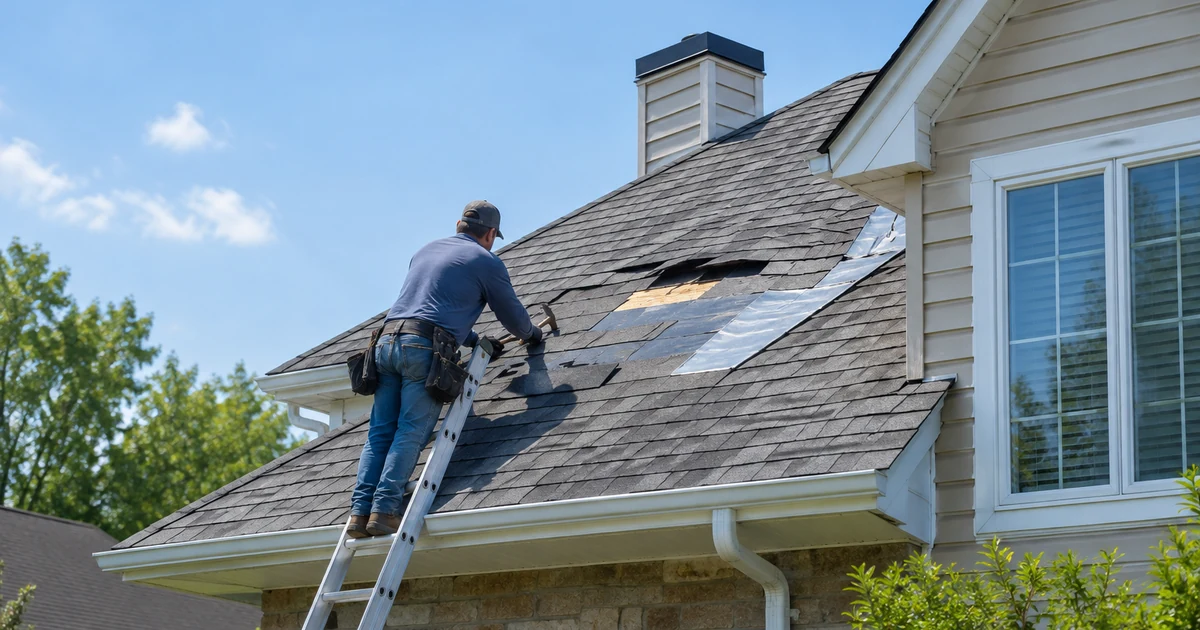
- Roof and attic: roof covering, flashing, gutters, ventilation, and visible insulation
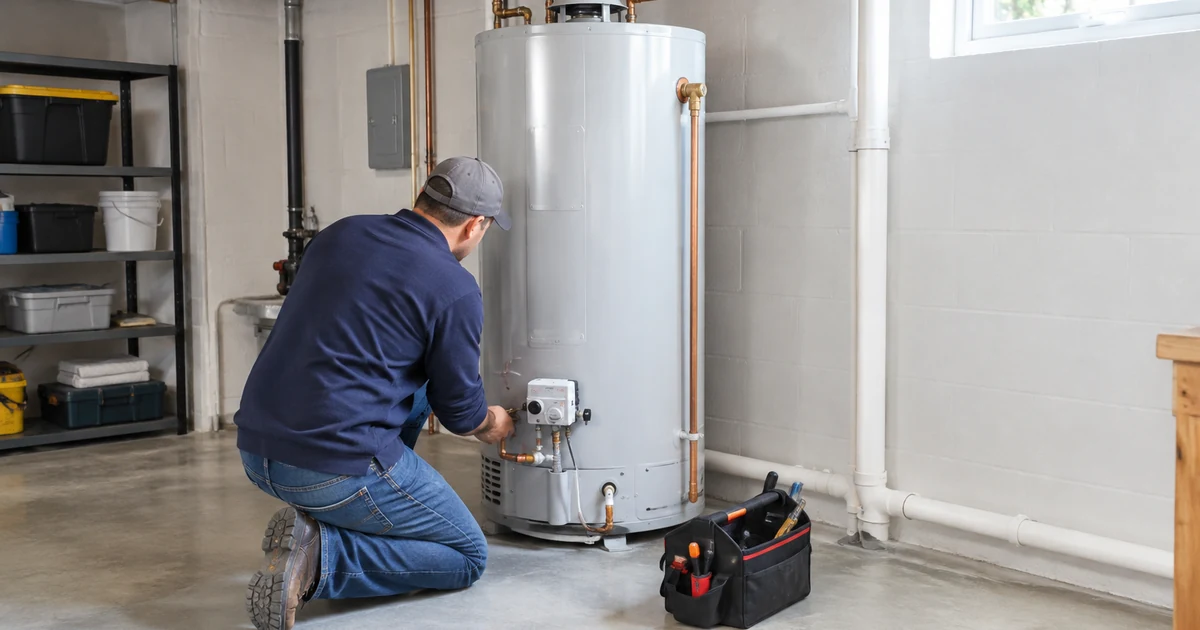
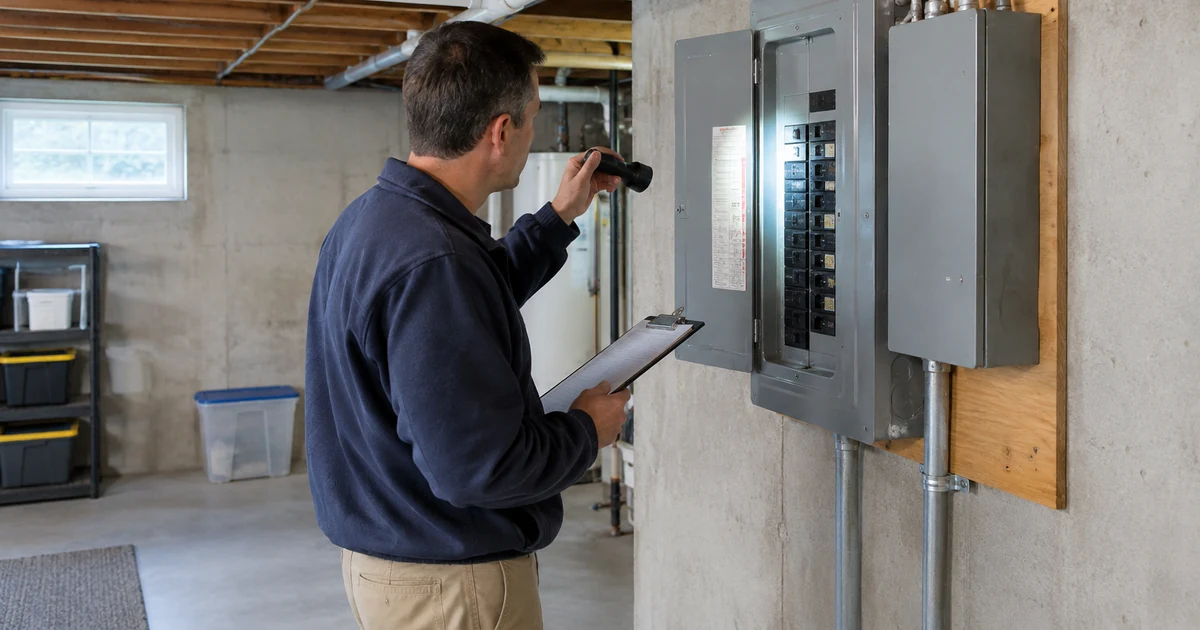
- Systems: electrical panel and a sample of outlets, plumbing supply and drains, water heater, heating and cooling equipment
- Interior: walls, ceilings, floors, windows, doors, stairs, and built-in appliances
It generally does not include anything behind walls, under carpets, or underground, and it does not cover cosmetic issues, code compliance, or pest identification. That is why specialized add-ons exist.
Add-On Inspection Costs: Radon, Sewer Scope, Termite and More
A standard home inspection is a visual, non-invasive check. It does not include lab testing, camera work inside pipes, or pest identification. Many inspectors offer these as add-ons, often at a discount when bundled with the main inspection.
| Add-on inspection | Typical cost | When to get it |
|---|---|---|
| Termite / wood-destroying insect (WDI) | $50 – $350 | Often required by lenders (VA loans in many states); wise in warm, humid regions |
| Radon test | $125 – $400 | Any home with a basement or slab in a moderate-to-high radon area |
| Sewer scope (camera) | $125 – $500 | Homes over 20–30 years old, large trees in the yard, clay or cast iron pipes |
| Mold inspection / testing | $300 – $650 | Visible mold, musty odors, past water damage |
| Septic inspection | $150 – $650 | Any home not on city sewer |
| Well water testing | $250 – $550 | Homes on a private well |
| Lead paint | $250 – $700 | Homes built before 1978 |
| Asbestos testing | $250 – $750 | Older homes with suspect insulation, tiles, or pipe wrap |
| Chimney (Level 2) | $360 – $450 | Wood-burning fireplaces, homes changing ownership |
| Structural / foundation engineer | $350 – $900 | Cracks, sloping floors, or red flags in the general report |
| Pool / spa | $75 – $350 | Homes with an in-ground pool or hot tub |
| Thermal imaging | $300 – $500 | Suspected hidden moisture or insulation gaps |
A buyer who adds radon, a sewer scope, and a termite inspection to a standard inspection on a 2,000 sq ft home will typically spend about $650 to $1,500 in total.
Cost Breakdown: What You Are Paying For
Unlike most home projects, a home inspection has almost no material cost. You are paying for the inspector’s time, expertise, and liability. A typical fee covers:
- On-site inspection: usually 2 to 4 hours checking the roof, attic, structure, exterior, electrical panel and wiring, plumbing, water heater, HVAC, windows and doors, and interior.
- Report writing: a detailed digital report with photos and recommendations, usually delivered within 24 to 48 hours.
- Licensing, insurance, and equipment: many states require licensing; reputable inspectors carry errors and omissions and general liability insurance, and use tools such as moisture meters and outlet testers.
- Travel: rural properties may carry a travel fee of about $1 to $2 per mile beyond a set radius.
Other Factors That Affect Home Inspection Prices
Age and condition of the home
Older homes often take longer: original wiring, galvanized plumbing, additions, and more deferred maintenance all need documenting. Some inspectors charge extra for homes over a certain age.
Crawl spaces, attics, and roof access
Tight crawl spaces, multiple attics, and steep roofs add time. Some inspectors use drones for roofs that cannot be walked safely.
Location
Prices are higher in expensive metro areas. Averages run around $450 in New York and Philadelphia and around $300 to $350 in cities like Miami, Detroit, Chicago, Atlanta, and Houston.
Inspector experience and certifications
Inspectors with many years of experience, specialized certifications, or engineering backgrounds often charge more. For most homes, the difference is small relative to the cost of missing a major defect.
Scheduling and extras
Rush, weekend, or re-inspection visits may cost extra. A re-inspection to confirm that the seller completed agreed repairs is often priced separately.
Before you hire: get at least three written, itemized quotes from licensed and insured local pros. Prices for the same job often differ by 30% or more, and comparing line items is the fastest way to spot padding or missing work.
Is a Home Inspection Worth the Cost?
For most buyers, yes. A few hundred dollars is a small fraction of the purchase price, and an inspection can uncover defects that cost thousands to fix. For reference, typical repair costs for common inspection findings include mold remediation ($500 to $4,000), electrical system issues ($700 to $15,000), and foundation repairs ($2,000 to $10,000).
Findings also give you negotiating leverage. Buyers commonly ask sellers to make repairs, offer a credit, or lower the price. Common findings that change a deal include an aging roof (see our roof repair cost guide), an outdated electrical panel, a failing water heater, and drainage problems that may call for a French drain.
Pre-listing inspections for sellers
Sellers sometimes order their own inspection before listing, usually at the same price as a buyer’s inspection. It lets you fix issues on your schedule, price the home realistically, and reduce surprises during the buyer’s inspection period.
DIY vs. hiring a pro
There is no real DIY substitute for a licensed home inspector when buying a home. You can and should do your own walk-through, but a professional knows where defects hide, has the tools to find them, and produces a report you can use in negotiations. Radon short-term test kits are the one area where DIY is reasonable, though a professional continuous-monitor test is more common during a sale.
How to Save Money on a Home Inspection
- Bundle add-ons. Inspectors often discount radon, termite, and sewer scope tests when booked with the main inspection.
- Only add what the home needs. Skip septic and well tests on a city-connected home; prioritize a sewer scope for older homes with mature trees.
- Compare two or three inspectors on price, sample reports, license status, and insurance, not just the lowest quote.
- Ask about new-construction packages that combine pre-drywall, final, and 11-month inspections at a lower total price.
- Book early in the option period to avoid rush fees and leave time for specialist follow-ups.
- Do not skip the inspection to save money. Waiving it can save a few hundred dollars upfront but leaves you responsible for any hidden defects after closing.
Frequently Asked Questions
Who pays for the home inspection, buyer or seller?
The buyer usually pays for the home inspection, typically at the time of the inspection rather than at closing. Sellers sometimes pay for a pre-listing inspection before putting the home on the market.
How long does a home inspection take?
A standard inspection of a typical single-family home usually takes about 2 to 4 hours on site, depending on size, age, and condition. The written report usually arrives within 24 to 48 hours.
Does a home inspection include radon or termites?
Usually not. Radon testing, termite or wood-destroying insect inspections, sewer scopes, and mold testing are typically add-ons. Many inspectors offer them at a discount when you bundle them with the general inspection.
Is a sewer scope inspection worth it?
For homes over 20 to 30 years old, homes with large trees near the sewer line, or older clay or cast iron pipes, a $125 to $500 sewer scope is often worth it. Sewer line repairs found after closing can cost thousands.
Can a home fail an inspection?
No. A home inspection is not pass/fail; it documents the condition of the home. Buyers use the findings to decide whether to proceed, negotiate repairs or credits, or walk away within their contract’s inspection period.
How much does a home inspection cost for a 2,000 sq ft house?
Most inspectors charge about $300 to $450 for a home around 2,000 sq ft, depending on location, age, and access. Adding radon, sewer scope, and termite inspections typically brings the total to roughly $650 to $1,500.