Hardwood Floor Repair Cost by Type of Damage
The type of damage sets the price more than anything else. Surface scratches can be blended for a few hundred dollars, while water damage that reaches the subfloor can run into the thousands. National cost guides from Angi and HomeGuide put the average repair at roughly $930 to $1,080, with most homeowners paying between $500 and $1,700.
| Type of repair | Typical cost | Per sq ft or unit | What’s involved |
|---|---|---|---|
| Light scratches | $100–$400 | $25–$100 per scratch; $1–$8/sq ft | Filler, stain markers, buffing |
| Gouges and dents | $100–$600 | $5–$25/sq ft | Wood filler or patch, color match, spot finish |
| Board replacement | $550–$1,550 | $100–$350 per board | Cut out boards, weave in new ones, blend finish |
| Squeaky floors | $200–$1,000 per room | $10–$50/sq ft | Screws, shims or adhesive from above or below |
| Gaps between boards | $300–$900 | $7–$15/sq ft | Filler, slivers of wood or humidity control |
| Cupping or buckling | $225–$3,000 | $2–$8/sq ft (sand and refinish) | Fix moisture, dry out, sand flat or replace |
| Water damage | $1,000–$5,000 | $8–$100/sq ft | Drying, board removal, subfloor check, refinish |
| Termite damage | $800–$3,000+ | Treatment $330–$800 extra | Treat first, then replace boards and subfloor |
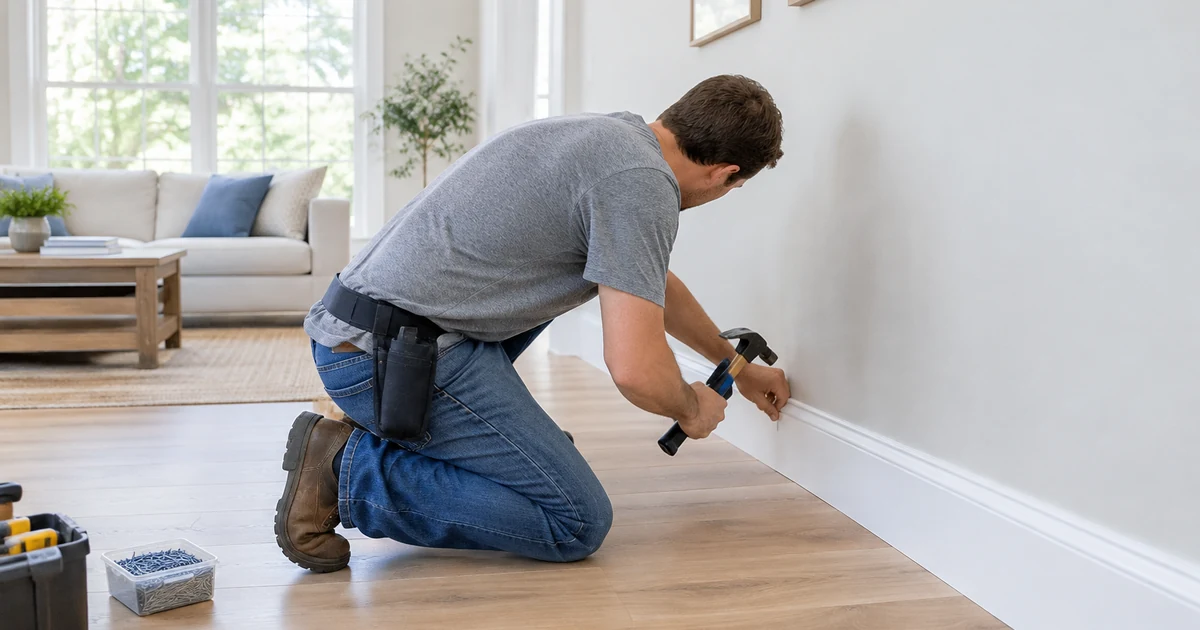
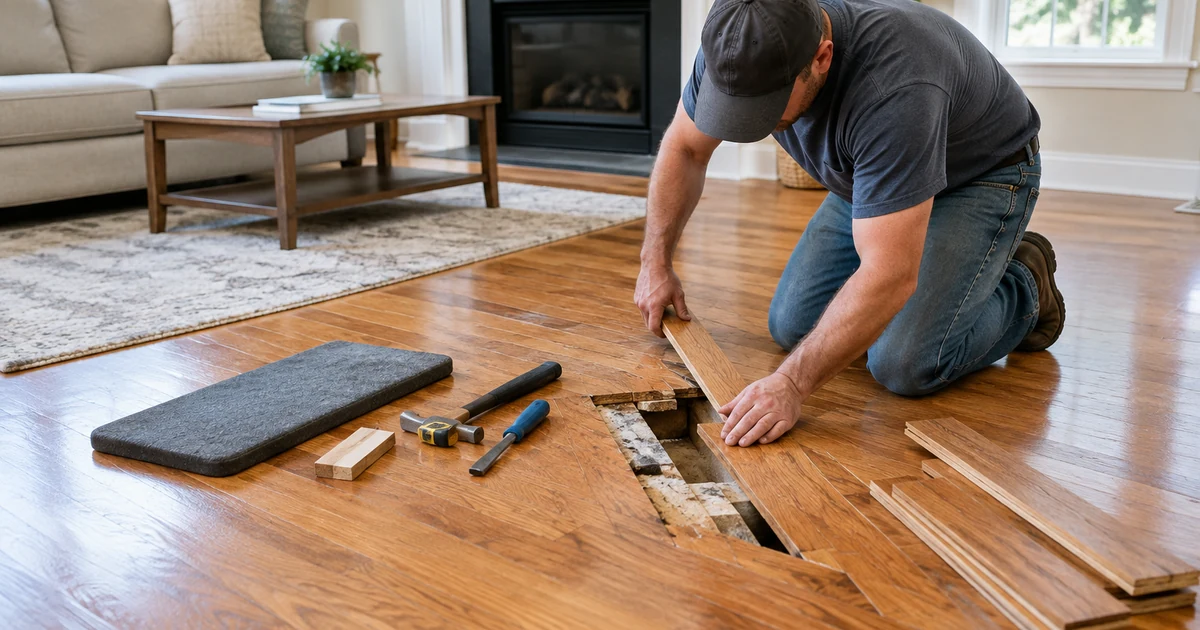
Board replacement is the most common paid repair and the one most people mean when they search for the cost to repair a wood floor. A pro cuts out the damaged boards, slides in new tongue-and-groove pieces, and then sands and finishes the patch so it blends with the rest of the room. Fixr pegs that work at about $100 to $350 per board, while Angi data puts a typical floorboard replacement job at $800 to $2,000 once refinishing the area is included.
Water damage spans the widest range because the visible boards are only part of the job. Wet hardwood often has wet subflooring underneath, and if moisture sat for days, mold removal may be needed as well. When the source was a burst pipe or appliance leak, start with a water damage restoration company to dry the structure before any boards are replaced.
Cost by wood species
Matching the existing wood matters as much as fixing the damage. Common species are easy to find, while discontinued widths, reclaimed lumber and exotic woods cost more and may need to be milled to fit.
| Wood species | Repair cost per sq ft |
|---|---|
| Red oak | $5–$11 |
| White oak | $5–$12 |
| Maple | $4–$15 |
| Hickory | $6–$14 |
| White ash | $6–$14 |
| Brazilian walnut | $9–$15 |
Cost Breakdown: Materials vs. Labor
Labor is usually the biggest part of a hardwood repair. Removing boards without damaging their neighbors, matching stain and blending the finish are skilled, slow tasks.
- Flooring contractor labor: $50–$100 per hour in most markets, with small jobs often billed at a flat $100–$250 minimum
- Replacement boards: roughly $4–$15 per sq ft depending on species and grade
- Stain, filler and finish: $10–$100 for spot repairs; more when a whole room is recoated
- Subfloor repair: $250–$1,200 per room when plywood or OSB is soft or delaminated
- Joist repair: $500–$2,000 per joist when framing is rotted or damaged
- Refinishing to blend the repair: $800–$1,600 per room, or about $2–$8 per sq ft
Angi reports total labor on hardwood repairs commonly falls between about $330 and $2,400. The finish step is where costs can jump: a single board can be spot-finished, but on a floor with years of wear, the new boards may look obviously brighter until the whole room is screened and recoated or fully refinished.
What a board replacement visit includes
Comparing quotes is easier when you know the steps a pro follows on a typical patch repair:
- Inspecting the area, checking moisture levels with a meter and probing for soft subfloor.
- Sourcing matching boards in the same species, width, thickness and grade, or pulling spares from a closet.
- Cutting out the damaged boards with a circular or oscillating saw set to the board depth, without nicking the neighbors.
- Repairing or replacing any damaged subfloor underneath.
- Fitting new boards, removing the bottom groove lip on the last piece so it drops in, then gluing and face-nailing it.
- Sanding the patch flush, color-matching the stain and applying finish coats to blend with the surrounding floor.
Low quotes sometimes skip the moisture check or the finish blending. Ask each contractor how they will match the existing color and sheen.
Pet damage
Claw scratches are usually confined to the finish and can be handled with a screen and recoat. Urine is a different problem: it soaks into the wood and leaves dark stains that sanding rarely removes, so affected boards generally need to be replaced. Older stains may also have reached the subfloor, which adds odor treatment or plywood replacement to the bill.
Other Factors That Affect the Price
Size of the damaged area
Repair pricing is partly per square foot, but small jobs carry minimum charges. Angi’s data shows roughly $100 to $500 for a 20-square-foot area and $1,000 to $5,000 for 200 square feet.
Solid vs. engineered hardwood
Solid hardwood can be sanded many times, which makes blending repairs easier. Engineered hardwood has a thin wear layer that can usually be sanded only once or twice, and click-lock engineered floors may need boards unzipped from the nearest wall to reach the damage.
Finish and stain matching
Older floors have aged and ambered, so new boards rarely match perfectly out of the box. Custom stain blending and multiple finish coats add time, and a floor with a factory aluminum-oxide finish is harder to touch up than a site-finished one.
Cause of the damage
Cupping, buckling and wide seasonal gaps are symptoms of moisture or humidity problems. Repairs don’t hold until the cause is fixed, which can mean a plumbing repair, a crawl space vapor barrier, a dehumidifier or better HVAC humidity control. Budget for that work separately.
Seasonal vs. permanent gaps
Thin gaps that open in winter and close in summer are normal wood movement and usually need nothing more than steady indoor humidity. Wide gaps that stay open year-round may be filled with wood strips or flexible filler, priced at about $7 to $15 per square foot. Rigid filler in a seasonal gap tends to crack and pop out, so ask which method the contractor plans to use.
Subfloor and joists
Squeaks, soft spots and sagging may come from loose subfloor, failed fasteners or damaged joists. Fixr estimates subfloor repairs at about $250 to $1,200 per room and joist repairs at $500 to $2,000 per joist, with severe sagging or leveling work running much higher.
Older homes and lead paint
Hardwood floors themselves are rarely painted, but sanding near painted baseboards, stairs or thresholds in a home built before 1978 can disturb lead-based paint. The EPA notes that sanding and cutting can create lead dust and recommends hiring a contractor certified in lead-safe work practices under its Renovation, Repair and Painting (RRP) program. Expect containment and cleanup to add to the cost.
Location and access
Labor rates are higher in large metro areas. Rooms full of furniture, stairs and floors in occupied homes that must be kept usable during the job can all add hours.
Before you hire: get at least three written, itemized quotes from licensed and insured local pros. Prices for the same job often differ by 30% or more, and comparing line items is the fastest way to spot padding or missing work.
Repair vs. Refinish vs. Replace
Choosing the right fix keeps you from overspending on a floor that only needs a targeted repair, or wasting money patching one that is past saving.
- Repair when damage is limited to a few boards or one area: scratches, a pet stain, a dent, a squeak or a small leak caught early. Most repairs land around $500 to $1,700.
- Refinish when the whole floor is dull, scratched or worn through the finish but the boards themselves are sound. A full sand and refinish typically costs about $2 to $8 per sq ft, while a lighter screen and recoat runs $1 to $3 per sq ft.
- Replace when damage is widespread: extensive water damage, rot, termite damage across large areas, boards sanded too thin, or many exposed nails. HomeGuide puts complete replacement at about $6 to $15 per sq ft; see our hardwood floor installation cost guide for full pricing.
A practical rule cited by Fixr: if a repair would cost more than about half the price of replacing the floor, replacement is usually the better value. If budget is tight, laminate flooring or luxury vinyl plank can replace a ruined section of hardwood for less, though they won’t match an adjoining wood floor.
Signs Your Hardwood Floor Needs Repair
- Cupping: board edges higher than the centers, usually from moisture below.
- Crowning: centers higher than the edges, often from sanding a cupped floor before it dried.
- Buckling: boards lifting off the subfloor, a sign of serious water exposure or missing expansion gaps.
- Soft or spongy spots: possible rot or subfloor failure.
- Dark stains or a musty smell: possible water damage or mold under the surface.
- Small holes, powdery dust or hollow-sounding boards: possible termites or wood-boring insects. Call a pest control company before repairing anything.
DIY vs. Hiring a Pro
Minor cosmetic work is within reach of most homeowners. Wood filler, stain markers and repair kits cost about $4 to $15 and handle light scratches and small dents. Some squeaks can also be fixed from below with screws or shims if the joists are exposed in a basement.
Board replacement is harder than it looks. Cutting out a tongue-and-groove board without damaging its neighbors, then sanding and finishing the patch to blend, takes the right tools and practice. Water, rot and termite damage call for a pro who can check the subfloor and joists. In a pre-1978 home, hire an RRP-certified contractor if the work will disturb painted surfaces.
How to Save Money on Hardwood Floor Repair
- Act quickly on water. Drying a floor within the first day or two can prevent cupping, mold and subfloor damage that multiply the cost.
- Use spare boards from the original installation to avoid buying and milling matched lumber.
- Bundle small repairs into one visit to avoid paying multiple minimum charges.
- Check your homeowners insurance if the damage came from a sudden event such as a burst pipe. Gradual leaks and wear generally aren’t covered.
- Control humidity year-round, ideally in the range your flooring manufacturer recommends, to prevent future gaps and cupping.
- Protect the floor with felt pads, entry mats and trimmed pet nails to reduce scratches and dents.
- Get at least three quotes and ask whether each includes subfloor inspection and finish blending.
Frequently Asked Questions
How much does it cost to replace a few hardwood floor boards?
Replacing damaged hardwood boards typically costs about $100 to $350 per board. A small patch of several boards, including blending the finish, usually runs $550 to $1,550, and more if the room needs refinishing to match.
How much does it cost to repair a water-damaged hardwood floor?
Water-damaged hardwood repairs commonly run $8 to $100 per square foot, or roughly $1,000 to $5,000 for a typical area. The total depends on whether the subfloor got wet, whether mold developed and how many boards must be replaced.
Can cupped hardwood floors be fixed?
Often, yes. Once the moisture source is fixed and the floor dries out, mild cupping may flatten on its own or be sanded flat and refinished for about $2 to $8 per square foot. Severely cupped or buckled boards usually need replacement.
Is it cheaper to repair or replace hardwood floors?
Repairing a limited area is almost always cheaper. Replacement makes sense when damage is widespread, the boards have been sanded too thin, or the repair would cost more than about half of a new floor, which runs roughly $6 to $15 per square foot.
Does homeowners insurance cover hardwood floor repair?
Policies often cover sudden, accidental damage such as a burst pipe, subject to your deductible. Gradual leaks, wear, pet damage and termite damage are generally excluded, so check your policy.
How much does it cost to fix squeaky hardwood floors?
Fixing squeaks typically costs $200 to $1,000 per room, depending on whether the pro can work from an open basement below or has to work through the finished floor from above.