Water Damage Restoration Cost by Water Category
Restoration companies classify water by how contaminated it is, using the three IICRC categories that are standard across the restoration industry. The category sets the cleaning method, the protective gear crews need and how much wet material must be thrown out, so it is the single biggest driver of the per-square-foot price.
| Water category | Typical sources | Cost per sq ft (extraction & drying) | What changes |
|---|---|---|---|
| Category 1: Clean water | Burst supply line, overflowing sink, rainwater | $3.50–$6 | Many materials can be dried in place |
| Category 2: Gray water | Washing machine or dishwasher overflow, sump pump failure | $5–$9 | Antimicrobial treatment, more removal of porous materials |
| Category 3: Black water | Sewage backup, toilet overflow with waste, outside floodwater | $7.50–$12 | Protective gear, porous materials usually discarded |
Clean water doesn’t stay clean. Water that sits for a couple of days, or travels through dirty materials, can degrade to Category 2 or 3. That’s one reason the bill for a small leak found late can exceed the bill for a larger leak caught the same day.
National averages for a full residential water damage job land around $3,500 to $3,900, and most homeowners pay roughly $1,300 to $6,400. Small clean-water jobs can be a few hundred dollars, while major flooding or sewage damage throughout a home can reach $15,000 to $100,000.
Cost by damage class
Restorers also rate jobs by class, which describes how much area and material got wet and how hard it is to dry. Published ranges vary between sources, so treat these as rough bands:
| Class | Extent of damage | Typical cost |
|---|---|---|
| Class 1 | Part of one room, little absorbed by materials | $150–$500 |
| Class 2 | Whole room; carpet and lower walls wet | $500–$5,000 |
| Class 3 | Water from above; ceilings, walls, insulation and floors soaked | $1,000–$15,000 |
| Class 4 | Deep saturation of hardwood, plaster, concrete or stone | $15,000–$100,000 |
Cost by area of the home
| Area or repair | Typical cost |
|---|---|
| Basement | $500–$2,800+ |
| Ceiling | $350–$1,600 |
| Drywall | $300–$850 |
| Flooring | $200–$3,000 |
| Bathroom | Up to about $3,000 |
| Plumbing repair (source of the leak) | $350–$4,000 |
A basement with an inch of clean water is usually at the low end; two feet of sewage-contaminated water is a very different job. If your basement floods repeatedly, compare the restoration bill with the cost of sump pump installation or basement waterproofing.
Example restoration costs
These worked examples use the per-square-foot ranges above plus typical repair costs. They are estimates to help you sanity-check a quote, not prices any company has to match.
| Scenario | Area | Category | Estimated total |
|---|---|---|---|
| Burst pipe under a kitchen sink, caught the same day | 150 sq ft | 1 | $525–$900 drying, plus cabinet repairs if needed |
| Water heater leak in a finished basement, drywall cut out | 500 sq ft | 1 | $2,250–$5,000 |
| Washing machine overflow into hallway and carpeted bedroom | 400 sq ft | 2 | $3,100–$7,600 with carpet replacement |
| Sewer backup in a basement | 600 sq ft | 3 | $4,400–$7,600 for cleanup and drying, before reconstruction |
The same square footage can more than double in price as water moves from Category 1 to Category 3, which is why the water source is the first thing a restorer asks about.
Cost Breakdown: Materials vs. Labor
A restoration invoice usually has two phases: mitigation (stopping the damage and drying the structure) and reconstruction (rebuilding what had to be removed). Some companies do both; others hand reconstruction to a general contractor.
- Emergency response fee: $50–$200 for after-hours or same-day dispatch
- Water extraction and drying: about $3.50–$12 per sq ft depending on category
- Drying equipment: commercial dehumidifiers often run about $25–$60 per day each and air movers about $15–$35 per day; drying a standard job often takes about a week, and extensive damage can take two to three weeks
- Antimicrobial treatment and cleaning: included in Category 2 and 3 pricing
- Drywall replacement: $1.50–$3.50 per sq ft
- Carpet replacement: $2–$8 per sq ft; hardwood $7–$25 per sq ft
- Labor: restoration technicians and trades bill roughly $70–$200 per hour
Equipment and labor dominate the mitigation phase. Materials take over in reconstruction, especially if flooring or cabinets must be replaced.
What happens during professional restoration
- Inspection and moisture mapping to find every wet area, including inside walls and under floors.
- Stopping the source and pumping or vacuuming standing water.
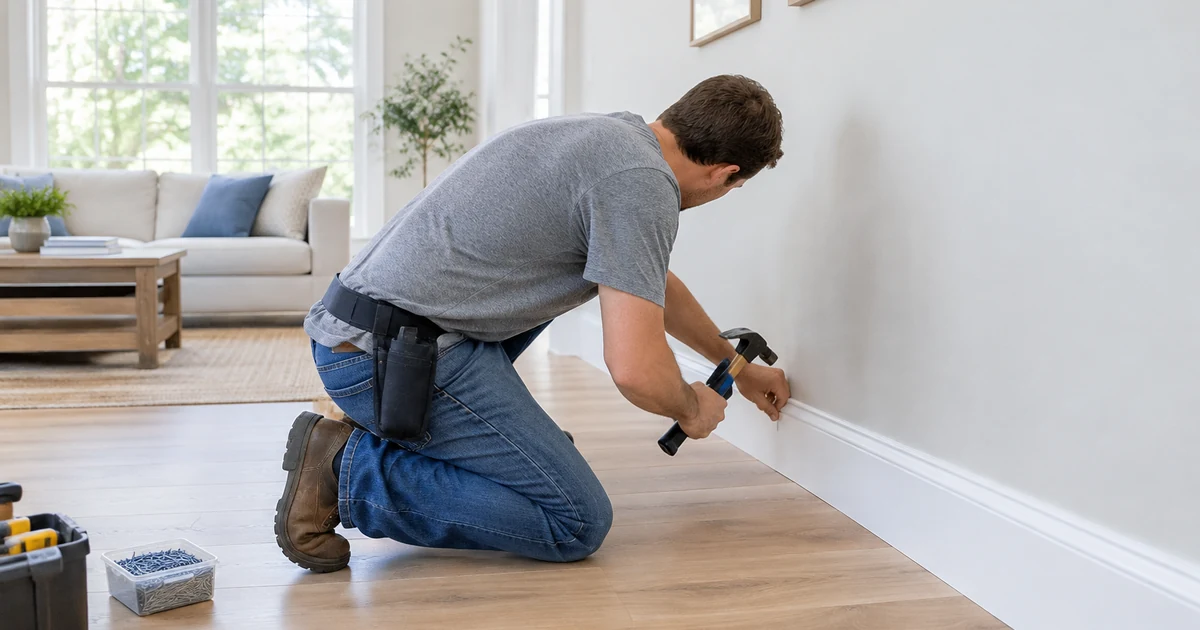
- Removing materials that can’t be saved, such as soaked carpet pad, baseboards and the lower section of drywall.
- Cleaning and applying antimicrobial treatment where needed.
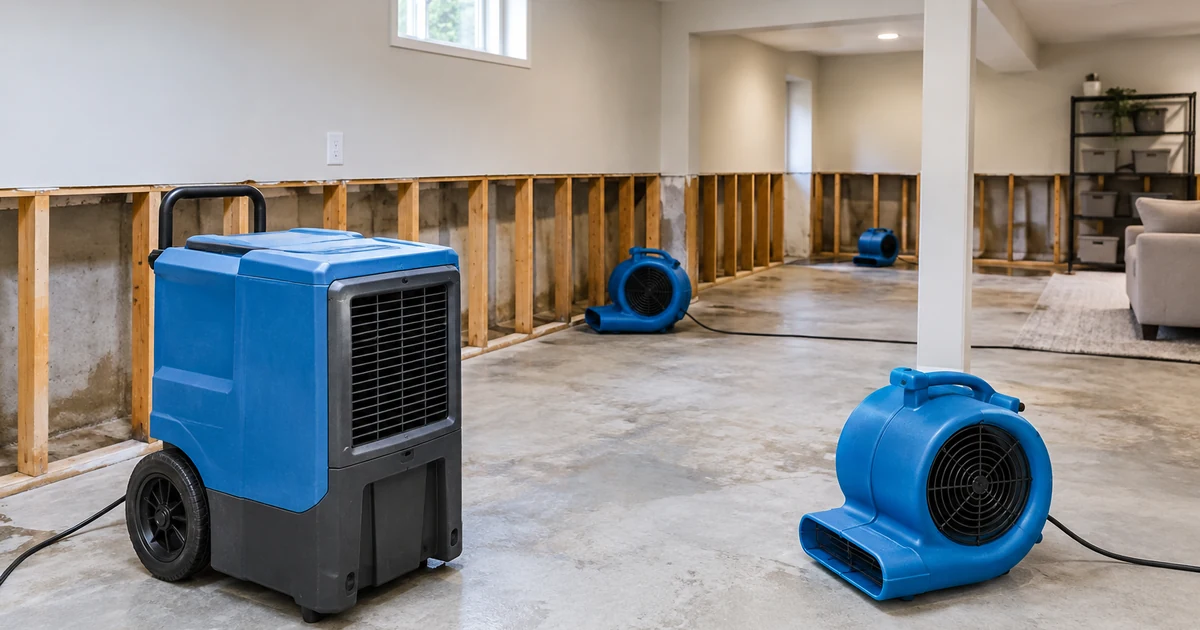
- Setting dehumidifiers and air movers, then taking daily moisture readings until materials reach dry standard.
- Reconstruction: new drywall, paint, flooring and trim.
Daily moisture readings and photos are also the documentation your insurer will ask for, so make sure the company provides them.
Other Factors That Affect the Price
Size of the affected area
Most of the mitigation cost scales with square footage. A 100 sq ft laundry room is a short job; a finished basement of 1,000 sq ft or more needs many more machines and more labor days.
Time before cleanup starts
The EPA advises drying water-damaged areas and items within 24 to 48 hours to prevent mold growth. Delays let water wick higher into walls, soak more material and allow contamination to worsen, all of which add cost.
Mold
If mold has started to grow, remediation is a separate line item, commonly $1,100 to $3,800 for a typical job and more for large or hidden growth. Our mold removal cost guide covers that work in detail.
Building materials
Concrete and tile dry relatively easily. Hardwood floors, plaster walls and finished basements take longer and are more likely to need replacement, which pushes costs up quickly.
Where the water came from
Water from above, such as a roof leak or upstairs bathroom, usually wets ceilings, insulation and walls on its way down. That means more demolition and drying than a floor-level leak of the same volume.
Electrical and structural damage
Water that reaches wiring, outlets or the panel requires an electrician’s inspection, often $1,200 to $3,000 when repairs are needed. Structural repairs to subfloors or framing can add $1,500 to $10,000.
Region and demand
Prices vary by metro area, and they climb after storms or widespread freezes when every crew in town is busy.
Before you hire: get at least three written, itemized quotes from licensed and insured local pros. Prices for the same job often differ by 30% or more, and comparing line items is the fastest way to spot padding or missing work.
Signs of Hidden Water Damage
Not every leak announces itself with standing water. Slow leaks behind walls, under floors and above ceilings can go unnoticed for weeks, and by then the damage, and the bill, is larger. Watch for:
- Stains or discoloration on ceilings and walls, especially yellowish rings below bathrooms.
- Bubbling or peeling paint and soft, swollen drywall or baseboards.
- Warped, cupped or buckling floors, or tiles that have loosened.
- A musty smell that lingers in one room or the basement.
- A water bill that jumps without any change in household use.
If you notice any of these, a restoration company or plumber can use moisture meters and thermal imaging to locate the wet area before opening walls.
Mold Risk and Health Safety
The EPA notes that if water or mold damage was caused by sewage or other contaminated water, you should call in a professional experienced in cleaning buildings damaged by contaminated water. It also advises against running an HVAC system you know or suspect is contaminated with mold, since that can spread spores through the house.
For small clean-water spills caught right away, homeowners can often mop up and run fans. For anything involving gray or black water, wet drywall or insulation, water near electrical outlets, or a smell of mustiness that wasn’t there before, hire a certified restoration company. If anyone in the home has health concerns, the EPA recommends consulting a health professional before cleanup begins.
Does Insurance Cover Water Damage Restoration?
This is general information, not legal or insurance advice; your policy wording decides what’s covered. Standard homeowners policies generally cover water damage that is sudden and accidental, such as a burst pipe, an appliance supply line that fails, or storm damage to the roof that lets rain inside.
Standard policies generally exclude:
- Flooding from rising surface water, storm surge or overflowing rivers. This requires separate flood insurance, through the National Flood Insurance Program or a private insurer.
- Gradual leaks and damage from lack of maintenance.
- Sewer and drain backups, unless you added a water backup endorsement.
- Groundwater seepage through the foundation.
Even when a claim is covered, you pay your deductible, and the cost of repairing the source itself, such as replacing a worn-out water heater, is often not included. Call your insurer early, ask whether they require approval before work starts, and keep every invoice and moisture log.
How to Save Money on Water Damage Restoration
- Act within hours. Shut off the water and call a restoration company right away. Fast drying is the biggest money saver.
- Check your policy first. Know your deductible and whether your insurer has preferred vendors or requires pre-approval.
- Ask for an itemized estimate showing equipment days, square footage and materials removed.
- Get separate quotes for reconstruction. Once the structure is dry, rebuilding is ordinary contractor work you can bid out.
- Save what you can. Move furniture, rugs and boxes out of wet areas quickly to limit contents losses.
- Prevent the next one. Water leak sensors, automatic shutoff valves and a backup sump pump cost far less than another claim.
- Fix the source properly. A licensed plumber can repair the leak so it doesn’t recur; see our plumber cost per hour guide.
If the cleanup leaves walls opened up, our guide to drywall repair cost explains what patching and replacement typically run.
Frequently Asked Questions
How much does water damage restoration cost per square foot?
Extraction, drying and cleaning typically cost about $3.50 to $6 per square foot for clean water, $5 to $9 for gray water and $7.50 to $12 for black water. Repairs such as new drywall or flooring are added on top.
How long does water damage restoration take?
Drying a standard job often takes about 7 to 10 days, and extensive damage can take two to three weeks. Reconstruction adds more time once materials test dry.
Does homeowners insurance pay for water damage restoration?
Standard policies generally cover sudden and accidental water damage, such as a burst pipe, minus your deductible. Floods, gradual leaks and sewer backups are typically excluded unless you have flood insurance or a water backup endorsement. Check your own policy with your insurer.
How quickly can mold grow after water damage?
The EPA advises drying water-damaged areas and items within 24 to 48 hours to prevent mold growth. Waiting longer raises the chance that mold remediation will be added to the bill.
What is Category 3 water damage?
Category 3, or black water, is grossly contaminated water such as sewage or outside floodwater. It requires professional cleanup with protective equipment, and porous materials like carpet and drywall that it touches are usually removed and discarded.
Can I dry out water damage myself?
A small clean-water spill caught right away can often be handled with towels, a wet vac and fans. Anything involving sewage, wet walls or insulation, or water near electrical components should be handled by a certified restoration professional.
- HomeGuide — Water damage restoration cost
- Angi — How much does water damage restoration cost
- Bob Vila — Water damage restoration cost
- EPA — A brief guide to mold, moisture and your home
- Forbes Advisor — Does homeowners insurance cover water damage
- RepairingWaterDamage.com — Cost to dry out a house after flooding