Bathroom Remodel Cost by Size and Remodel Level
Two things set the budget for almost every bathroom remodel: how big the room is and how far you go. We group projects into three levels that match how contractors and national cost guides describe them:
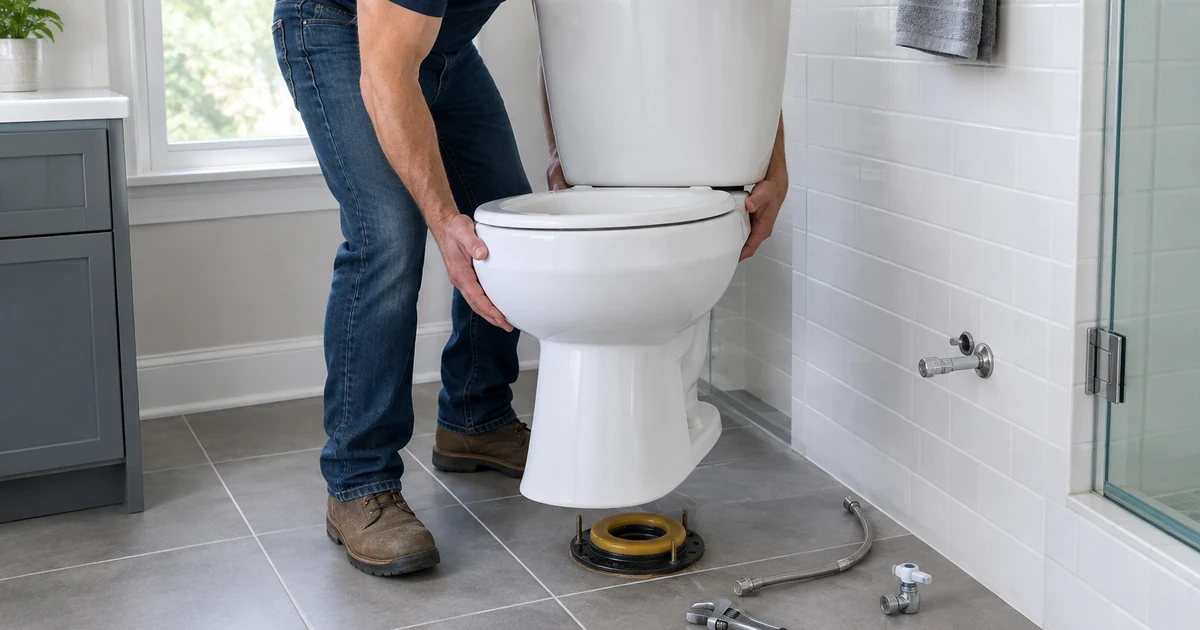
- Cosmetic refresh: paint, new vanity top or faucet, new toilet, light fixtures, mirror, and possibly new flooring. The layout, tub, and shower stay put.
- Mid-range remodel: most of the room is replaced, including vanity, toilet, tub or shower, tile, flooring, lighting, and fan, with plumbing fixtures staying roughly where they are.
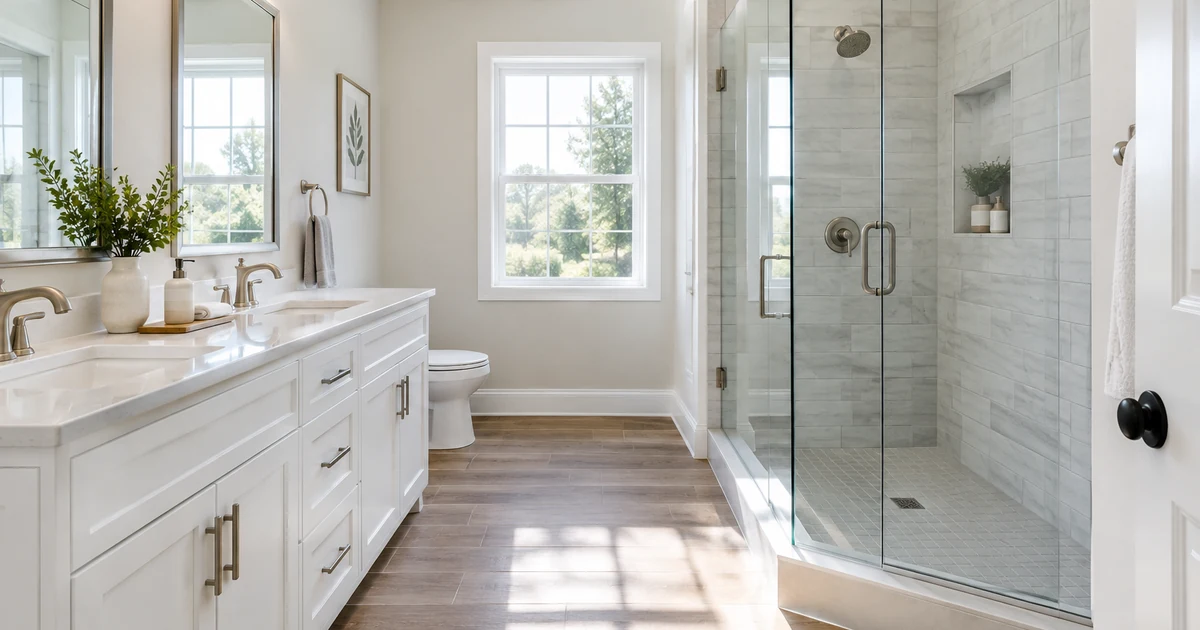
- Upscale remodel: a full gut with custom tile work, frameless glass, a freestanding tub or large walk-in shower, custom cabinetry, stone counters, and often layout changes and luxury features.
| Bathroom | Size | Cosmetic | Mid-range | Upscale |
|---|---|---|---|---|
| Half bath / powder room | 20 sq ft | $2,200–$4,700 | $4,800–$10,500 | $9,600–$21,000 |
| Small full bath (5×8) | 40 sq ft | $3,400–$7,400 | $7,600–$16,500 | $15,200–$33,000 |
| Standard full bath (5×10) | 50 sq ft | $4,000–$8,800 | $9,000–$19,500 | $18,000–$39,000 |
| Large full / guest bath | 80 sq ft | $5,900–$12,800 | $13,200–$28,500 | $26,400–$57,000 |
| Primary bathroom | 120 sq ft | $8,500–$18,200 | $18,800–$40,500 | $37,600–$81,000 |
These ranges are what the calculator above produces for each size, before optional extras like moving plumbing or adding heated floors. They line up with the major national cost guides: Angi reports an average of about $12,000 and This Old House about $15,600, while HomeGuide puts a typical full remodel of a 5×10 bathroom at roughly $12,500 to $25,000.
For a standard 40 to 60 sq ft bathroom, most homeowners pay $6,000 to $30,000, and a mid-range remodel of a 50 sq ft bath typically lands around $14,000.
Bathroom remodel cost per square foot
Per-square-foot numbers are useful for a quick sanity check, but they behave differently in bathrooms than in most rooms. Every bathroom needs a toilet, a sink, a tub or shower, plumbing, and ventilation no matter how small it is, so small bathrooms cost more per square foot than large ones. For a typical 40 to 60 sq ft bathroom:
| Remodel level | Per sq ft (small bath) | Per sq ft (large bath, 100+ sq ft) |
|---|---|---|
| Cosmetic refresh | $80–$175 | $70–$150 |
| Mid-range | $175–$400 | $155–$340 |
| Upscale | $350–$780 | $300–$680 |
If a contractor quotes you a per-square-foot price, ask what it includes. Some quote only labor and basic materials, while others roll in fixtures, tile, and permits.
What the Cost vs. Value report says
The Remodeling Cost vs. Value report, published by the Journal of Light Construction, prices a fully contractor-managed bathroom remodel at the high end of the market. Its 2025 national averages were about $26,100 for a midrange bath remodel (with about 80% of the cost recouped at resale) and about $81,600 for an upscale remodel (about 42% recouped). Those figures are higher than survey-based averages because they assume every item in the room is replaced by professionals. Treat them as the realistic cost of a full-scope project managed by a general contractor.
Cost Breakdown: Materials vs. Labor
Labor typically makes up 40% to 65% of a bathroom remodel budget, and general contractors add about 10% to 20% for managing the job. Tile setting, plumbing, and electrical work are the biggest labor items. Here are typical installed costs for the main components:
| Component | Typical installed cost | Notes |
|---|---|---|
| Demolition and disposal | $600–$2,300 | More if tile is set in a mortar bed or walls are plaster |
| Vanity / cabinetry | $400–$4,000 | Stock vs. semi-custom vs. custom |
| Countertop | $250–$3,000 | Cultured marble to quartz or natural stone |
| Toilet | $350–$800 | Installed; wall-hung or smart toilets cost more |
| Faucets | $150–$600 | Per fixture |
| Bathtub | $800–$4,600 | Alcove tubs at the low end, freestanding at the high end |
| Shower | $1,000–$15,000 | Prefab kit vs. custom tile with glass enclosure |
| Tile work | $400–$8,000 | Floor only vs. full-height walls and shower |
| Flooring (non-tile) | $200–$800 | Vinyl plank or sheet vinyl in a small bath |
| Permits | $100–$1,000 | Needed for most plumbing and electrical changes |
Hourly rates for the trades involved typically run about $75 to $150 for plumbers, $50 to $130 for electricians, and $50 to $150 for general contractors, with higher rates in large metro areas.
Using the Bathroom Remodel Cost Calculator
The bathroom remodel cost calculator at the top of this page estimates a realistic installed range for your project. It works like this:
- Enter the floor area of the bathroom in square feet (length times width). A standard 5×8 bath is 40 sq ft and a 5×10 is 50 sq ft.
- Pick the remodel level. Cosmetic keeps the tub, shower, and layout. Mid-range replaces most fixtures and finishes. Upscale is a full gut with premium materials.
- Add extras if they apply: moving plumbing to change the layout, or adding radiant floor heat.
- Choose your region to adjust for local labor rates.
The estimate includes a fixed amount for the items every bathroom needs (demolition, fixtures, plumbing and electrical hookups, permits) plus a per-square-foot amount for tile, flooring, drywall, and finishes. Use it to set a budget before you call contractors, then compare their itemized bids against it.
Other Factors That Affect Bathroom Remodel Cost
Moving plumbing and changing the layout
Keeping the toilet, sink, and shower in their current spots is the single best way to control costs. Relocating a toilet or turning a tub alcove into a larger shower means opening floors and walls, rerouting drain and vent lines, and often more permits and inspections. Plumbing is one of the largest line items in a full remodel, and major rough-in changes can run into the thousands on their own.
Tub-to-shower conversions
Swapping a tub for a walk-in shower is one of the most popular upgrades. Costs range from about $1,000 for a simple prefab shower kit to $15,000 or more for a custom tiled shower with a curbless entry and frameless glass.
Hidden damage
Bathrooms are wet rooms, and demolition often reveals rotted subfloor, moldy drywall, or leaking supply lines. In a This Old House survey, about one in three homeowners ran into unexpected expenses, such as water damage or structural repairs. A contingency of 10% to 20% is a sensible buffer.
Electrical and ventilation
Remodels usually trigger code requirements for GFCI-protected outlets and a properly vented exhaust fan. Adding heated floors, towel warmers, better lighting, or a heated toilet seat may require new circuits. In older homes, that can mean an electrical panel upgrade if the existing panel is full.
Hot water supply
A larger soaking tub or a multi-head shower can outrun a small water heater. If you’re upgrading the bathroom, it may be the right time to look at water heater replacement or a tankless water heater so the new shower actually stays hot.
Walls and ceilings
If demolition goes down to the studs, you’ll pay for new cement board in wet areas and moisture-resistant drywall installation elsewhere. Older homes with plaster walls take longer to demolish and patch.
Accessibility features
Grab bars cost roughly $100 to $350 each installed, and they’re far easier to add when walls are open and blocking can be installed. Curbless showers, wider doorways, and comfort-height toilets add cost but make the bathroom usable for longer.
Location and timing
Labor rates differ widely between regions and even between neighboring cities. Busy seasons and tight contractor schedules also push up quotes. Most remodels take about 3 to 8 weeks, and complex projects can take longer.
Before you hire: get at least three written, itemized quotes from licensed and insured local pros. Prices for the same job often differ by 30% or more, and comparing line items is the fastest way to spot padding or missing work.
Signs It’s Time to Remodel Your Bathroom
Not every dated bathroom needs a full remodel. These signs suggest the problem goes deeper than looks, and that a cosmetic refresh won’t be enough:
- Soft or spongy floors near the toilet or tub, which often point to a long-term leak and rotting subfloor.
- Cracked or loose tile and failing grout in the shower, letting water get behind the walls.
- Persistent mold or mildew that comes back after cleaning, often a sign of poor ventilation or hidden moisture.
- Stains on the ceiling below the bathroom, a red flag for a leaking drain, supply line, or shower pan.
- Old plumbing such as galvanized supply pipes, or low water pressure that other fixes haven’t solved.
- A layout that no longer works, such as a tub nobody uses, no storage, or a bathroom that is hard to use safely as you age.
Bathroom Remodel Timeline: What to Expect
Knowing the order of work helps you understand quotes and plan around losing a bathroom for several weeks.
- Design and selections (1–4 weeks): finalize the layout, pick fixtures and tile, and order anything with a long lead time before demolition starts.
- Permits (a few days to several weeks): depends on your jurisdiction and the scope of plumbing and electrical work.
- Demolition (1–3 days): tear-out down to the studs or subfloor, followed by repairs to any rot or damage uncovered.
- Rough-in plumbing and electrical (2–5 days): new lines, drains, circuits, and fan ducting, followed by rough-in inspections where required.
- Walls, waterproofing, and tile (1–2 weeks): cement board and drywall, shower waterproofing, then floor and wall tile, grout, and sealing.
- Fixtures and finishes (3–7 days): vanity, countertop, toilet, faucets, glass, lighting, paint, and accessories, then final inspection.
Delays usually come from back-ordered materials, custom glass that is measured only after tile is done, and failed inspections. Having everything on site before demolition is the best way to keep a mid-range project within about 3 to 8 weeks.
DIY vs. Hiring a Pro
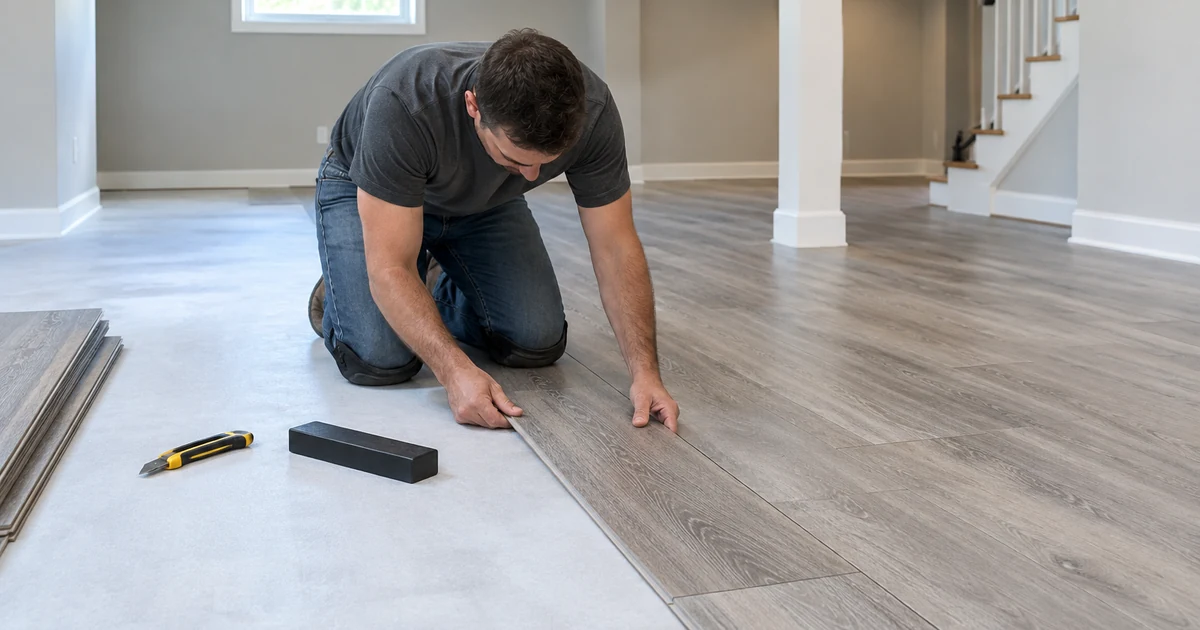
A cosmetic refresh is one of the most DIY-friendly remodels. Painting, swapping a vanity, replacing a faucet or light fixture, installing a new toilet, and laying vinyl plank flooring are all reasonable weekend projects for a handy homeowner, and they can save a large share of the labor cost.
Mid-range and upscale remodels are a different story:
- Waterproofing: shower pans and wall membranes must be done right. Mistakes don’t show up until water has damaged the subfloor or the ceiling below.
- Plumbing and electrical: most jurisdictions require permits and inspections for moving plumbing and adding circuits, and some require licensed trades to do the work.
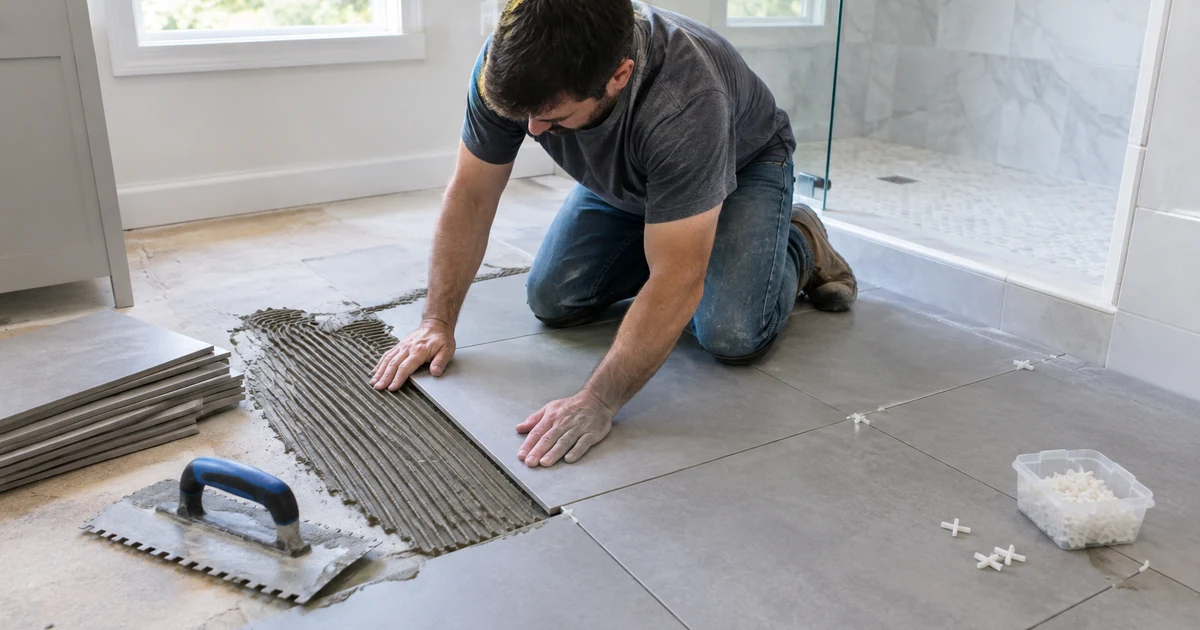
- Tile: setting tile is learnable, but large-format tile and shower walls are hard to get flat and level without experience.
- Resale: unpermitted work can cause problems when you sell and may complicate insurance claims.
A common middle ground is acting as your own demolition crew and painter, and hiring pros for plumbing, electrical, waterproofing, and tile.
How to Save Money on a Bathroom Remodel
- Keep the layout. Leaving the toilet, sink, and shower where they are avoids the most expensive plumbing work.
- Refinish instead of replacing. Tub and tile refinishing or reglazing can refresh an old tub for a fraction of the cost of replacement.
- Choose stock over custom. Stock vanities and prefab shower bases or surrounds cost much less than custom pieces and install faster.
- Mix splurges and savings. Spend on the items you touch every day (faucets, showerhead, vanity) and save on field tile and accessories.
- Look for water-saving rebates. Some local water utilities offer rebates on WaterSense-labeled toilets and fixtures; check your utility’s website before you buy.
- Buy fixtures yourself if your contractor allows it, and watch for sales, but agree up front on who warranties the installation.
- Get three itemized bids with the same scope, so you can compare line by line instead of just totals.
Frequently Asked Questions
How much does it cost to remodel a small bathroom?
A small 40 sq ft bathroom typically costs about $3,400 to $7,400 for a cosmetic refresh and $7,600 to $16,500 for a mid-range remodel. A full upscale gut of the same room can reach $30,000 or more.
What is a realistic budget for a bathroom remodel?
For a standard full bathroom, $10,000 to $20,000 covers most mid-range remodels. Budget a 10% to 20% contingency on top, since hidden water damage and code upgrades are common in bathrooms.
What is the most expensive part of a bathroom remodel?
Labor is usually the biggest share, often 40% to 65% of the total. Among individual items, custom tiled showers, plumbing relocation, and custom vanities tend to cost the most.
How long does a bathroom remodel take?
Most bathroom remodels take about 3 to 8 weeks from demolition to completion. Custom tile, special-order fixtures, layout changes, and permit inspections can stretch that to 6 to 12 weeks or more.
Does a bathroom remodel add value to a home?
It can. The 2025 Cost vs. Value report estimated that a midrange bathroom remodel recoups about 80% of its cost at resale, while an upscale remodel recoups about 42%. Local market conditions matter a lot.
Can I remodel a bathroom for $5,000?
Yes, if you keep the layout and focus on cosmetic updates such as paint, a new vanity and faucet, a new toilet, lighting, and vinyl flooring. Doing some of the work yourself stretches the budget further.
How accurate is a bathroom remodel cost calculator?
A calculator gives a realistic budget range based on national averages, size, and remodel level. Actual bids depend on your local labor rates, the specific products you choose, and what’s found behind the walls, so use it to plan, then get itemized quotes.