Pressure Washing Cost by Surface
What you’re cleaning sets the price more than anything else. Siding needs a soft, low-pressure wash with detergent and careful rinsing around windows; a driveway takes high pressure and a surface cleaner; a wood deck needs a gentle touch so the fibers don’t splinter. These are typical prices for a single residential job:
| Surface | Typical cost | Per sq ft | Notes |
|---|---|---|---|
| House siding, one story | $170 – $470 | $0.15 – $0.50 | Most common residential job |
| House siding, two stories | $350 – $900 | $0.20 – $0.50 | Extension wands or soft-wash system |
| House siding, three stories | $700 – $1,800 | $0.25 – $0.55 | Lifts or roof access may be needed |
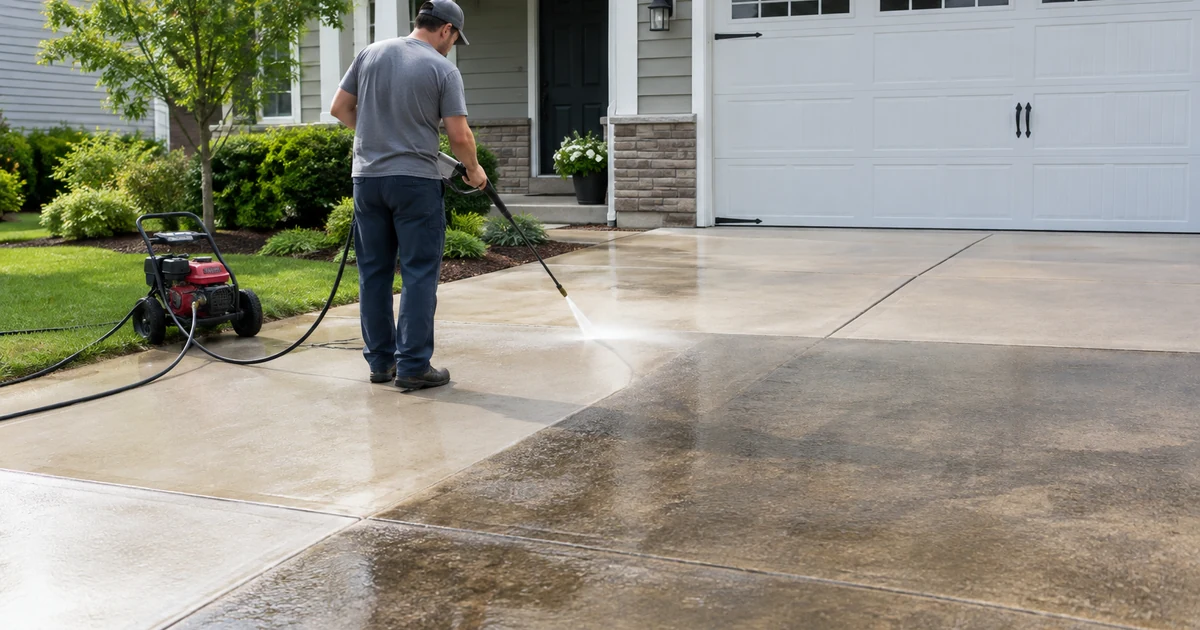
| Driveway (two-car) | $100 – $250 | $0.08 – $0.35 | Sidewalks often add $50 – $100 |
| Deck or patio | $100 – $250 | $0.25 – $0.50 | Wood decks need lower pressure |
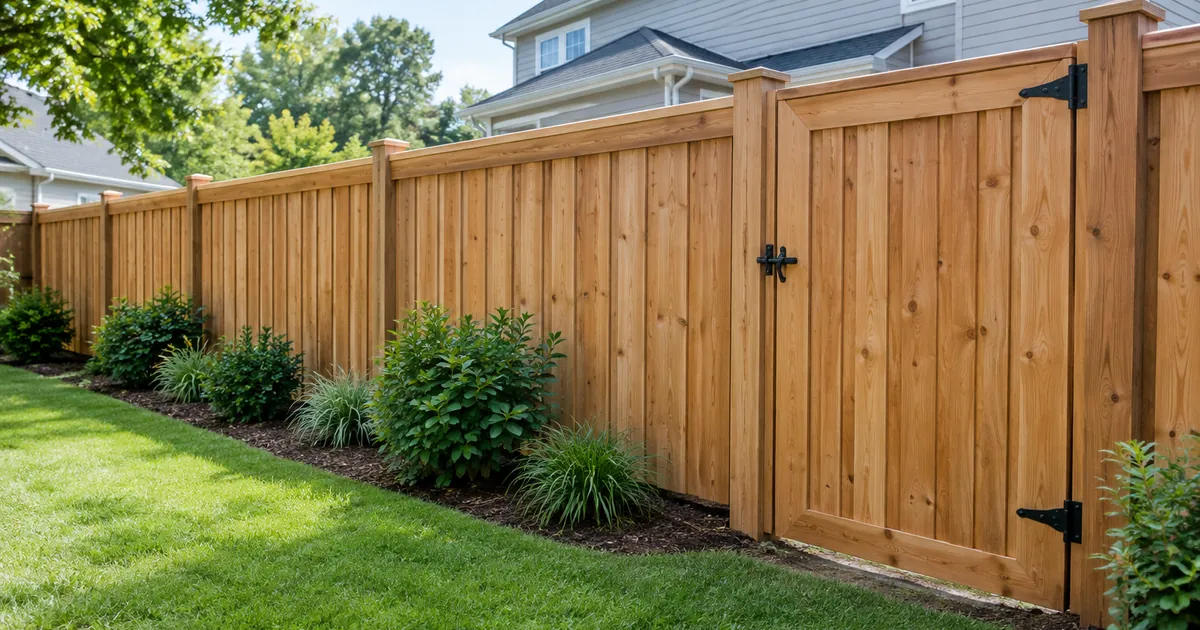
| Fence | $150 – $300 | varies | Priced by length and height |
| Gutter exteriors | $50 – $150 | $0.50 – $1.50 per linear ft | Removes black streaks (“tiger stripes”) |
| Roof (soft wash) | $450 – $700 | $0.50 – $1.00 | Low-pressure chemical wash only |
National cost guides put the average single pressure washing job somewhere between about $210 and $310. Whole-exterior packages that combine the house, driveway, walkways, and deck commonly run $500 to $1,200, and many companies discount these bundles compared with booking each surface separately.
Cost by siding material
Different siding needs different pressure and cleaning solutions, which shows up in the price per square foot:
| Siding | Per sq ft | Method |
|---|---|---|
| Vinyl | $0.20 – $0.50 | Soft wash; high pressure can force water behind panels |
| Brick | $0.10 – $0.40 | Moderate pressure; avoid blasting old mortar |
| Stucco | $0.30 – $0.50 | Soft wash only; stucco chips and absorbs water |
| Wood | $0.30 – $0.55 | Low pressure and a wide fan tip |
Driveway and concrete cleaning by size
Flat concrete is the fastest surface to clean, so driveway pricing tracks area closely until you hit the company’s minimum. Using the typical $0.10 to $0.35 per sq ft range:
| Driveway | Approx. area | Typical cost |
|---|---|---|
| One-car | 250 – 350 sq ft | $100 – $150 (minimum charge often applies) |
| Two-car | 500 – 700 sq ft | $100 – $250 |
| Three-car or long drive | 900 – 1,200 sq ft | $150 – $400 |
| Add sidewalks and front walk | 100 – 300 sq ft | +$50 – $100 |
Oil spots, rust from fertilizer, and tire marks need a degreaser or specialty cleaner and aren’t always fully removable. Old, porous concrete may look blotchy after cleaning; a penetrating sealer afterward helps it resist new stains. If your driveway is cracked and heaved rather than just dirty, cleaning won’t help much, and our concrete driveway cost guide covers replacement.
Cost Breakdown: Materials vs. Labor
Pressure washing is mostly labor and equipment time. Companies charge either per square foot or per hour, and many set a minimum trip charge so small jobs remain worth the drive.
| Item | Typical cost |
|---|---|
| Crew labor | $50 – $100 per hour per worker |
| Company hourly rate (crew and equipment) | $130 – $160 per hour typical, up to $200 |
| Detergents, mildewcide, degreaser | $15 – $60 per job, usually included |
| Minimum charge | many companies start around $100 |
| Concrete cleaning, basic | $0.08 – $0.20 per sq ft |
| Concrete cleaning with detergent or stain treatment | $0.25 – $0.35 per sq ft |
A standard quote should include pretreating mildew and algae, washing at the right pressure for each surface, rinsing windows and landscaping, and a final walk-through. Stain removal, sealing, gutter brightening, and moving heavy furniture are common extras, so ask which items are in the base price.
Commercial-grade pressure washers, hot-water units, and surface cleaners are expensive to own and maintain, which is part of why pros cost more per hour than general handyman labor.
Other Factors That Affect the Price
Size of the area
Per-square-foot rates drop as jobs get bigger, because setup and travel are spread over more surface. A 400 sq ft patio may cost nearly as much as a 700 sq ft driveway once the minimum charge applies.
Height and access
A second or third story means longer hoses, extension wands, or a soft-wash system that sprays detergent from the ground. Steep yards, dense landscaping, and tight side yards between houses also slow the crew down.
How dirty the surface is
Light pollen and dust come off fast. Thick mildew, algae on shaded walls, oil stains on concrete, rust, or gum on walkways need pretreatment and dwell time, and stain removal is usually priced as an extra.
Soft washing vs. pressure washing
Soft washing uses low pressure and cleaning solutions to kill mold and algae rather than blasting them off. It’s the right method for roofs, stucco, painted wood, and most vinyl siding, and it can cost a bit more because of the chemicals involved.
Sealing and staining
Washing a deck or paver patio is often the first step before sealing. Combined wash-and-seal or wash-and-stain jobs typically run $0.50 to $1.50 per sq ft for decks. For a new deck instead of restoring an old one, see our deck cost guide.
Location and water access
Rates follow local labor costs; national cost data shows averages ranging from under $200 in some Sun Belt metros to well over $350 in the Northeast. Crews need an outdoor spigot with good flow, and a few charge extra if they have to bring water.
Runoff and local rules
Some cities and counties restrict wash water containing detergents, oil, or paint chips from flowing into storm drains. Where those rules apply, contractors may need to block drains, use biodegradable cleaners, or recover the water, which adds time and cost. Commercial jobs are more likely to be affected than a typical house wash, but it’s worth asking.
Before you hire: get at least three written, itemized quotes from licensed and insured local pros. Prices for the same job often differ by 30% or more, and comparing line items is the fastest way to spot padding or missing work.
DIY vs. Hiring a Pro
Renting a pressure washer costs about $35 to $175 per day depending on the machine, and a homeowner-grade electric unit can be bought for under $200. For a driveway, sidewalk, or small concrete patio, DIY is often worth it: the risk of damage is low and the savings are real.
Siding, roofs, and wood decks are where DIY goes wrong. A narrow tip held too close can gouge wood, etch concrete, strip paint, break window seals, or drive water behind vinyl siding and into wall cavities. Working from a ladder with a kicking wand is a genuine fall hazard, and roof washing should be left to soft-wash specialists. Pros also know which detergents are safe for your plants and which surfaces need low pressure only.
How Often Should You Pressure Wash?
- House siding: once a year in humid or shaded areas; every one to two years elsewhere.
- Driveway and walkways: every one to two years, or after oil stains and winter salt.
- Wood deck: once a year, ideally in spring before resealing.
- Roof: only when dark algae streaks appear, and only with a soft wash.
How to Save Money on Pressure Washing
- Bundle surfaces. Washing the house, driveway, and deck in one visit is almost always cheaper than three separate trips.
- Pair it with gutter work. Many exterior cleaning companies also clean gutters and windows; see our guides to gutter cleaning cost and window cleaning cost.
- Book in early spring or fall. Late spring and early summer are peak season for exterior cleaning.
- Ask about annual plans. Recurring customers often get a lower rate and priority scheduling.
- DIY the flat concrete. Rent a machine with a surface cleaner attachment for the driveway and leave siding and roofs to a pro.
- Clear the area first. Moving patio furniture, grills, planters, and vehicles saves crew time.
- Get two or three quotes. Ask whether each one includes detergent pretreatment, windows rinsing, and a minimum charge.
Frequently Asked Questions
How much does it cost to pressure wash a 2,000 sq ft house?
Washing the siding on a 2,000 sq ft home usually costs $200 to $1,000, depending on stories and siding type. A one-story ranch sits near $300, while a two-story home more often runs $400 to $900.
How much does it cost to pressure wash a driveway?
Most two-car driveways cost $100 to $250, or roughly $0.08 to $0.35 per sq ft. Oil stain treatment and cleaning the sidewalk and walkways add to the price.
Is power washing the same as pressure washing?
Both use high-pressure water, but power washing uses heated water, which cuts grease and oil on concrete more effectively. Many companies use the terms interchangeably, so ask which equipment they’ll use for your surfaces.
Can pressure washing damage siding?
Yes, if the pressure is too high or the nozzle is too close. It can crack vinyl, strip paint, gouge wood, and force water behind siding. Soft washing with low pressure and detergent is the safer method for most house exteriors.
How long does professional pressure washing take?
A driveway or deck usually takes one to two hours. Washing the exterior of an average single-family home typically takes two to four hours, longer for tall homes or heavy mildew.
Is pressure washing worth it before selling a house?
It’s one of the cheapest curb-appeal upgrades available. Clean siding, a bright driveway, and a mildew-free deck photograph better for listings and make a stronger first impression at showings, for a few hundred dollars.