Sump Pump Installation Cost by Job Type
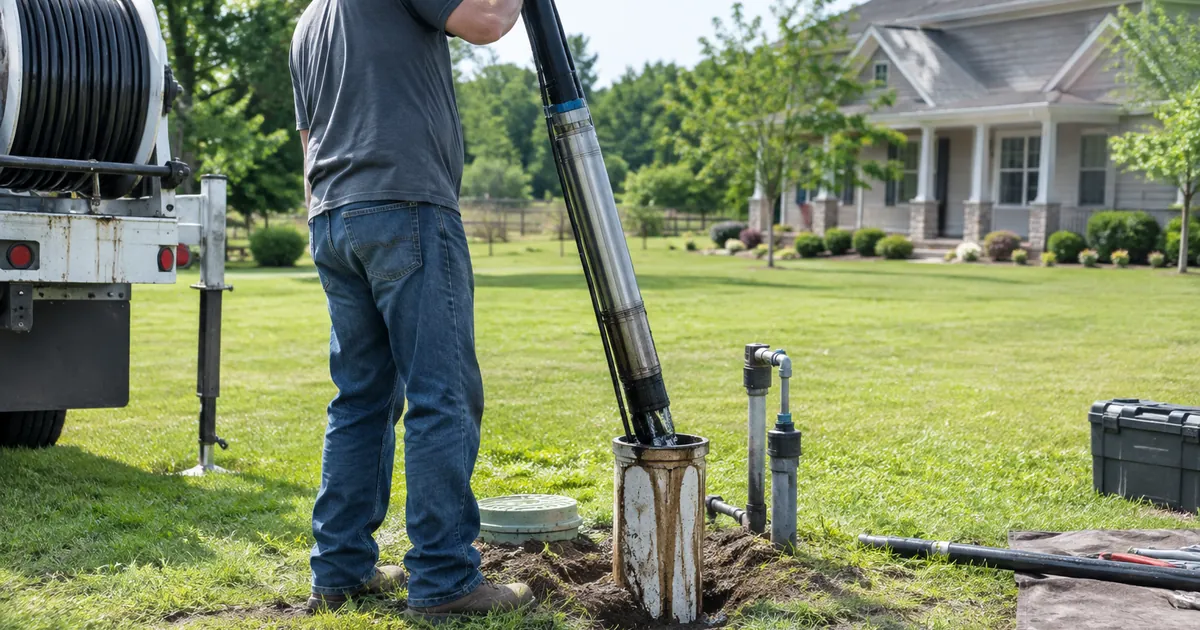
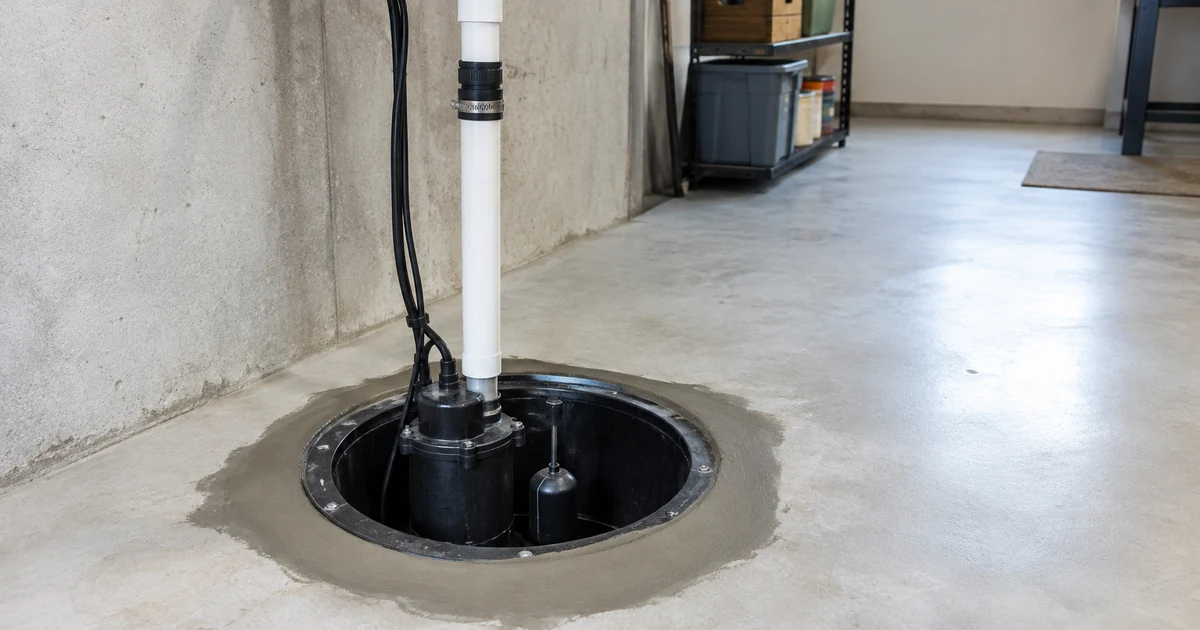
Whether you’re replacing a pump in an existing pit or cutting a new pit into your basement floor makes the biggest difference in price. A straight replacement is a few hours of work. A new installation means breaking concrete, digging, setting a basin, running a discharge line and often adding an outlet.
| Job type | Typical installed cost | What’s involved |
|---|---|---|
| Replace pump in existing pit | $350–$1,000 | Swap pump, check valve and float; reuse basin and discharge |
| New install, basement (new pit) | $800–$2,500 | Cut concrete, dig pit, set basin, discharge line, patch floor |
| Crawl space or exterior install | $1,500–$4,000 | Tight access, liner or exterior pit, longer discharge |
| Dual pumps or multiple pits | $2,000–$4,000+ | Larger basements or high water tables |
| With interior drain tile system | $4,000–$12,000 | Perimeter drain channel feeding the pit |
National averages from major cost guides range from about $1,100 to $1,600 for a new install, so most homeowners adding a primary pump to a basement pay around $1,400. Replacement-only jobs usually stay under $1,000.
Cost by Pump Type
Once the pit is in place, the pump itself is a smaller part of the bill. Here’s what the equipment typically costs before labor:
| Pump type | Unit cost | Pros and cons |
|---|---|---|
| Pedestal | $80–$800 | Motor sits above the pit; long life, louder, easy to service |
| Submersible | $90–$1,000 | Quieter, higher capacity, sits in the basin; most common choice |
| Battery backup (add-on) | $150–$400 unit | Runs during power outages for roughly 6–24 hours |
| Water-powered backup | $200–$900 | Uses city water pressure; no battery to replace |
| Combination (primary + backup) | $500–$1,500 | Two pumps in one preassembled unit |
Submersible pumps are the default for finished basements because they’re quieter and hidden under a sealed lid. Pedestal pumps can last longer and are easier to service, which makes them a good fit for narrow pits and unfinished spaces.
Cost by horsepower
Most homes need a 1/3 or 1/2 HP pump. Larger motors are for deep basements, high water tables or long vertical lifts.
| Horsepower | Unit cost | Installed cost |
|---|---|---|
| 1/3 HP | $90–$250 | $800–$1,200 |
| 1/2 HP | $160–$400 | $1,000–$1,600 |
| 3/4 HP and up | $200–$800 | $1,600–$2,500 |
Cast iron vs. plastic housings
Pump housings come in thermoplastic, stainless steel and cast iron. Plastic models are the cheapest and fine for light duty. Cast iron costs more but dissipates motor heat better, which helps pumps that cycle often during heavy rain last longer. Stainless steel sits in between and resists corrosion.
Cost Breakdown: Materials vs. Labor
On a new installation, labor is typically the biggest share because of the concrete and excavation work.
- Pump: $100–$800 for most residential models
- Basin, lid, check valve and fittings: roughly $50–$200
- Labor: $500–$1,700 for a typical new basement install; plumbers and waterproofing contractors commonly charge $45 to $150 per hour
- Sump basin installation (labor only): $500–$1,200 when a new pit is dug
- Discharge piping: $150–$400 above ground; $250–$2,000 for buried lines
- Permit: $50–$250 where required
Other Factors That Affect the Price
Floor and soil conditions
Cutting a pit into a thick or reinforced slab takes more time and equipment. Rocky soil or a high water table can make digging slower. In homes that need significant concrete removal and repair, budgets of $2,500 to $5,000 are reported just for the floor work.
Discharge line routing
Water must be carried far enough away from the foundation that it doesn’t cycle straight back. A simple line out through the rim joist is cheap; a buried line to the street or a dry well costs much more. Many towns also prohibit discharging into the sanitary sewer.
Electrical outlet
A sump pump should have a dedicated, properly protected outlet near the pit. If there isn’t one, an electrician will need to add it, which adds to the total. Ask whether your quote includes this.
Backup protection
Storms that cause flooding often knock out power too. A battery backup system typically costs about $900 installed on its own, with a range of $300 to $1,800, and batteries need replacing every 3 to 5 years (deep-cycle designs can last longer). Adding it during a primary install is usually cheaper than a separate visit.
Drainage system
A pump only removes water that reaches the pit. If water seeps along the walls, you may also need an interior drain tile system ($4,000 to $12,000) or an exterior solution like a French drain. These are larger projects, but they’re often what actually keeps a basement dry.
Whole-home backup power
Battery backups cover most outages, but they run out during multi-day blackouts. Homeowners in storm-prone areas sometimes put the sump pump on a standby generator circuit instead, which protects the basement along with the rest of the house. It’s a much bigger investment; our generator installation cost guide breaks down the numbers.
Ongoing costs
Running a sump pump is inexpensive, with electricity typically around $30 to $50 per year. Professional maintenance visits run about $100 to $300, and annual service plans from some companies cost $100 to $250. Extended pump warranties, when offered, usually add $50 to $200. Budget for backup batteries every few years if you add a battery system.
Location and access
Crawl spaces, finished basements with limited access, and regions with higher labor rates all raise the price. After-hours emergency service during a storm typically adds $50 to $150 or more.
Before you hire: get at least three written, itemized quotes from licensed and insured local pros. Prices for the same job often differ by 30% or more, and comparing line items is the fastest way to spot padding or missing work.
Signs You Need a Sump Pump (or a New One)
Consider installing a sump pump if you notice:
- Standing water or damp spots on the basement floor after heavy rain or snowmelt
- Water stains, efflorescence (white mineral deposits) or mold on lower walls
- A musty smell in the basement or crawl space
- A house in a low-lying area or with a known high water table
For an existing pump, signs it’s time to replace include constant cycling, strange noises, visible rust, a motor that runs but doesn’t move water, or a pump older than about 10 years. Submersible pumps generally last 5 to 15 years, while pedestal pumps can last much longer.
Minor fixes, such as replacing a float switch ($35 to $70 in parts) or a check valve ($15 to $30 in parts), can extend a pump’s life. If the motor itself fails on an older unit, replacement is usually the smarter spend.
DIY vs. Hiring a Pro
Replacing a pump in an existing pit is a reasonable DIY job for a handy homeowner if the outlet and discharge line are already in place. Parts for a DIY replacement typically cost $300 to $800.
A new installation is a different project. It involves cutting concrete, excavating, managing groundwater, routing discharge to code and often adding electrical work. Hiring a plumber or waterproofing contractor makes sense here, especially if permits are required in your area or if the pump will protect a finished basement.
How to Save Money on Sump Pump Installation
- Install before the wet season. Contractors are busiest after big storms, and emergency calls cost more.
- Get at least three quotes that spell out the pump model, discharge routing, outlet work and permit.
- Buy the right size, not the biggest. A correctly sized 1/3 or 1/2 HP pump handles most homes.
- Add a backup during the same visit instead of scheduling a separate job.
- Improve outside drainage first. Clean gutters, extend downspouts and regrade soil away from the foundation to reduce how hard the pump has to work.
- Check local programs. Some cities and utilities offer flood-prevention rebates or grants for sump pumps and backflow devices.
- Maintain it yearly by cleaning the pit and inlet screen to avoid early failure.
Buying a home with a damp basement? A home inspection can reveal water intrusion before you close, giving you room to negotiate.
Frequently Asked Questions
How much does it cost to replace a sump pump?
Replacing a pump in an existing pit typically costs $350 to $1,000 installed, since the basin and discharge line are reused. DIY replacement parts usually run $300 to $800.
How much does a battery backup sump pump cost?
A battery backup system averages about $900 installed, with most jobs between $300 and $1,800. Standard batteries need replacing every 3 to 5 years at roughly $120 to $200.
How long does a sump pump last?
Submersible sump pumps typically last 5 to 15 years, while pedestal pumps can last much longer because the motor stays out of the water. Regular testing and pit cleaning help pumps reach the long end of that range.
Does homeowners insurance cover sump pump failure?
Standard policies often exclude water backup damage unless you add a water backup or sump pump failure endorsement. Check your policy, since this rider is usually inexpensive compared with the cost of a flooded basement.
What size sump pump do I need?
A 1/3 HP pump handles most average homes, while 1/2 HP suits wetter basements or higher lifts. Deep basements, high water tables or long discharge runs may need 3/4 HP or more; a plumber can size it from your pit depth and inflow.
Can I install a sump pump myself?
Replacing a pump in an existing pit is a manageable DIY job. Installing a new pit requires cutting concrete, digging, routing discharge to local code and sometimes adding an outlet, so most homeowners hire a pro.