How to Use the Fence Cost Calculator
Start with the length. Walk the property line you want to enclose with a measuring wheel or tape and add up every run, leaving out the sections your house or an existing wall will cover. Don’t subtract gate openings; the gate price in the calculator already assumes the fence runs up to each gate post.
Next, pick the material and height, enter the number of walk gates, and add the footage of any old fence the crew has to pull out first. The region selector adjusts for local labor rates. The result shows a low-to-high range plus a typical figure, which is where most quotes for that setup land. Driveway gates, steep slopes, and rocky soil are not built in, so treat those as extras (see the factors below).
Fence Installation Cost by Material
Material sets the baseline price per foot. National cost guides disagree on exact figures because they sample different jobs, so the ranges below are a consensus of current data for installed fences (materials plus labor) at standard residential heights.
| Material | Installed cost per linear foot | Cost for 150 ft | Typical lifespan |
|---|---|---|---|
| Chain link (galvanized) | $10–$25 | $1,500–$3,750 | 15–20+ years |
| Wood (pressure-treated pine) | $20–$40 | $3,000–$6,000 | 15–20 years |
| Wood (cedar) | $25–$50 | $3,750–$7,500 | 15–30 years |
| Vinyl (PVC) | $25–$55 | $3,750–$8,250 | 20–30 years |
| Composite | $30–$65 | $4,500–$9,750 | 25–30 years |
| Aluminum | $28–$65 | $4,200–$9,750 | 20+ years |
| Wrought iron | $35–$85 | $5,250–$12,750 | 50+ years with upkeep |
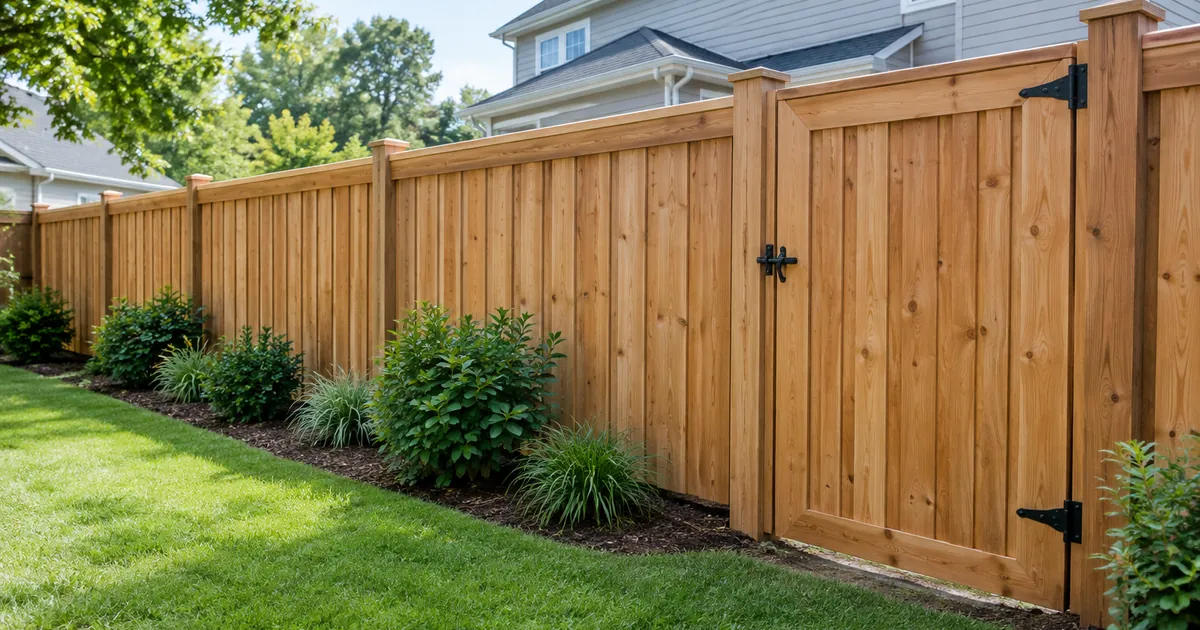
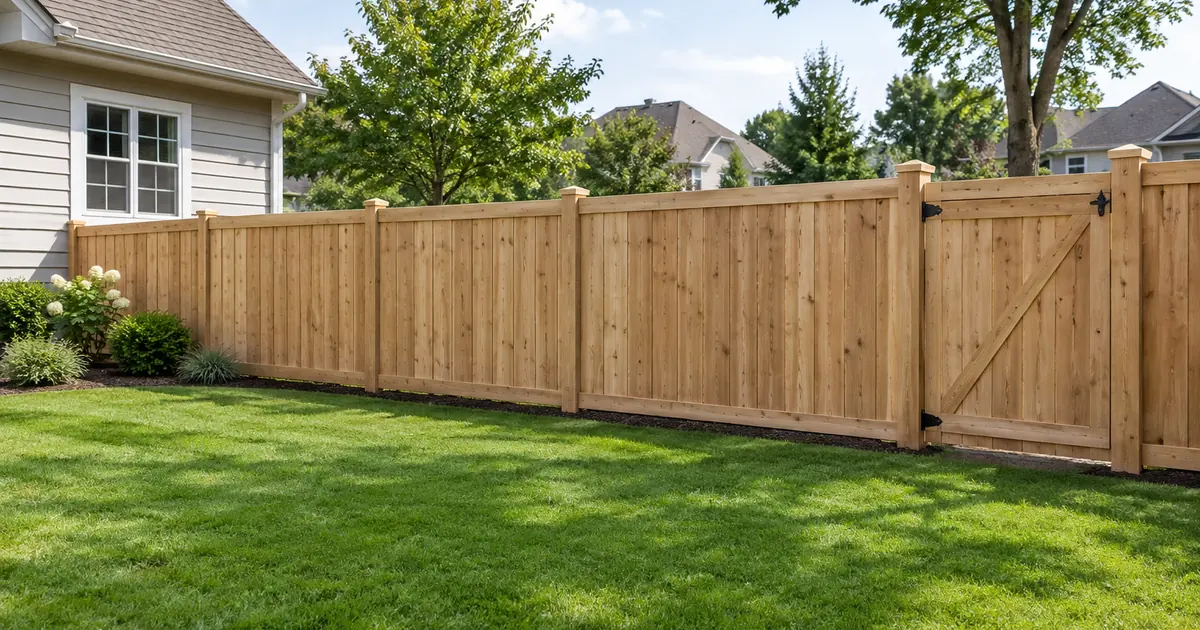
A 6-foot wood privacy fence is the most common backyard project in the U.S., and it sits in the middle of the price scale. Angi puts the national average fence project at roughly $3,300 and about $23 per foot, while HomeGuide reports $20 to $60 per foot for new installs, so expect quotes to spread widely depending on your market and the style you choose.
Chain link is the cheapest way to contain kids and pets but offers no privacy unless you add slats. Vinyl and composite cost more upfront but skip the staining that wood needs every few years. Aluminum and wrought iron are mostly chosen for front yards and pool enclosures, where looks and code-compliant gates matter more than privacy. For material-specific detail, see our guides to wood fence cost and chain link fence cost.
Fence cost by length
Because fences are priced by the foot, the length of the run matters as much as the material. Here’s how common lengths work out, before gates and removal:
| Fence length | Chain link | Wood privacy (6 ft) | Vinyl (6 ft) |
|---|---|---|---|
| 100 ft | $1,000–$2,500 | $2,000–$4,000 | $2,500–$5,500 |
| 150 ft | $1,500–$3,750 | $3,000–$6,000 | $3,750–$8,250 |
| 200 ft | $2,000–$5,000 | $4,000–$8,000 | $5,000–$11,000 |
| 300 ft | $3,000–$7,500 | $6,000–$12,000 | $7,500–$16,500 |
Fencing a full acre takes roughly 850 to 900 linear feet around the perimeter. HomeGuide estimates that at about $7,500 to $25,000 for chain link and $17,000 to $45,000 for wood, which is why many rural owners choose split rail, woven wire, or barbed wire for large areas and save privacy fencing for the area near the house.
Cost by fence height
Taller fences need longer posts set deeper, more boards or panels, and more labor. As a rough guide, a 4-foot fence runs about 20% less per foot than the same style at 6 feet, and an 8-foot privacy fence runs about 35% to 50% more. Many towns cap backyard fences at 6 feet and front-yard fences at 3 to 4 feet, so check the limit before you price an 8-foot fence.
Cost Breakdown: Materials vs. Labor
Labor usually accounts for roughly half of a professional fence bill. Crews charge about $35 to $70 per hour, but most quote per linear foot. Here is how a typical 150-foot wood privacy job breaks down.
| Cost item | Typical price |
|---|---|
| Fence materials (posts, rails, boards, concrete, hardware) | $10–$25 per linear foot |
| Installation labor | $5–$15 per linear foot |
| Walk gate, installed | $250–$600 each |
| Double driveway gate, installed | $500–$1,200+ |
| Old fence removal and haul-away | $3–$8 per linear foot (up to $10–$20 for heavy fences) |
| Permit | $20–$150 in most towns |
| Property line survey (if needed) | $200–$1,200 |
| Staining or sealing wood | $2–$14 per linear foot |
Post caps, decorative lattice toppers, and kickboards are common add-ons. Post caps alone can run $5 to $150 each depending on material, which adds up fast on a fence with 20 or more posts.
Other Factors That Affect Fence Cost
Total length and shape
Per-foot prices drop slightly on long, straight runs because the crew spends less time on setup and corners. Short fences with many corners, angles, or end posts cost more per foot, since corner and end posts are heavier and need extra bracing.
Terrain and soil
Flat, soft ground is the cheapest to fence. Slopes require stepped or racked panels, and rocky or root-filled soil can force the crew to use a jackhammer or core drill for post holes. Clearing brush or small trees, or grading a rough fence line, can add several hundred to a few thousand dollars.
Gates
Every gate adds hardware, a stronger set of posts, and extra labor. A basic walk gate is $250 to $600 installed. Wide double gates for a driveway or RV pad cost more, and motorized rolling gates start around $500 and can pass $1,800 before electrical work.
Removal of the old fence
Pulling out an old wood or chain link fence, including the concrete footings, usually adds a few dollars per foot. Some crews reuse existing post holes, but most set new posts in fresh concrete for a straighter, longer-lasting fence.
Permits, HOA rules, and property lines
Many cities require a permit for fences over a certain height, typically with a modest fee. HOAs often dictate material, color, and style. If you aren’t sure where your line is, a boundary survey is far cheaper than moving a fence after a neighbor dispute. Always call 811 at least a few days before digging so utilities can mark buried lines at no charge.
Region and season
Labor rates vary by market. Angi’s local data, for example, puts typical fence projects at about $2,300 to $6,750 in Seattle versus $1,800 to $4,100 in St. Louis. Fence contractors are busiest from spring through early summer, so booking in late fall or winter, where the ground isn’t frozen, often gets you faster scheduling and more negotiable pricing.
Before you hire: get at least three written, itemized quotes from licensed and insured local pros. Prices for the same job often differ by 30% or more, and comparing line items is the fastest way to spot padding or missing work.
DIY vs. Hiring a Fence Contractor
Installing a fence yourself can cut the bill roughly in half, since labor is about half the cost. Prefabricated wood or vinyl panels and chain link kits are manageable for a handy homeowner with a helper, a power auger rental, and a free weekend or two.
The hard parts are digging dozens of post holes to the right depth (usually below the frost line), keeping posts plumb and evenly spaced, and handling slopes. Mistakes show up as leaning sections and sagging gates within a couple of years. Pros also know local setback rules and pull permits. For long runs, rocky soil, or metal fences that need welding or precise panel fitting, hiring a contractor is usually worth it.
How to Save Money on Fence Installation
- Get at least three itemized quotes and compare them per linear foot, with gates and removal listed separately.
- Share the cost with neighbors. A fence on a shared boundary benefits both sides, and splitting it is common.
- Tear out the old fence yourself if you have time and a way to dispose of the debris.
- Choose standard heights and styles. A 6-foot dog-ear privacy fence uses stock lumber; custom tops, lattice, and board-on-board layouts cost more.
- Fence only what you need. Using the house, a garage wall, or dense hedges as part of the enclosure shortens the run.
- Schedule in the off-season when contractors have openings.
- Stain wood yourself once the lumber has dried out, instead of paying for professional finishing.
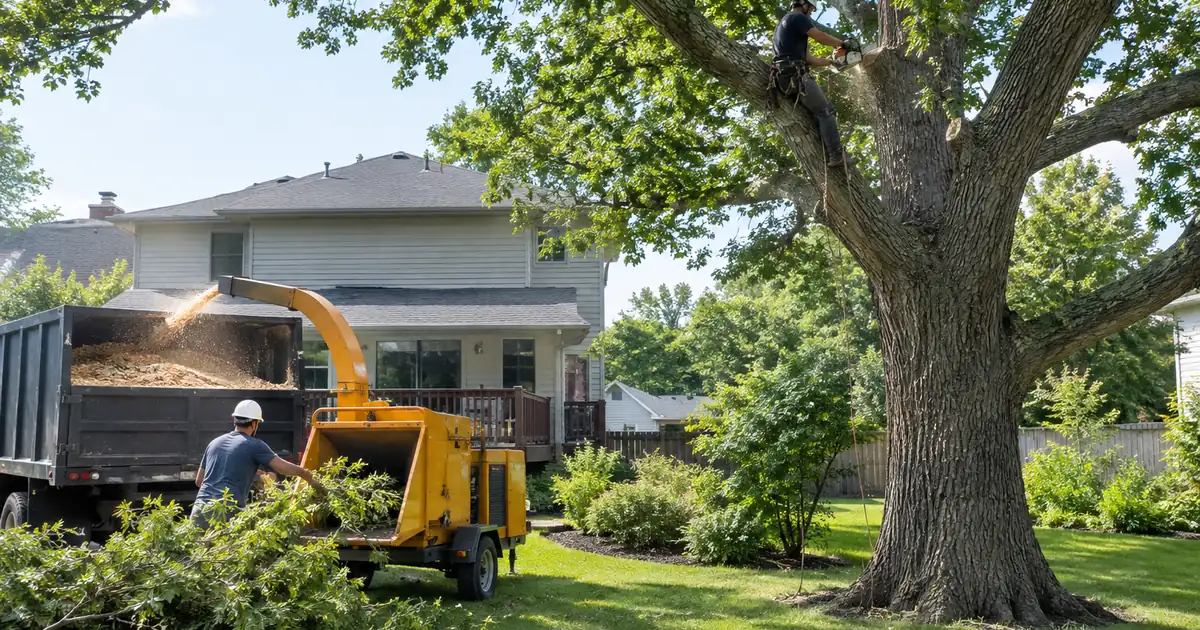
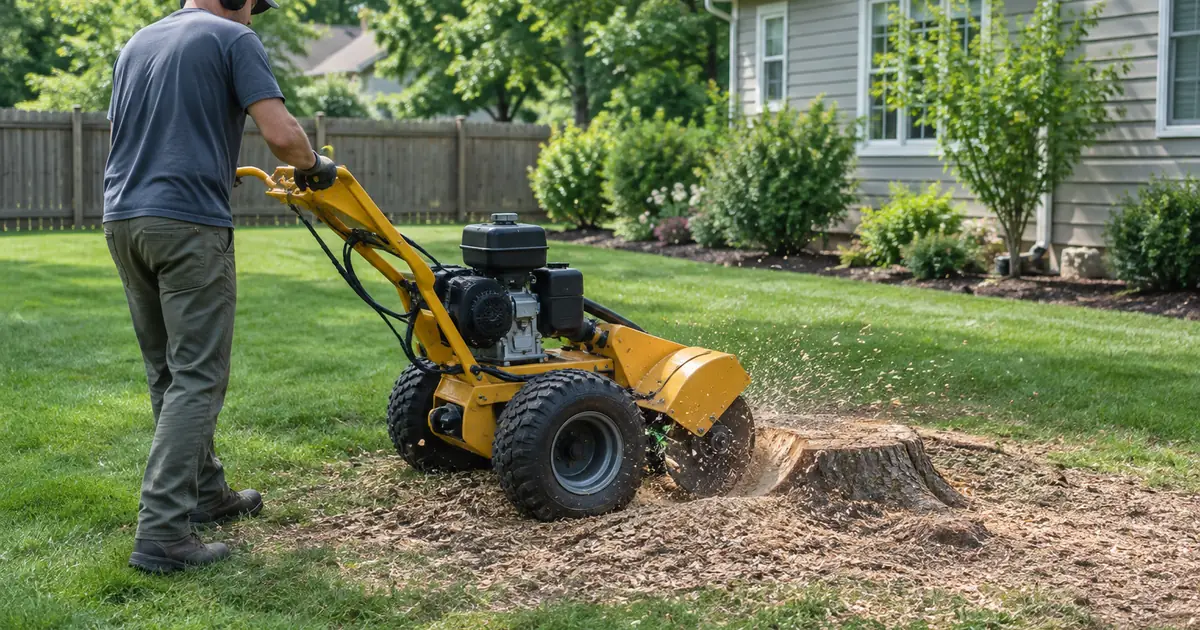
A new fence often pairs with other yard work. If you’re clearing the line first, check our guides to tree removal cost and stump grinding cost.
Frequently Asked Questions
How much does it cost to fence in a backyard?
Most backyards need 150 to 250 feet of fence. At $20 to $40 per foot for a 6-foot wood privacy fence, that works out to about $3,000 to $10,000 including a gate, with most homeowners paying around $4,800 for 150 feet.
What is the cheapest type of fence to install?
Galvanized chain link is the cheapest permanent fence at roughly $10 to $25 per linear foot installed. Split rail and basic wire fences can be cheaper still but don’t offer privacy or keep small pets in.
How much does a 100-foot fence cost?
A 100-foot fence typically costs $1,000 to $2,500 for chain link, $2,000 to $4,000 for pressure-treated wood privacy, and $2,500 to $5,500 for vinyl, plus $250 to $600 for each walk gate.
Is a vinyl fence more expensive than wood?
Yes, vinyl usually costs 20% to 40% more upfront than pressure-treated wood. It needs no painting or staining and lasts 20 to 30 years, so the lifetime cost can end up similar or lower.
Do I need a permit to build a fence?
Many cities require a permit, especially for fences over 6 feet or in front yards, and fees are usually $20 to $150. Check with your local building department and HOA before ordering materials.
How long does fence installation take?
A crew can install 150 to 200 feet of wood or chain link fence in one to three days. Post concrete needs time to set, and metal or custom fences can take longer.