Tree Removal Cost by Height
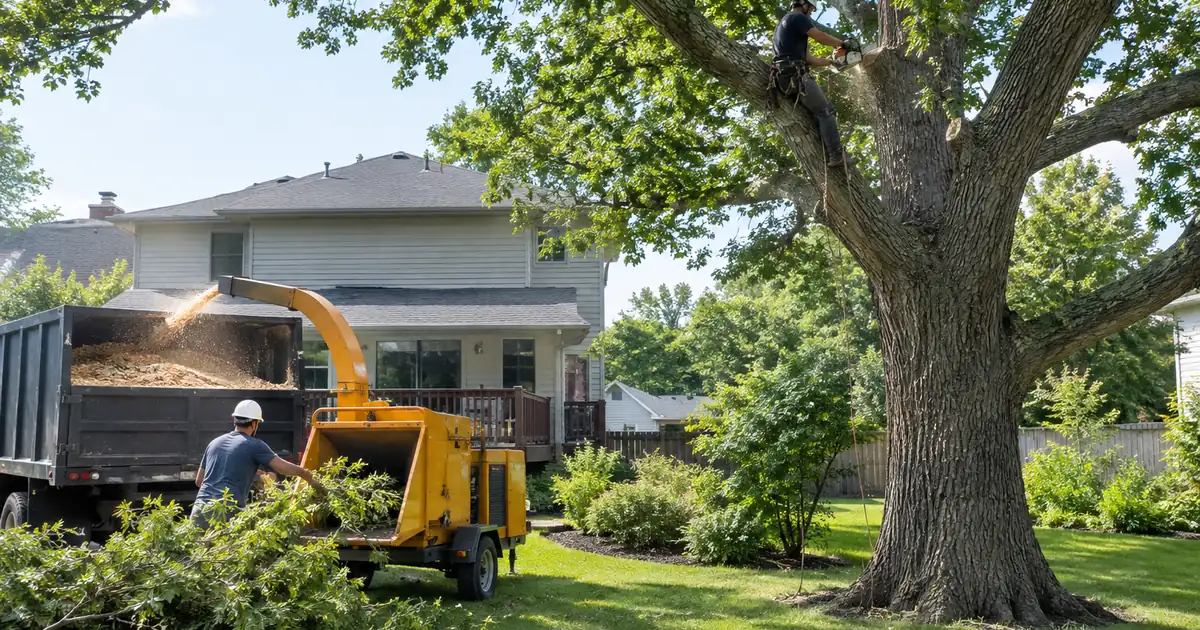
Height is the first thing an arborist looks at when pricing a removal, because it determines how the tree comes down. A small tree can be felled in one piece. A tall one near a house has to be climbed and taken apart from the top, with limbs lowered on ropes, which takes more people, more time, and more equipment.
| Tree height | Typical cost | Common examples |
|---|---|---|
| Small (under 30 ft) | $150 – $500 | Crabapple, dogwood, Japanese maple, young fruit trees |
| Medium (30 – 60 ft) | $450 – $1,200 | Mature maple, cedar, elm, many backyard shade trees |
| Large (60 – 80 ft) | $800 – $2,000 | Mature oak, ash, pine |
| Extra-large (over 80 ft) | $1,200 – $2,500+ | Old-growth oak, tall pines, sycamore |
National averages cluster around $750 to $900 per tree, and a price near $850 is a fair expectation for a medium tree with straightforward access. Some companies also quote by height, at roughly $9.50 to $14.50 per foot for routine removals.
Why trunk diameter matters too
Two trees of the same height can carry very different price tags. A thick trunk means more wood to cut, more weight to lower, and more debris to chip or haul. It also drives the cost of stump grinding, which is usually priced by the inch of diameter. When comparing quotes for a large tree, measure the trunk at chest height and give that number to each company so they are pricing the same job.
Cost by tree species
| Species | Typical removal cost | What affects the price |
|---|---|---|
| Palm | $200 – $1,500 | Usually lighter work, but tall palms need a lift or climber |
| Pine | $250 – $1,600 | Tall, straight trunks; sap and needles add cleanup |
| Maple | $250 – $2,000 | Wide canopies over roofs and driveways |
| Cedar | $250 – $2,000 | Dense branching and heavy wood |
| Ash | $250 – $2,000 | Dead ash from emerald ash borer becomes brittle and riskier to climb |
| Oak | $200 – $2,500 | Very heavy hardwood, large trunks and limbs |
Cost Breakdown: Labor, Equipment, and Cleanup
Tree removal is almost entirely labor and equipment. There are no materials to speak of, so the quote reflects crew time, risk, and machinery.
- Crew labor: tree services often figure $100 to $400 or more per hour for a crew with equipment. A medium tree usually takes a few hours; a large tree in a tight spot can take a full day.
- Bucket truck or crane: a crane can add around $500 or more to a job, and complex crane removals over houses can reach several thousand dollars.
- Chipping and hauling: often included, but some companies itemize it at $50 to $150 or so, or charge $75 to $125 per hour for chipping.
- Log splitting: about $50 to $100 if you want to keep the wood for firewood.
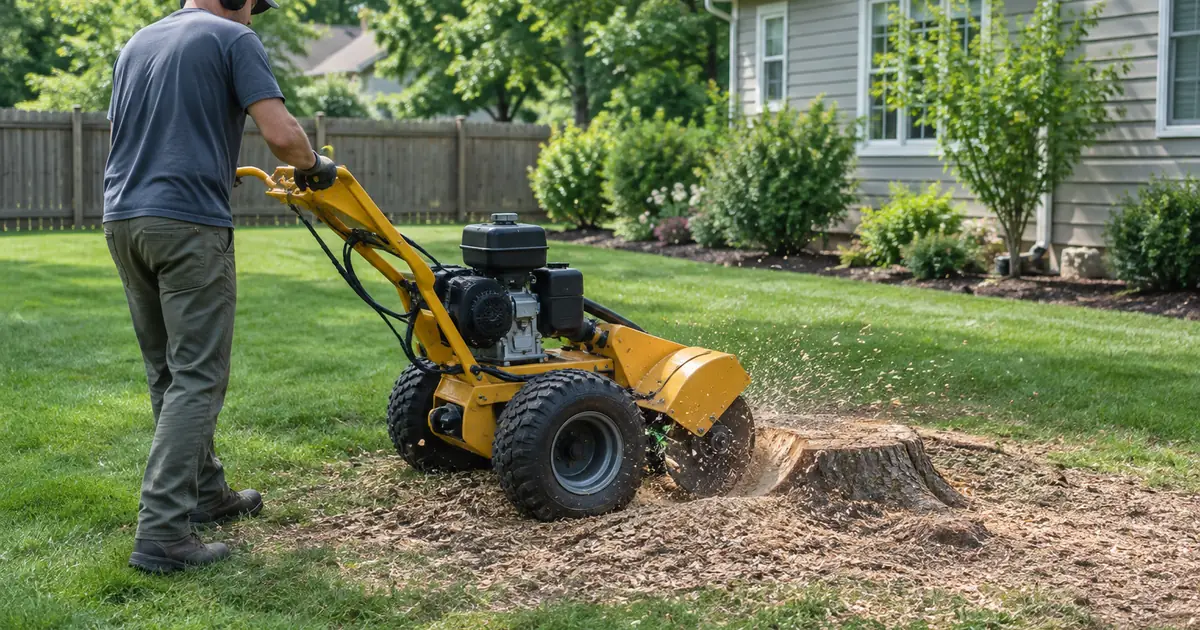
- Stump grinding: usually extra, roughly $100 to $500 for the first stump depending on size.
- Permits: about $60 to $150 where required.
- Travel: rural properties may see a trip fee of $50 to $200.
Other Factors That Affect Tree Removal Prices
Proximity to the house and power lines
A tree standing alone in an open yard can often be dropped in one piece. The same tree leaning over a roof, fence, or deck has to be rigged and lowered in sections. Trees tangled in power lines are the most expensive and dangerous jobs; contact your utility first, since many utilities will de-energize the line or clear the portion touching their equipment at no charge.
Condition of the tree
Dead, diseased, or storm-damaged trees can cost more because the wood is unpredictable and harder to climb safely. Diseased tree removals often run $400 to $900 or more. On the other hand, a tree that is already on the ground usually costs much less, often $75 to $300 to cut up and haul away.
Emergency service
After a storm, crews are in high demand. Emergency removals can run two to three times the normal rate, and a large tree on a house can reach $5,000 or more. If a covered peril such as wind drops a tree on your home, your homeowners policy may cover part of the removal; many policies cap tree debris coverage around $500 to $1,000 per tree.
Access for equipment
If a bucket truck or stump grinder cannot reach the backyard, everything has to be climbed and carried out by hand. Narrow gates, steep slopes, and soft lawns all add labor time.
Permits and protected trees
Many cities require a permit to remove trees above a certain trunk diameter, and some protect specific species regardless of size. Fines for unpermitted removal can far exceed the permit fee, so check with your city or county before scheduling. A reputable tree service will know the local rules.
Multiple trees and season
Removing several trees in one visit spreads out the trip and setup cost; many companies offer roughly 10% to 25% off additional trees. Late fall and winter are often quieter than peak season, while summer and post-storm periods tend to be pricier.
Before you hire: get at least three written, itemized quotes from licensed and insured local pros. Prices for the same job often differ by 30% or more, and comparing line items is the fastest way to spot padding or missing work.
Signs a Tree Should Come Down
Removal is permanent, so it is worth having a certified arborist assess a valuable tree before you commit. These signs usually justify removal:
- Large dead limbs, bare sections of canopy, or no leaves in season.
- Deep cracks or cavities in the trunk, or fungus growing at the base.
- A sudden new lean, heaving soil, or exposed, damaged roots.
- Roots lifting a driveway, damaging a foundation, or invading sewer lines.
- Branches repeatedly hitting the roof, which can damage shingles and fill gutters; our roof repair cost guide shows what that damage runs.
- Infestation such as emerald ash borer that has already killed much of the canopy.
If the tree is basically healthy, trimming or cabling may solve the problem for far less than a full removal.
DIY vs. Hiring a Pro
Cutting down a small tree under about 15 to 20 feet in an open area is a reasonable DIY job for someone comfortable with a chainsaw and proper protective gear. Beyond that, tree work is one of the most dangerous jobs homeowners attempt. Trees can fall unpredictably, limbs can kick back, and a tree near a structure or power line requires rigging skills most people do not have.
When hiring, look for a company that carries both general liability and workers’ compensation insurance and ask for certificates. If a worker is hurt on your property and the company is uninsured, you could be exposed. ISA-certified arborists are trained to assess tree health and safe removal methods.
How to Save Money on Tree Removal
- Get at least three written quotes. Tree service prices vary widely for the same job, and each estimate should spell out cleanup, stump grinding, and haul-away.
- Bundle work. Remove several trees, or combine removal with trimming, in a single visit to save on setup and travel.
- Book outside of storm season. Scheduling in late fall or winter, when crews are less busy, can lower the price.
- Keep the wood. Asking the crew to leave cut rounds for firewood can reduce hauling fees.
- Skip the stump grinding if you can live with it. You can grind it later, or rent a grinder yourself for a small stump.
- Call the utility first. If the tree touches power lines, the utility may clear that portion at no cost.
- Check insurance. Storm damage to your home from a fallen tree is often partly covered; read your policy before paying out of pocket.
Once the tree is gone, plan for what comes next: a new fence section if the old one was damaged, or sod to cover the bare patch left behind.
Frequently Asked Questions
How much does it cost to remove a large tree?
Trees 60 to 80 feet tall typically cost $800 to $2,000 to remove, and trees over 80 feet can run $1,200 to $2,500 or more. A large tree over a house or near power lines that needs a crane can cost several thousand dollars.
Does tree removal include stump grinding?
Usually not. Most quotes cut the stump close to the ground and treat grinding as an add-on, typically $100 to $500 depending on stump size. Ask for it to be listed separately so you can compare quotes.
Will homeowners insurance pay for tree removal?
Often only when a tree falls because of a covered event like wind or lightning and damages a structure. Many policies limit tree debris removal to about $500 to $1,000 per tree. Removing a healthy or dying tree as a precaution is generally not covered.
Do I need a permit to cut down a tree on my property?
It depends on your city or county. Many municipalities require permits for trees above a set trunk diameter or for protected species, and HOAs may have their own rules. Where required, permit fees are commonly $60 to $150.
Is it cheaper to remove trees in winter?
Often, yes. Late fall and winter are slower months for many tree services, and deciduous trees without leaves are lighter and easier to rig. Summer and the weeks after major storms tend to be the most expensive.
Who pays to remove a tree near power lines?
Utilities typically handle trees touching or threatening their lines, and many will clear that portion for free. Call your utility before hiring anyone. Never attempt to cut near an energized line yourself.