Gutter Installation Cost by Material
Gutters are priced by the linear foot, and the material is the main driver of that price. Aluminum is by far the most common choice for homes in the U.S. because it balances cost, durability, and rust resistance.
| Material | Installed cost per linear foot | Cost for 175 ft | Typical lifespan |
|---|---|---|---|
| Vinyl (sectional) | $4–$12 | $700–$2,100 | 10–15 years |
| Aluminum (seamless) | $8–$18 | $1,400–$3,150 | About 25 years |
| Galvanized / stainless steel | $10–$25 | $1,750–$4,375 | 15–20 years |
| Zinc | $15–$45 | $2,625–$7,875 | 50+ years |
| Copper | $20–$40 | $3,500–$7,000 | Up to 100 years |
Most homeowners pay about $2,500 to install around 175 linear feet of seamless aluminum gutters with four downspouts, including removal of the old gutters. The full range for a typical house runs from about $1,200 to $5,000, and premium metals like copper or zinc can cost far more.
Most homes need 100 to 200 linear feet of gutters. A quick rule of thumb is about one-tenth of the home’s square footage, so a 1,800 sq ft house often needs roughly 180 feet. The actual number depends on the roofline, not the floor area, so measure every eave that drains water.
Seamless vs. sectional gutters
Sectional gutters come in 10- to 20-foot pieces joined together. They are cheaper and DIY-friendly, but every seam is a potential leak. Seamless gutters are formed on site from a coil of aluminum or steel to fit each run in one piece. They typically cost about $3–$5 more per linear foot but leak less and look cleaner.
K-style vs. half-round
K-style gutters have a flat back and a decorative front that resembles crown molding. They are the standard on most American homes and hold more water than half-round gutters of the same width. Half-round gutters suit older and historic homes and usually add $1–$2 per linear foot.
Cost Breakdown: Materials vs. Labor
For aluminum and vinyl, labor is often half or more of the total. Seamless gutters require a crew with a forming machine, which is part of why they are rarely a DIY job.
| Cost item | Typical price |
|---|---|
| Gutter material (aluminum) | $3–$15 per linear foot |
| Installation labor | About $75 per hour, often built into the per-foot price |
| Downspouts | $30–$75 each installed |
| Old gutter removal and disposal | $50–$200 |
| Splash blocks or extensions | $10–$50 per downspout |
| Gutter guards (optional) | $15–$45 per linear foot installed |
| Fascia board replacement (if rotted) | $5–$12 per linear foot |
Other Factors That Affect the Price
Home height and roof pitch
Single-story homes are the cheapest to work on. Two- and three-story homes need taller ladders or lifts and more safety precautions, so contractors charge more per foot. Steep roofs add time as well.
Number of downspouts and corners
Every downspout, inside corner, and outside corner adds parts and labor. A plan of about one downspout every 30–40 feet of gutter is common, and complex rooflines with many corners cost more than a simple rectangular house.
Gutter size
Five-inch K-style gutters are standard. Homes with large roof areas or in regions with heavy rainfall often need 6-inch gutters and larger 3×4-inch downspouts, which cost more but move more water and clog less.
Fascia and roof edge condition
Gutters hang on the fascia board. If the fascia is rotted, it has to be replaced before new gutters go up. Discovering rot during installation is one of the most common reasons a final bill ends up higher than the quote.
Removal of old gutters
Tearing off and hauling away old gutters usually adds $50–$200. Some contractors include it in their per-foot price, so check the quote.
Region and season
Labor costs vary by metro area. Fall is peak season for gutter companies, so scheduling in late winter or spring can mean shorter waits.
Gutter Installation Cost by Home Size
Because gutters are priced by the foot, the size and shape of your home set the total. These estimates assume seamless aluminum gutters with a typical number of downspouts on a one-story home.
| Home size | Approx. gutter length | Estimated cost (seamless aluminum) |
|---|---|---|
| 1,000 sq ft | 100 ft | $950–$2,200 |
| 1,500 sq ft | 150 ft | $1,350–$3,150 |
| 2,000 sq ft | 200 ft | $1,800–$4,000 |
| 2,500 sq ft | 250 ft | $2,200–$5,000 |
Two-story homes and complex rooflines with many corners land at the upper end of each range. Vinyl will come in well below these numbers, and copper or zinc well above.
Gutter Guard Cost
Gutter guards cover the top of the gutter to keep out leaves and debris. Professionally installed guards typically cost $15–$45 per linear foot, so adding them to 175 feet of gutters can add $2,600–$7,900 to the project. Simpler screen and foam inserts are far cheaper, but they tend to clog or need more cleaning than premium micro-mesh systems.
Guards make the most sense on homes surrounded by trees, especially pines that drop needles, or when climbing a ladder to clean gutters is difficult. On an open lot with few trees, twice-a-year cleaning is usually cheaper than guards. If you do want guards, installing them at the same time as new gutters is usually cheaper than adding them later.
Downspout Extensions and Drainage
Downspouts need to carry water away from the foundation, not dump it next to it. Splash blocks and simple extensions cost about $10–$50 per downspout. Buried downspout extensions that run water underground to a safe discharge point cost more, up to about $25 per linear foot, but they keep the yard clear and protect the foundation on homes with drainage problems.
Before you hire: get at least three written, itemized quotes from licensed and insured local pros. Prices for the same job often differ by 30% or more, and comparing line items is the fastest way to spot padding or missing work.
Repair vs. Replace Your Gutters
Small problems like a leaking seam, a loose hanger, or a single sagging section are usually cheap to repair. Replacement makes more sense when problems are widespread.
- Replace if gutters are rusting through, pulling away from the fascia along long runs, or cracked in multiple places.
- Replace if water regularly overflows even when the gutters are clean, which suggests they are undersized or pitched wrong.
- Repair if the issue is limited to a few seams, end caps, or hangers on otherwise sound gutters.
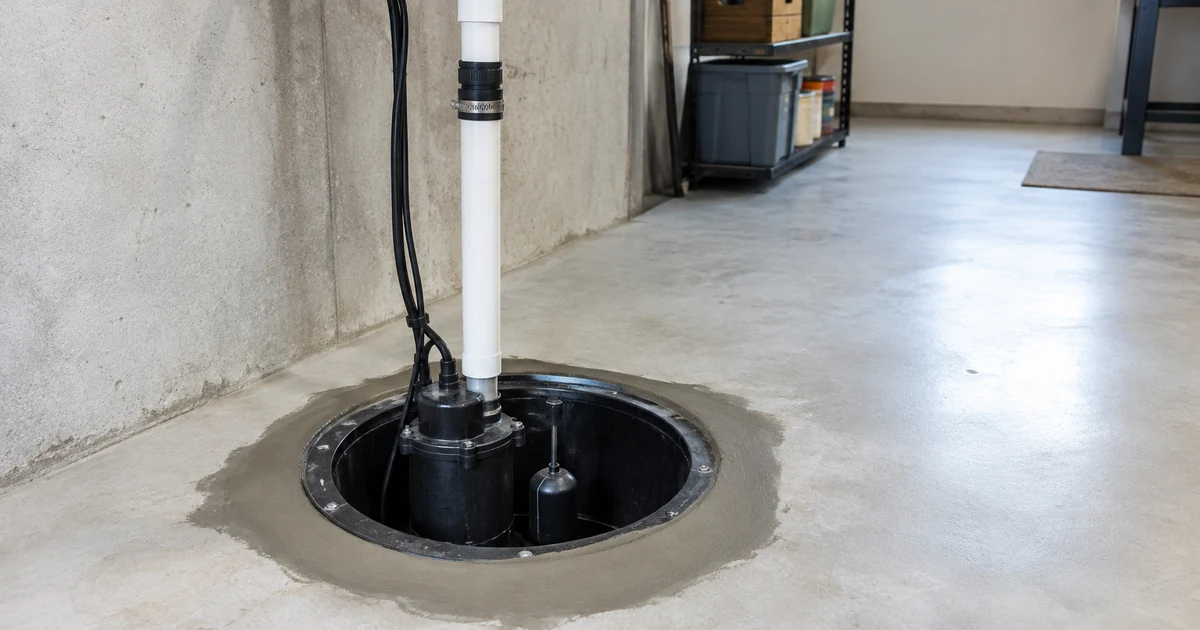
Watch for water stains on siding, peeling paint, rotted fascia, eroded flower beds, and damp or leaking basements. Gutters that dump water next to the foundation can lead to much bigger bills. If water is already reaching your basement, a French drain or sump pump may also be worth pricing.
DIY vs. Hiring a Pro
Installing sectional vinyl or aluminum gutters on a single-story home is a reasonable DIY project for a handy homeowner. You can save roughly half the cost of a professional job, but you need to get the pitch right, usually about 1/4 inch of slope for every 10 feet, so water reaches the downspouts.
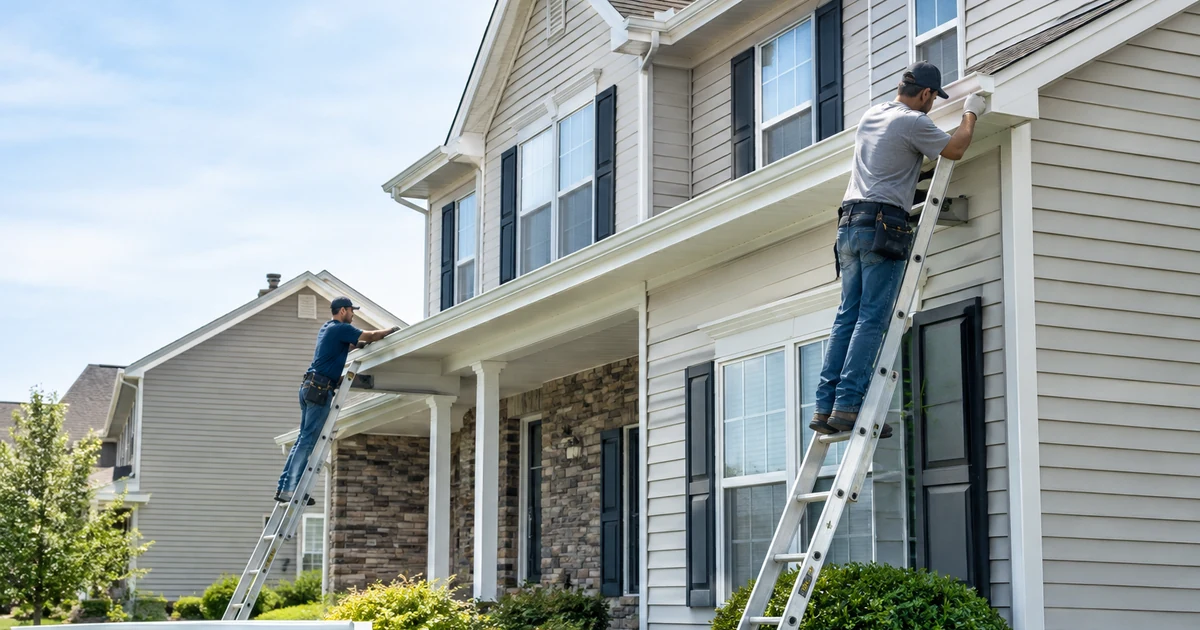
Seamless gutters require a forming machine, so they are almost always professionally installed. Hire a pro for two-story homes as well. Working at the roof edge from a tall extension ladder is genuinely dangerous, and pros have the equipment and training to do it safely.
If you are planning roof work too, time the gutters to go up after the roof. Our guides to roof repair cost and metal roof cost can help you budget both projects together.
How to Save Money on Gutter Installation
- Choose seamless aluminum. It offers the best mix of price and durability for most homes. Save copper and zinc for design-driven projects.
- Measure first. Know your total linear feet and downspout count so you can compare quotes on the same basis.
- Get three quotes. Per-foot prices vary widely between companies in the same area.
- Bundle with roofing. Roofing contractors often offer lower gutter prices when both are done in one project.
- Schedule off-season. Late winter and spring are often less busy than fall.
- Skip guards if you do not need them. Gutter guards add $15–$45 per foot. They pay off under heavy tree cover but may not be worth it on an open lot.
- Keep sound downspouts. If only the gutter runs are failing, ask whether existing downspouts can be reused.
Frequently Asked Questions
How much do gutters cost for a 2,000 sq ft house?
A 2,000 sq ft home usually needs around 200 linear feet of gutters. With seamless aluminum at $8–$18 per foot plus downspouts, expect roughly $1,800 to $4,000 installed, depending on home height and roof complexity.
Are seamless gutters worth the extra cost?
For most homes, yes. Seamless gutters typically cost about $3–$5 more per linear foot than sectional gutters, but they have far fewer joints that can leak and they look cleaner.
How long do gutters last?
Vinyl gutters often last 10–15 years, galvanized steel 15–20 years, aluminum about 25 years, and zinc or copper 50 years or more with proper care.
How many downspouts do I need?
A common guideline is one downspout for every 30–40 feet of gutter, with at least one per run. Large roofs and areas with heavy rain may need more or larger downspouts.
Do gutter guards add a lot to the cost?
Professionally installed gutter guards typically cost $15–$45 per linear foot, which can double the cost of the project. They are most worth it on homes under heavy tree cover.
How long does gutter installation take?
A professional crew can usually install seamless gutters on an average single-family home in one day.