Basement Waterproofing Cost by Method
The method your basement needs sets the price more than anything else. A coat of sealer on dry-but-musty walls is a weekend-sized job. A full interior drain system or an exterior excavation down to the footings is a multi-day project with heavy equipment and concrete work.
| Method | Typical cost | Best for |
|---|---|---|
| Waterproof sealer or coating (interior) | $2–$8 per sq ft of wall | Dampness, condensation, minor seepage through porous walls |
| Crack injection (epoxy or polyurethane) | $250–$1,500 per crack | A few isolated leaking cracks in poured concrete walls |
| Partial interior drain + sump pump | $3,000–$7,500 | Water entering along one or two walls at the floor joint |
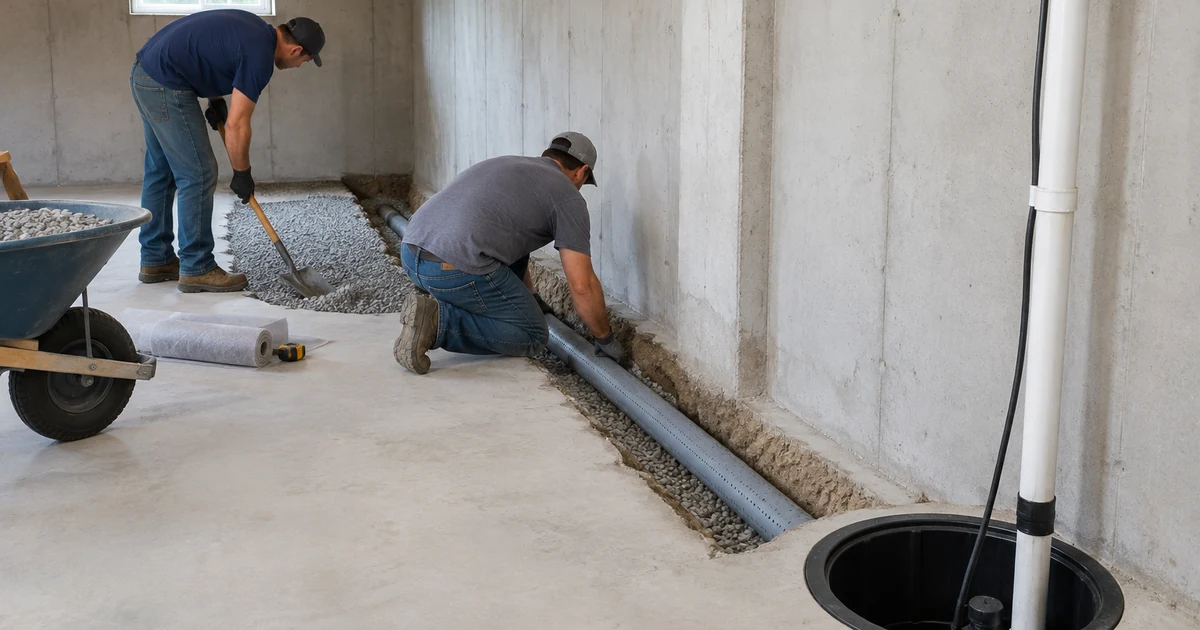
| Full-perimeter interior drain tile + sump | $6,000–$15,000 | Recurring water at the cove joint on most walls |
| Exterior excavation + membrane + footing drain | $10,000–$20,000+ | Stopping water before it reaches the wall; new or badly leaking foundations |
National cost guides put the average basement waterproofing project around $5,000 to $5,250, with most homeowners paying between roughly $2,500 and $10,000. Full systems for larger basements, especially exterior work, can run $15,000 to $20,000 or more, which is why the ranges you see online vary so widely.
Contractors usually price interior drainage by the linear foot of wall. Figures of $60 to $120 per linear foot are common for an interior drain channel, with the sump pump either included or quoted separately. A typical 1,000 sq ft basement has about 125 to 130 feet of perimeter.
Interior vs. exterior waterproofing
Interior systems don’t stop water from reaching the foundation. They collect it at the base of the wall, under the slab, and pump it out. They’re less disruptive, can be installed year-round, and usually cost less than half as much as exterior work.
Exterior waterproofing means digging down to the footings, cleaning the wall, applying a membrane or coating, and laying a new footing drain before backfilling. It keeps the wall itself dry, but it tears up landscaping, walkways and sometimes decks. Many contractors reserve it for new construction, walls that also need structural repair, or homes where interior work isn’t possible.
Sealant costs by type
Sealers are the cheapest option, but they only work on walls with light dampness. They won’t hold back water under pressure, and they need recoating every several years.
| Sealer type | Installed cost per sq ft | Notes |
|---|---|---|
| Acrylic | $1–$4 | Paint-like coating; easiest DIY option; shortest life |
| Silicate (penetrating) | $4–$6 | Reacts with concrete to densify it; bare masonry only |
| Epoxy | $5–$7 | Hard, durable film; also used for injecting cracks |
| Liquid or sheet membrane | $4–$7 | Mostly exterior; thicker, flexible barrier |
Cost Breakdown: Materials vs. Labor
Labor is the biggest part of any drainage job because it involves breaking and replacing concrete or digging. Waterproofing contractors commonly bill crews at rates that work out to around $200 per hour, though most quote by the job or by the linear foot.
- Interior drain channel: $60–$120 per linear foot installed (cutting the slab, trenching, perforated pipe, gravel, re-pouring concrete)
- Sump pump and basin: $600–$2,500 installed, depending on whether a new pit is needed
- Wall dimple membrane or vapor barrier: $1,500–$3,000 for a typical basement
- Exterior drain tile: $25–$90 per linear foot, plus excavation
- Excavation: $50–$200 per cubic yard, or roughly $3,000–$15,000 for a full exterior dig
- Permits: $75–$500 where required
Other Factors That Affect the Price
Basement size and wall height
Drainage systems scale with the length of the walls; sealers and membranes scale with wall area. A 1,500 sq ft basement can cost roughly 50% more than a 1,000 sq ft one for the same method.
Wall construction
Poured concrete walls leak mainly through cracks and tie-rod holes, which are cheap to fix one at a time. Concrete block walls hold water in their hollow cores, so drainage systems often include weep holes drilled into the bottom course, adding labor.
Access and finished spaces
If drywall, flooring or built-ins sit along the walls, they must come out before interior drainage goes in. Outside, decks, patios, driveways and mature plantings next to the foundation make excavation slower and more expensive.
Existing damage
Bowing walls, wide horizontal cracks or settling are structural problems, not waterproofing problems. Those need foundation repair first. Mold on framing or drywall adds remediation costs that are usually quoted separately.
Discharge and backup power
Water from a sump has to go somewhere legal. Burying a discharge line to daylight or a dry well adds cost, and so does a battery backup pump. Many contractors recommend backup protection because heavy storms and power outages tend to arrive together.
Region
Labor rates and soil conditions vary. Areas with clay soils, high water tables or deep frost lines tend to see higher quotes and more demand for full drainage systems.
What a Good Waterproofing Quote Includes
Two quotes for “a drain system and sump pump” can describe very different jobs. Before comparing prices, make sure each proposal spells out the same details:
- Linear footage of drain channel and which walls it covers
- Pipe and stone: perforated pipe size and whether it sits in washed gravel
- Wall treatment: dimple membrane or flange that directs wall seepage into the channel, and weep holes for block walls
- Sump details: pump brand and horsepower, basin size, sealed lid, check valve, and whether a battery backup is included
- Discharge route and how far it runs from the foundation
- Concrete finish: who patches the floor and how it’s left
- Warranty: length, what it covers (labor, pump, leaks), and whether it transfers to a new owner
A lower bid that leaves out the wall membrane or uses a smaller pump isn’t necessarily a better deal. Comparing line by line also makes it easier to spot padding.
Ongoing Costs After Waterproofing
Most systems need little attention, but budget for some upkeep. Angi estimates annual maintenance at $200 to $400 and resealing at about $1,000 every 5 to 10 years for coating-based systems. Test the sump pump each spring by pouring water into the pit, keep the discharge outlet clear of leaves and ice, and run a dehumidifier in humid months to keep relative humidity in check.
Before you hire: get at least three written, itemized quotes from licensed and insured local pros. Prices for the same job often differ by 30% or more, and comparing line items is the fastest way to spot padding or missing work.
Signs You Need Basement Waterproofing
Not every damp basement needs a drain system. The pattern of the water tells you a lot about the fix.
- Water at the floor-wall joint after rain: classic hydrostatic pressure; usually calls for interior drainage and a sump pump.
- Wet streaks from specific cracks: often solved with crack injection alone.
- White, chalky deposits (efflorescence) on walls: moisture is moving through the masonry; sealers or drainage may help depending on severity.
- Musty smell, damp air, sweating pipes: this may be humidity rather than leaks; a dehumidifier and better ventilation can be enough.
- Water after every storm near one corner: check gutters and downspouts first; a clogged or short downspout is a common culprit.
DIY vs. Hiring a Pro
Sealers, crack-filling kits, downspout extensions and regrading soil away from the house are reasonable DIY projects. They cost a few hundred dollars in materials and fix many minor dampness problems.
Interior drain systems and exterior excavation are different. Cutting a slab means dust control, concrete disposal and knowing where plumbing lines run. Excavating next to a foundation carries real collapse risk and usually requires a utility locate and sometimes a permit. Hire a contractor for these, and ask whether the warranty is transferable if you sell.
How to Save Money on Basement Waterproofing
- Fix the outside first. Clean gutters, extend downspouts 6 to 10 feet from the house, and regrade soil to slope away. New gutters cost far less than a drain system and sometimes solve the problem.
- Match the method to the symptom. Don’t pay for full-perimeter drainage if only one wall leaks; a partial system tied to a sump is often enough.
- Get at least three written quotes that list linear footage, pump model, wall treatment and warranty terms so you can compare them line by line.
- Be wary of pressure tactics. Free inspections sometimes come with same-day discounts. A reputable contractor will leave a written proposal.
- Bundle the sump work. If you need a sump pump anyway, have it installed as part of the drainage job rather than as a separate visit.
- Waterproof before finishing. Doing it before drywall and flooring go in avoids tear-out costs later.
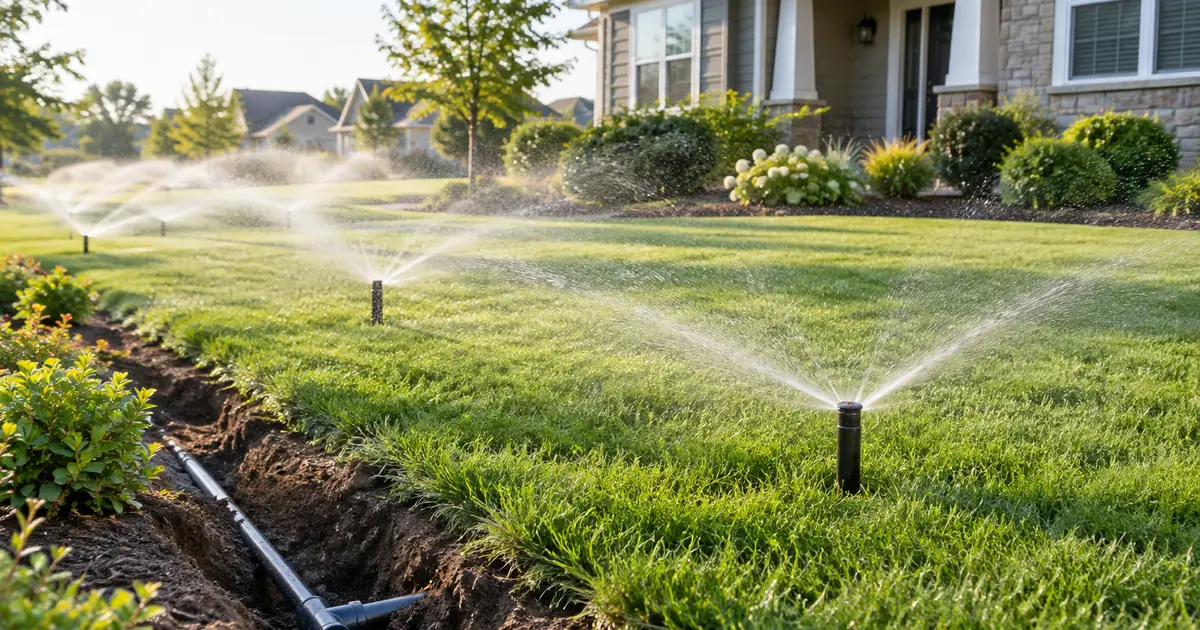
- Consider an exterior French drain when water comes from surface runoff on a slope; it can intercept water before it reaches the foundation.
Frequently Asked Questions
Is interior or exterior basement waterproofing better?
Exterior waterproofing keeps water off the wall entirely, but it costs roughly twice as much and requires excavation. Interior drainage manages water that gets in and routes it to a sump pump. For most existing homes with water at the floor-wall joint, an interior system is the more cost-effective fix.
How much does it cost to waterproof a 1,000 sq ft basement?
Expect roughly $2,000 to $5,000 for sealers and crack repair, $6,000 to $14,000 for a full-perimeter interior drain with a sump pump, and $10,000 to $20,000 for exterior excavation. A typical 1,000 sq ft basement has about 125 to 130 linear feet of wall.
Does waterproof paint actually work on basement walls?
It works on walls that are damp from minor seepage or capillary moisture. It won’t stop water pushed through cracks or the floor joint by hydrostatic pressure, and it can peel if water builds up behind it. Treat it as a fix for dampness, not active leaks.
How long does basement waterproofing last?
Interior drain systems and exterior membranes generally last decades when installed correctly, and cost guides cite lifespans of 10 to 30 years or more. The mechanical parts wear out sooner: sump pumps need periodic replacement, and sealers need recoating every several years.
Does homeowners insurance pay for basement waterproofing?
Generally no. Insurance policies typically treat waterproofing as maintenance and exclude gradual seepage. Some policies cover sudden water damage or offer sump pump backup riders, so check your policy for what’s covered after a failure.
Does basement waterproofing add home value?
A dry basement makes a home easier to sell and prevents inspection issues. A transferable warranty from the installer can be a selling point with buyers.