Window Replacement Cost by Frame Material
Frame material has the biggest effect on price per window. Vinyl is the most common and affordable choice for replacement windows. Fiberglass and wood cost more but offer better durability or a more traditional look.
| Frame material | Cost per window (installed) | Pros | Cons |
|---|---|---|---|
| Aluminum | $300–$1,000 | Slim frames, strong | Conducts heat and cold |
| Vinyl | $450–$1,100 | Low cost, low maintenance | Fewer color options, can warp in extreme heat |
| Composite | $650–$1,500 | Stable, wood-like look | Mid-to-high price |
| Fiberglass | $700–$1,600 | Very durable, paintable | Costs more than vinyl |
| Wood / wood-clad | $900–$2,000+ | Classic look, good insulation | Needs maintenance, most expensive |
Most homeowners pay about $750 per window for a standard-size double-hung vinyl insert window, installed. For a typical project of 10 windows, that works out to roughly $7,500.
These figures are national averages for standard sizes. Custom sizes, specialty shapes, and premium brands can push individual windows well above these ranges. Published per-window averages vary between sources, from about $500 to about $900, so treat any single number as a starting point.
Cost by window style
Style also matters. Simple hung and sliding windows are the cheapest. Casement and awning windows cost more because of their cranks and hardware. Bay and bow windows are small projects of their own.
| Window style | Cost per window (installed) |
|---|---|
| Single-hung | $400–$900 |
| Double-hung | $450–$1,200 |
| Sliding | $450–$1,200 |
| Picture (fixed) | $400–$1,300 |
| Casement / awning | $500–$1,500 |
| Bay window | $2,000–$6,000 |
| Bow window | $3,000–$8,000 |
Cost Breakdown: Materials vs. Labor
For a standard insert replacement, the window unit is the largest part of the bill. Labor becomes a bigger share when the installer has to remove the whole frame or repair rot.
| Cost item | Typical price per window |
|---|---|
| Window unit (standard vinyl, double-pane) | $350–$1,000 |
| Installation labor (insert / retrofit) | $100–$300 |
| Full-frame installation labor | $180–$1,500 |
| Older-home adjustments (out-of-square openings, lead-safe practices) | +$100–$500 |
| Rot or structural repair discovered during install | +$100–$2,000 |
| Removal and disposal of old windows | Usually included |
Other Factors That Affect the Price
Number of windows
Replacing several windows at once lowers the cost per window because the crew’s setup time and travel are spread over more units. Many companies set a minimum job size, so replacing one window can cost more per unit than replacing ten.
| Number of windows | Typical total (standard vinyl) |
|---|---|
| 5 | $2,500–$5,500 |
| 10 | $4,500–$11,000 |
| 15 | $6,750–$16,500 |
| 20 | $9,000–$22,000 |
Insert vs. full-frame replacement
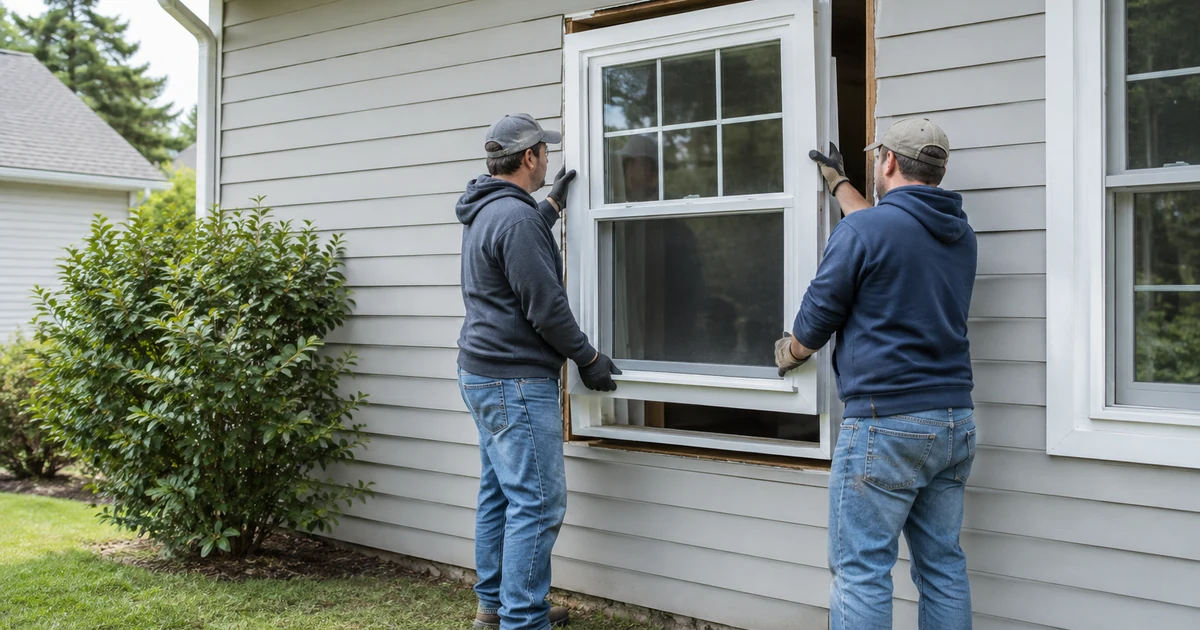
An insert (also called pocket or retrofit) window fits inside the existing frame. It is faster and cheaper and keeps interior trim intact. Full-frame replacement removes everything down to the rough opening. It costs more, with labor alone running about $180–$1,500 per window versus $100–$300 for an insert, but lets the installer fix rot, add insulation, and flash the opening properly.
Glass package
Double-pane glass with a low-E coating is the standard today. Low-E coatings typically add 10%–20% to the window price. Triple-pane glass costs more again and is most worthwhile in very cold climates or next to noisy streets.
Size, shape, and location
Oversized, arched, and custom-shaped windows cost significantly more. Upper-floor windows may need extra ladders or scaffolding, and basement egress windows that require digging and cutting the foundation cost thousands more than a standard replacement.
Permits and older homes
Many areas require a permit for window replacement, especially if the opening size changes. In homes built before 1978, contractors must follow EPA lead-safe work practices when disturbing painted surfaces, which can add to labor costs.
Region and climate
Labor rates vary by location. Coastal areas that require impact-rated hurricane windows, such as much of Florida, pay far more per window than the national average.
Replacement Window Cost by Glass Type
The glass package affects comfort, noise, and energy use. Double-pane glass is the default choice for most homes today.
| Glass type | Cost per window (installed) | Best for |
|---|---|---|
| Double-pane | $400–$2,000 | Most homes and climates |
| Double-pane with low-E coating | Adds about 10%–20% | Reducing heat gain and loss |
| Triple-pane | $450–$3,000+ | Very cold climates, noise reduction |
| Impact-rated (hurricane) | $1,200–$1,500+ | Coastal hurricane zones |
Look for the ENERGY STAR label and the NFRC rating sticker when comparing windows. The U-factor shows how well a window insulates (lower is better), and the solar heat gain coefficient shows how much sun heat it lets in. Northern homes benefit from a low U-factor, while homes in hot climates benefit from a low solar heat gain coefficient.
Window Replacement Cost by Room
Where the window goes changes the price because of size, style, and code requirements.
- Bedrooms and bathrooms: about $300–$1,000 per window. Bathroom windows may need tempered or obscure glass.
- Kitchens: about $300–$1,500, with larger over-sink and garden windows at the higher end.
- Basements: about $200–$1,000 for a standard replacement. A new egress window that requires cutting the foundation and digging a window well typically runs $2,000–$5,000.
- Living rooms: large picture windows and bay or bow windows push costs into the thousands.
Replacement vs. New-Construction Windows
Replacement windows are built to fit into existing openings, either as inserts inside the old frame or as full-frame units. New-construction windows have a nailing fin that attaches to the wall framing, so installing them usually means removing some exterior siding or trim around each opening.
New-construction windows make sense during a siding replacement, a major remodel, or when the wall around the window has water damage. For most homes with sound frames and siding, replacement windows are faster and cheaper. Full-frame and new-construction installs take longer per window than inserts.
Before you hire: get at least three written, itemized quotes from licensed and insured local pros. Prices for the same job often differ by 30% or more, and comparing line items is the fastest way to spot padding or missing work.
Signs You Need Replacement Windows
- Drafts you can feel around closed windows, even after new weatherstripping and caulk.
- Fog or condensation between panes, which means the insulated glass seal has failed.
- Windows that stick, will not stay open, or will not lock.
- Soft, rotting wood frames or sills.
- Single-pane glass in a home you heat or cool much of the year.
- Noticeable outside noise or rising energy bills.
If only the glass unit has fogged and the frame is sound, glass-only replacement at roughly $200–$400 per window can be a cheaper fix than a full new window.
DIY vs. Hiring a Pro
Experienced DIYers can install a standard insert window, saving roughly $100–$300 in labor per window. The risk is in the details: a poorly sealed or flashed window can leak into the wall for years before anyone notices. Most manufacturer warranties also require or favor professional installation, so check before you buy.
Hire a pro for full-frame replacements, upper-story windows, bay and bow windows, and any home built before 1978, where lead-safe practices apply. A professional crew can often replace 8–10 standard windows in a day or two.
New windows work best as part of a tighter home. Pairing them with better attic insulation often does more for comfort than windows alone, and keeping gutters in good shape protects new window trim from water damage.
How to Save Money on Window Replacement
- Replace in batches. Doing several windows at once lowers the cost per window compared with one-off replacements.
- Choose inserts when the frames are sound. Insert replacement is cheaper than full-frame and avoids new interior trim work.
- Stick to standard sizes and styles. Double-hung and sliding vinyl windows in common sizes offer the best value.
- Get at least three quotes. Compare the same material, glass package, and installation method so the quotes are apples to apples.
- Check utility and state rebates. The federal 25C Energy Efficient Home Improvement Credit ended for windows placed in service after December 31, 2025, so it does not apply to 2026 installs. Some utilities and states still offer rebates for ENERGY STAR windows.
- Schedule in the off-season. Installers are often less busy in late fall and winter, which can mean shorter waits and better pricing.
- Prioritize the worst windows. If the budget is tight, replace drafty, rotting, or fogged windows first and do the rest later.
Frequently Asked Questions
How much does it cost to replace 10 windows?
Replacing 10 standard vinyl windows typically costs about $4,500 to $11,000 installed, with many homeowners paying around $7,500. Fiberglass or wood windows, full-frame installation, or custom sizes raise the total.
Is there a tax credit for replacement windows in 2026?
No federal credit is available for 2026 installs. The 25C Energy Efficient Home Improvement Credit does not apply to property placed in service after December 31, 2025. Check with your utility and state energy office for local rebates.
What is the cheapest type of replacement window?
Vinyl single-hung or sliding windows in standard sizes are usually the cheapest option. Aluminum can also be inexpensive but insulates poorly in most climates.
How long do replacement windows last?
Quality vinyl and fiberglass windows commonly last 20–40 years, and well-maintained wood windows can last longer. Seal failures between the panes are a common reason for replacement before then.
What is the difference between insert and full-frame window replacement?
Insert windows fit inside the existing frame, which is cheaper and faster. Full-frame replacement removes the old frame down to the rough opening, costs more, and is best when the frame is rotted or you want to fix insulation and flashing.
Do I need a permit to replace windows?
It depends on your city. Many areas require a permit, especially if you change the size of the opening or the work involves egress windows. Your installer usually handles the permit.