Roof Replacement Cost by Material
Roofers price jobs by the square, which is 100 sq ft of roof surface. The material you pick sets the price per square more than anything else, because it changes both what the crew buys and how long installation takes. The figures below are installed prices for new roofing only; removing the old roof is added on top (see the tear-off section further down).
| Roofing material | Installed per sq ft | Installed per square | 20-square roof (about 2,000 sq ft) |
|---|---|---|---|
| 3-tab asphalt shingles | $3.00 – $4.50 | $300 – $450 | $6,000 – $9,000 |
| Architectural (dimensional) asphalt shingles | $3.50 – $5.50 | $350 – $550 | $7,000 – $11,000 |
| Premium / impact-resistant (Class 4) asphalt | $5.00 – $8.00 | $500 – $800 | $10,000 – $16,000 |
| Flat roof membrane (TPO, EPDM, modified bitumen) | $3.50 – $10.00 | $350 – $1,000 | $7,000 – $20,000 |
| Exposed-fastener metal panels | $5.00 – $12.00 | $500 – $1,200 | $10,000 – $24,000 |
| Stone-coated steel | $6.00 – $14.00 | $600 – $1,400 | $12,000 – $28,000 |
| Standing seam metal | $9.00 – $16.00 | $900 – $1,600 | $18,000 – $32,000 |
| Cedar shakes | $6.50 – $14.00 | $650 – $1,400 | $13,000 – $28,000 |
| Concrete tile | $7.00 – $15.00 | $700 – $1,500 | $14,000 – $30,000 |
| Clay tile | $10.00 – $25.00 | $1,000 – $2,500 | $20,000 – $50,000 |
| Natural slate | $10.00 – $30.00 | $1,000 – $3,000 | $20,000 – $60,000 |
Architectural asphalt shingles cover the majority of American homes because they balance price, looks, and a 25- to 30-year service life. Three-tab shingles save roughly 10% to 20% up front, but many manufacturers have trimmed their 3-tab lines, and the thinner product wears out sooner in hot or windy climates.
Metal, tile, and slate cost two to five times as much, yet they can last 50 years or more, so the cost per year of service is closer than the sticker price suggests. Tile and slate are also heavy, and an older house may need an engineer to confirm the rafters can carry the load before you commit. For a closer look at panel styles and metals, see our metal roof cost guide.
Cost to Replace a Roof by Size
Roof area is not the same as your home’s floor area. Overhangs add surface, and the steeper the pitch, the more square footage the same footprint covers. A 1,600 sq ft ranch with a 6/12 pitch often measures close to 2,000 sq ft of roof once eaves and waste are counted. If you want to measure yours, our roofing calculator walks through footprint, pitch multipliers, and waste step by step.
Here is what an architectural asphalt roof usually costs by size, using $450 to $750 per square with a single-layer tear-off included:
| Roof area | Roofing squares | Installed cost (tear-off included) |
|---|---|---|
| 1,000 sq ft | 10 | $4,500 – $7,500 |
| 1,500 sq ft | 15 | $6,750 – $11,250 |
| 2,000 sq ft | 20 | $9,000 – $15,000 |
| 2,500 sq ft | 25 | $11,250 – $18,750 |
| 3,000 sq ft | 30 | $13,500 – $22,500 |
| 3,500 sq ft | 35 | $15,750 – $26,250 |
Small roofs often land at the top of their range per square, since setup, the dumpster, and permit fees don’t shrink with the job. Large, simple roofs tend to price toward the bottom because the crew spends more of the day nailing and less time moving ladders.
Cost Breakdown: Materials vs. Labor
On an asphalt shingle job, labor and tear-off usually make up 40% to 60% of the bill. Here is how a typical $450 to $750 per square price splits up:
| Item | Per square | 20-square roof |
|---|---|---|
| Shingles plus underlayment, starter strip, ridge cap, drip edge, nails, and vents | $150 – $250 | $3,000 – $5,000 |
| Installation labor | $200 – $300 | $4,000 – $6,000 |
| Tear-off and disposal (one layer) | $100 – $200 | $2,000 – $4,000 |
| Total | $450 – $750 | $9,000 – $15,000 |
Some costs sit outside the per-square price and show up as separate lines on a quote:
- Building permit: $100 to $500 in most towns; some large cities charge $1,000 or more.
- Decking (sheathing) replacement: $2 to $5 per sq ft for boards found rotted during tear-off, occasionally more.
- Ice and water shield: roughly $50 per square in the areas where it’s used, usually eaves and valleys in cold climates.
- Flashing, chimney, and skylight work: priced per item; reflashing a chimney or replacing a skylight adds a few hundred to a couple of thousand dollars.
- Extended manufacturer warranty: $500 to $5,000 depending on the coverage tier.
Other Factors That Affect Roof Replacement Cost
Roof pitch and height
Walkable roofs (about 6/12 or flatter) are the cheapest to work on. Once the pitch passes roughly 8/12, crews need roof jacks, harnesses, and more time per square, and many contractors add $1,000 to $3,000 to the job. Two- and three-story homes add similar handling costs.
Complexity
Valleys, dormers, hips, turrets, and multiple roof levels mean more cutting, more flashing, and more wasted material. A cut-up roof can cost 15% to 30% more than a simple gable roof of the same area.
Number of layers to remove
A single layer of asphalt comes off for about $100 to $200 per square. A second layer, or heavy materials like tile and slate, raise removal to $150 to $500 per square because of the extra labor and dump weight.
Hidden damage
Soft decking, rotted fascia, and damaged rafters are only visible once the roof is open. Fascia and soffit repairs typically run $500 to $2,500, and structural framing work costs more.
Code upgrades
Current codes may require things your old roof never had: drip edge, ice barrier at the eaves, added ventilation, or specific nailing patterns in high-wind zones. These are real costs, not upsells, and a permit inspector will check for them.
Solar panels, satellite dishes, and other rooftop equipment
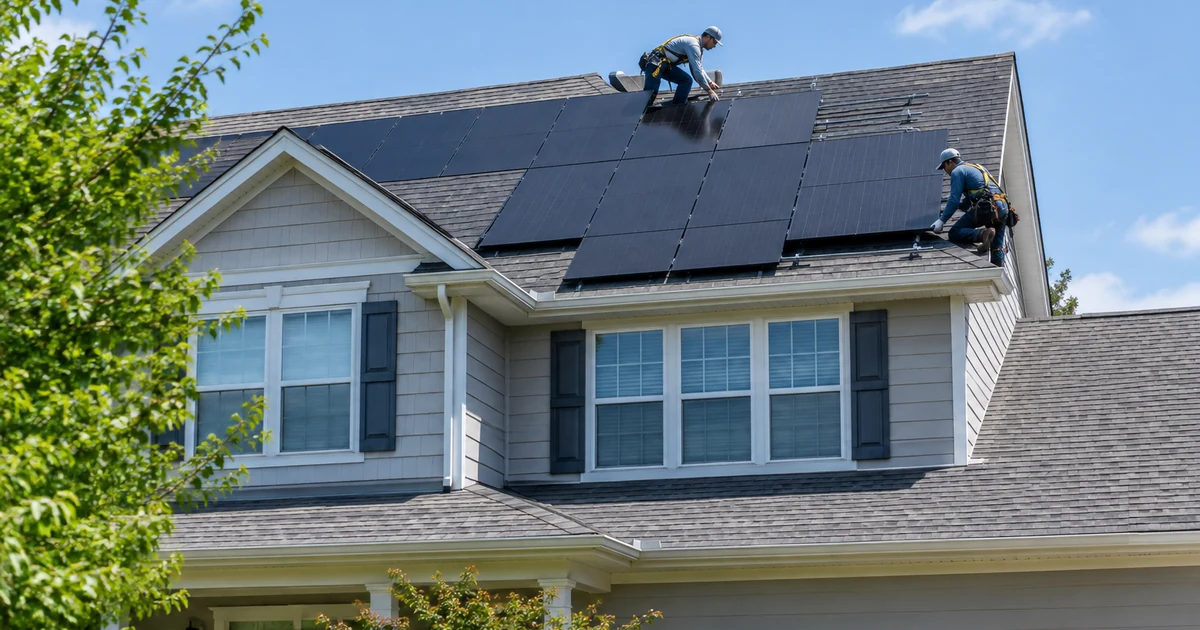
Solar panels must be removed and reinstalled, which usually costs $500 to $2,000 or more depending on the size of the array and who does the work. Book the solar installer early, because their schedule can hold up the roofer’s.
Location and season
Labor rates in high-cost metros can push prices 20% or more above the national average, and demand spikes after hailstorms and hurricanes. Use the region selector in the calculator above to adjust for your area.
Before you hire: get at least three written, itemized quotes from licensed and insured local pros. Prices for the same job often differ by 30% or more, and comparing line items is the fastest way to spot padding or missing work.
Repair or Replace Your Roof?
A leak doesn’t automatically mean you need a new roof. If the problem is limited to a cracked pipe boot, lifted flashing, or a small patch of blown-off shingles, a repair for a few hundred dollars is usually the smarter spend. Our roof repair cost guide lists prices for the most common fixes.
Replacement makes more sense when you see these signs:
- The roof is within a few years of its expected life (about 20 to 30 years for asphalt shingles).
- Shingles are curling, cupping, or cracking across large areas, not just in one spot.
- Gutters collect heavy granule loss, leaving bald patches on the shingles.
- The decking feels spongy underfoot, or you can see daylight from the attic.
- Leaks keep returning in different places after repairs.
- Storm damage covers a large share of the roof, which your insurer may pay to replace.
A useful rule of thumb: if repair quotes approach a quarter or more of the replacement cost on a roof past the midpoint of its life, put that money toward replacement instead.
DIY vs. Hiring a Roofer
Roof replacement is one of the riskiest home projects to attempt yourself. Falls are the leading cause of death in the construction industry, and a DIY job can also void the shingle manufacturer’s warranty, since many warranties require installation by a trained or certified contractor. Most towns require a permit, and some only issue roofing permits to licensed contractors.
If you are handy and the roof is a low-slope, one-story shed or garage, a DIY re-roof can save the labor share of the bill. For a house, hire a licensed and insured roofer, confirm they carry workers’ compensation, and get the scope, materials, and warranty in writing.
How to Save Money on a Roof Replacement
- Get at least three itemized quotes. Compare the same shingle line, underlayment, ventilation, and decking price per sheet, not just the bottom line.
- Check your homeowners insurance. Hail or wind damage may be covered. Call your insurer before signing a contract, and be wary of contractors who offer to cover your deductible, which is illegal in several states.
- Ask about impact-resistant shingles and insurance discounts. Some insurers in hail-prone states reduce premiums for Class 4 shingles, which can offset part of their higher price over time.
- Schedule outside peak season. Roofers are busiest from late spring through early fall and after major storms. Late fall or a mild winter week can bring more flexible pricing in many regions.
- Consider an overlay only if it truly qualifies. Building codes generally allow new shingles over one existing layer, not two. An overlay saves the tear-off cost but hides the decking and adds weight, so it rarely makes sense on an older roof.
- Replace gutters at the same time if they are near the end of their life. The drip edge and fascia are already exposed, and bundling can save a separate trip. See our gutter installation cost guide for pricing.
- Don’t count on the federal energy credit. The 25C Energy Efficient Home Improvement Credit ended for improvements placed in service after December 31, 2025, so it no longer applies to 2026 projects. Check with your state and utility for any local incentives instead.
Frequently Asked Questions
How much does it cost to replace a 2,000 sq ft roof?
A 2,000 sq ft roof is 20 squares. With architectural asphalt shingles and a single-layer tear-off, expect roughly $9,000 to $15,000, with most jobs near $11,500. The same roof in standing seam metal typically costs $20,000 to $35,000 once tear-off is added.
How much does a new roof cost per square?
Architectural asphalt shingles cost about $350 to $550 per square installed, or $450 to $750 with tear-off and disposal. Metal runs $500 to $1,600 per square, tile $700 to $2,500, and natural slate $1,000 to $3,000.
Is roof replacement covered by homeowners insurance?
Insurance generally pays when a covered event such as hail, wind, or a fallen tree damages the roof, minus your deductible. It does not cover a roof that has simply worn out with age. Some policies pay only the depreciated value on older roofs, so read your declarations page before filing.
How long does a roof replacement take?
A typical asphalt shingle roof on a single-family home takes one to three days. Steep, complex, or very large roofs, and tile or slate installations, can take a week or more. Weather delays and decking repairs can extend the timeline.
Can you put new shingles over old ones?
Building codes generally allow one overlay on top of a single existing layer of asphalt shingles, but not a third layer. An overlay saves $100 to $200 per square in tear-off, but it hides the decking and adds weight, so most roofers recommend a full tear-off on older homes.
How often should a roof be replaced?
Architectural asphalt shingles typically last 25 to 30 years, 3-tab shingles 15 to 20, and metal, tile, and slate 50 years or more. Heat, storms, poor attic ventilation, and missed maintenance can shorten those lifespans.