Sod Installation Cost by Grass Type
Grass species matters less than most people expect. The price gap between the cheapest and priciest sod is usually a few dimes per square foot, while labor, prep, and delivery make up the bulk of the bill. The right grass for your climate matters far more than saving a few cents.
| Grass type | Sod only (per sq ft) | Installed (per sq ft) | Climate / use |
|---|---|---|---|
| Bahia | $0.20 – $0.40 | $1.20 – $2.40 | Hot, humid South; sandy soil; low input |
| Kentucky bluegrass | $0.30 – $0.57 | $1.35 – $2.40 | Northern lawns; soft, dense, spreads to self-repair |
| Tall fescue | $0.35 – $0.70 | $1.35 – $2.65 | Transition zone and North; tolerates some shade |
| St. Augustine | $0.30 – $0.80 | $1.35 – $2.75 | Gulf Coast and Florida; handles partial shade |
| Bermuda | $0.30 – $0.85 | $1.35 – $2.85 | Full sun, heat, heavy traffic; common in the South |
| Zoysia | $0.30 – $1.05 | $1.40 – $2.85 | Dense, slow-growing, warm and transition zones |
| Centipede | $0.35 – $0.90 | $1.75 – $2.85 | Southeast; acidic soil, low maintenance |
Cool-season grasses like bluegrass and fescue suit the northern half of the country, while warm-season grasses like Bermuda, St. Augustine, and zoysia thrive in the South. Your local sod farm will generally stock what grows well nearby, and that is usually the best-priced option too.
Sod cost by lawn size
For a new lawn on soil that is already graded, most installers charge about $1 to $2 per square foot, sometimes more for small jobs. Replacing an existing lawn, which includes stripping the old turf, typically runs $1.50 to $4 per square foot.
| Lawn area | New lawn ($1 – $2.50/sq ft) | Resod with old lawn removal ($2 – $4/sq ft) |
|---|---|---|
| 500 sq ft | $500 – $1,300 | $1,000 – $2,000 |
| 1,000 sq ft | $1,000 – $2,500 | $2,000 – $4,000 |
| 2,000 sq ft | $2,000 – $5,000 | $4,000 – $8,000 |
| 3,000 sq ft | $3,000 – $7,500 | $6,000 – $12,000 |
| 5,000 sq ft | $5,000 – $12,500 | $10,000 – $20,000 |
| 1/4 acre (10,890 sq ft) | $10,900 – $27,300 | $21,800 – $43,600 |
The national average for a sod installation lands around $2,000, which typically buys about 1,000 to 1,500 square feet of new lawn with delivery. Very small jobs often hit a contractor’s minimum, so the per-foot price climbs below a few hundred square feet.
Cost Breakdown: Materials vs. Labor
On a 1,000-square-foot job at about $2,000, here is roughly where the money goes:
- Sod: $0.30 to $1.00 per square foot, or about $300 to $1,000. Sold by the pallet, which covers roughly 400 to 500 square feet and costs $110 to $375 depending on species and region. Individual rolls or slabs cover about 10 square feet and run $3 to $8 each at retail.
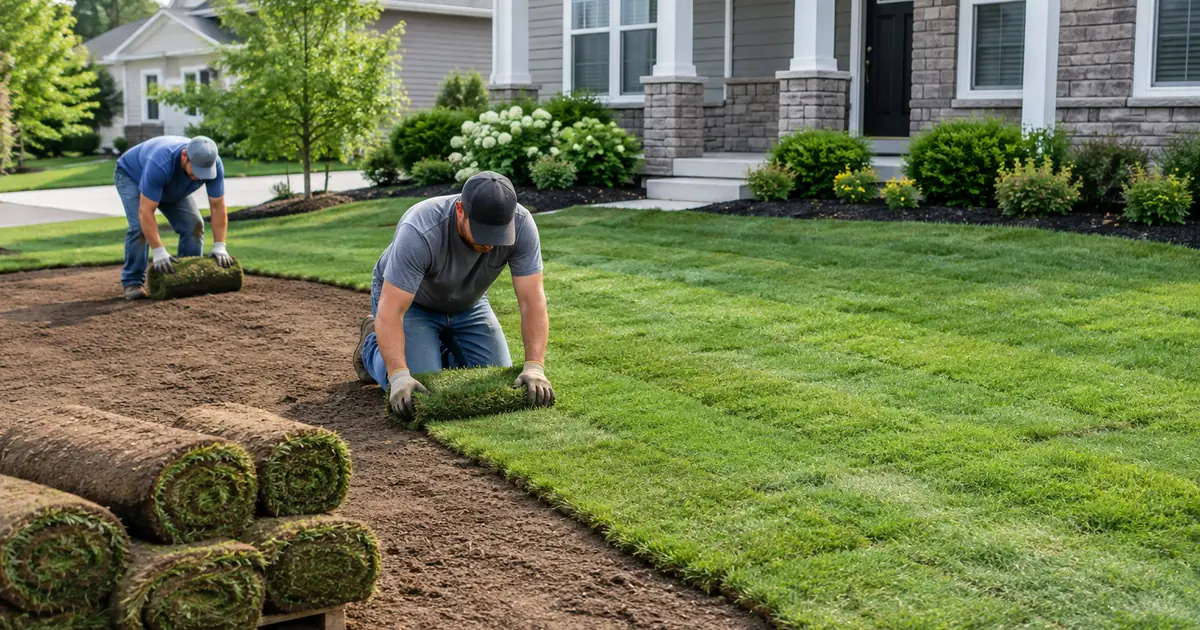
- Labor: $0.50 to $1.00 per square foot for laying sod on prepared ground, or $35 to $80 per hour. Laying one pallet takes a crew roughly 4 to 5 labor hours.
- Delivery: $55 to $250 per truckload from the sod farm or supplier.
- Soil prep: tilling runs roughly $0.10 to $0.65 per square foot; starter fertilizer adds a few cents per foot; topsoil costs about $12 to $55 per cubic yard before delivery.
- Old lawn removal: $0.50 to $2.00 per square foot when the existing grass has to be cut out and hauled away.
Other Factors That Affect Sod Installation Prices
Site preparation and grading
Sod needs a smooth, loosened bed with good soil contact. A yard with ruts, low spots, or poor drainage may need leveling at $1 to $3 per square foot. If water pools against the foundation, fix the grade first; for chronic soggy spots, a French drain may be worth pricing alongside the lawn.
Existing lawn and weeds
Laying sod over dead grass or weeds is a shortcut that usually fails. Crews use a sod cutter to remove the old turf, and heavy weed pressure may call for an herbicide treatment a couple of weeks before installation, which adds time and a small cost.
Soil quality
A soil test costs about $20 to $100 through a lab or county extension office and tells you whether lime, sulfur, or nutrients are needed. Compacted clay or construction fill may need several inches of topsoil worked in, which can outweigh the cost of the sod itself on new-build lots.
Access, slope, and obstacles
Pallets weigh well over a ton, so a crew that can drive a forklift or skid steer to the yard works faster than one hand-carrying rolls through a side gate. Slopes may need staking, and lots of trees or beds mean more hand cutting.
Season and region
Spring and early fall are peak season in most areas. Labor rates, sod farm pricing, and delivery distance all vary by location, which the region setting in the calculator reflects.
Irrigation
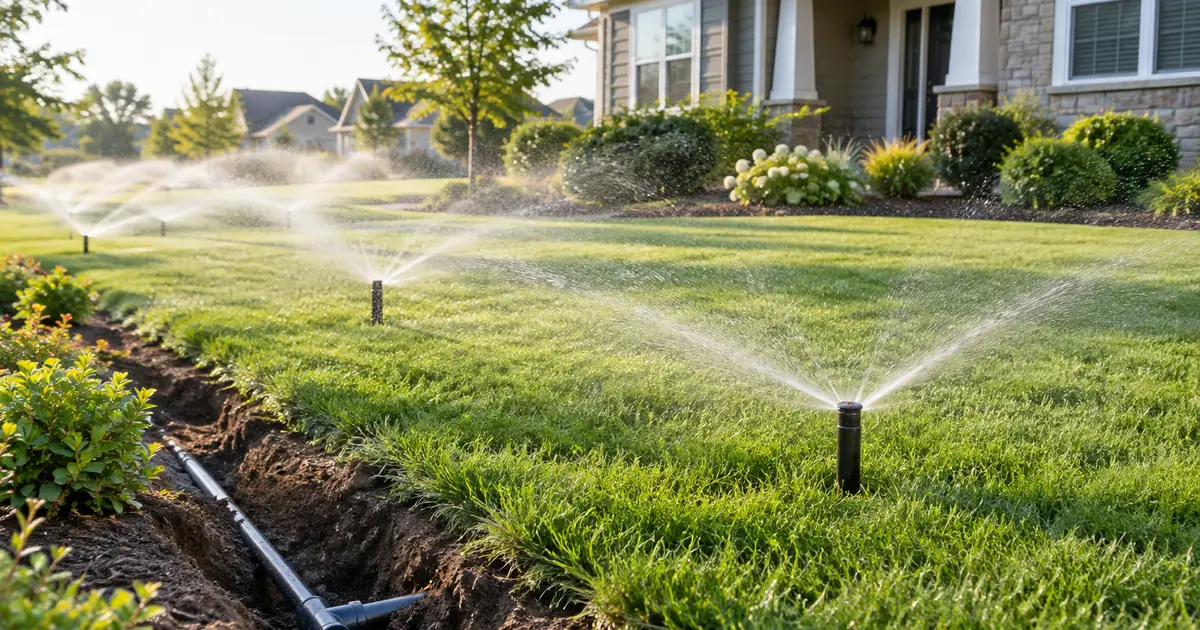
New sod needs daily watering for the first couple of weeks. If you are dragging hoses around a large lawn, it may be the right moment to add an in-ground system; see our sprinkler system installation cost guide for zone pricing.
Before you hire: get at least three written, itemized quotes from licensed and insured local pros. Prices for the same job often differ by 30% or more, and comparing line items is the fastest way to spot padding or missing work.
Signs You Need New Sod Instead of Overseeding
Not every tired lawn needs a full replacement. Overseeding and fertilizing cost a fraction of sod and fix thin but otherwise healthy turf. Sod is usually the better call when:
- More than about half the lawn is bare, weedy, or a different grass than you want.
- You have new construction, a regraded yard, or erosion on a slope that seed would wash off.
- You need a usable lawn quickly, for example before listing a house or after a septic or drainage project.
- Repeated seeding has failed because of shade, foot traffic, or the wrong species for your climate.
DIY vs. Hiring a Pro
Sod is one of the more DIY-friendly landscaping projects. Doing it yourself mainly costs the sod, delivery, and tool rentals. Cost guides estimate $330 to $420 for a sod cutter, tiller, lawn roller, and supplies, so on a 2,000-square-foot lawn you could save well over $1,000 compared with hiring a crew.
The catch is timing and physical effort. Sod should be laid the day it arrives, because rolls stacked on a pallet heat up and start to yellow quickly. A pallet can weigh 2,000 pounds or more, and each roll is heavy when wet. Hiring a pro makes more sense when the yard needs regrading, the old lawn has to be stripped, or the area is large enough that you cannot lay it all in one day. Call 811 before tilling or grading so buried utility lines get marked.
Sod vs. seed vs. artificial turf
Seeding is far cheaper, often around $0.10 to $0.20 per square foot for reseeding, but takes a full season to fill in and struggles on slopes. Sod gives you a usable lawn in a few weeks. Artificial turf costs several times more upfront, around $6 to $20 per square foot installed, but eliminates mowing and watering.
How to Save Money on Sod Installation
- Buy direct from a sod farm. Farm prices per pallet are usually lower than big-box retail, and the sod is fresher.
- Handle the prep yourself. Removing old turf, tilling, and raking out debris are the most labor-intensive steps and can cut a contractor’s bill substantially.
- Measure carefully. Break the yard into rectangles and triangles, add 5% to 10% for waste, and avoid a second delivery charge.
- Choose the grass that grows locally. Well-adapted species need less water and fewer replacements.
- Time it right. Cool-season grass does best laid in early fall or spring, warm-season grass in late spring or early summer. Healthy establishment is the best way to avoid paying twice.
- Get two or three quotes. Ask whether removal, grading, soil amendments, and delivery are included, so you are comparing the same scope.
- Protect the investment. Water deeply and daily for the first couple of weeks, then taper off. Stay off new sod until the roots knit into the soil.
Frequently Asked Questions
How much does a pallet of sod cost?
A pallet typically costs $110 to $375 and covers about 400 to 500 square feet. Bahia and bluegrass sit at the lower end; zoysia and some premium cultivars cost more. Delivery is usually extra.
How much does it cost to sod 1,000 square feet?
Expect about $1,000 to $2,500 installed on ground that is already bare and graded, with many homeowners paying around $2,000 including delivery. If the old lawn has to be removed first, budget $2,000 to $4,000.
Is it cheaper to lay sod yourself?
Yes. DIY cuts the bill to mostly sod, delivery, and about $330 to $420 in tool rentals and supplies. It is heavy, time-sensitive work, since sod should go down the same day it is delivered.
Can you lay sod over existing grass?
It is not recommended. The old grass blocks root contact with the soil, and the new sod often dies back or stays patchy. Strip the old lawn with a sod cutter or remove it with a herbicide treatment first.
When is the best time to install sod?
For cool-season grasses like fescue and bluegrass, early fall and spring are ideal. Warm-season grasses such as Bermuda, zoysia, and St. Augustine establish best from late spring through early summer, when soil is warm.
How long before you can walk on new sod?
Keep foot traffic to a minimum for about two weeks while the roots grow into the soil. A gentle tug test helps: if the sod resists lifting, it is rooting in. Wait until then for the first mowing on a high setting.