Mini Split Installation Cost by Number of Zones
A zone is one indoor unit, usually one room or open area. Each extra zone adds an indoor head, another refrigerant line set, another wall penetration and a few more hours of labor, and multi-zone systems need a larger outdoor unit. That’s why zone count moves the price more than anything else.
| System | Typical installed cost | Typical use |
|---|---|---|
| Single-zone (1 indoor unit) | $2,500 – $5,500 | Addition, garage, bonus room, primary bedroom |
| 2 zones | $4,500 – $8,000 | Two bedrooms, or living area plus a bedroom |
| 3 zones | $6,500 – $11,000 | Main living spaces in a small home |
| 4 zones | $8,000 – $13,000 | Most rooms in a mid-size home |
| 5 zones | $10,000 – $15,000+ | Whole-home heating and cooling without ducts |
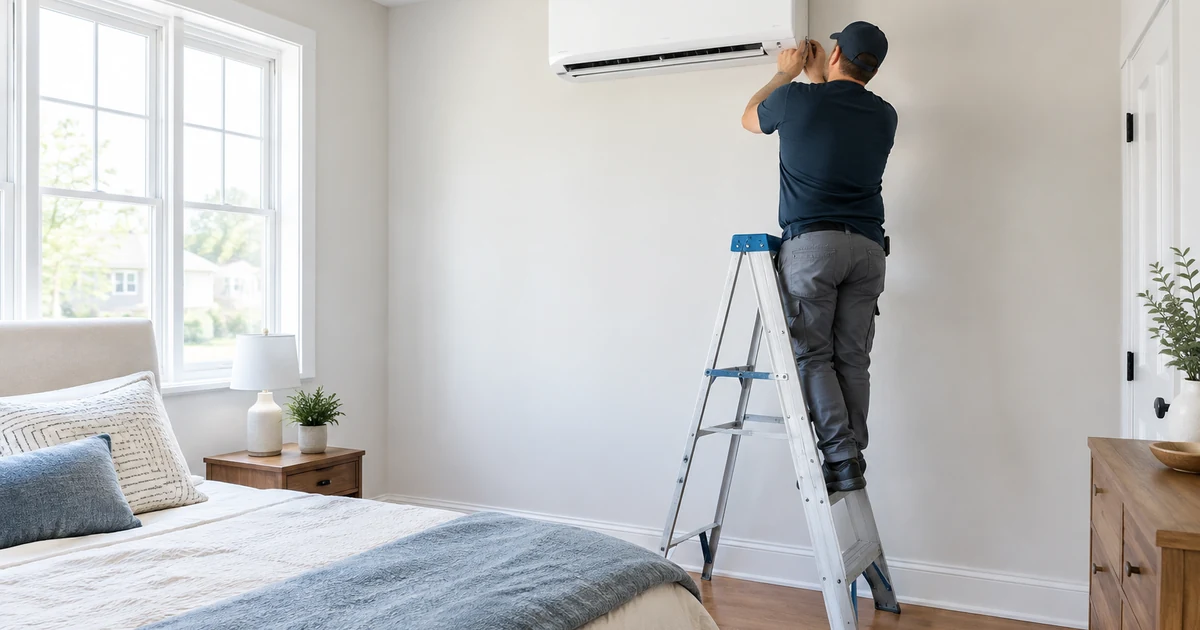
A typical single-zone install with a 12,000 BTU (1-ton) wall-mounted unit costs about $3,800. Published averages range from about $3,000 to over $4,000 depending on the source, and simple back-to-back installs on an exterior wall come in lower than jobs with long line runs or second-floor heads.
For whole-home systems, sources vary even more. Industry marketplace data puts large multi-zone installations well above $15,000, especially with premium cold-climate equipment. At that size, compare quotes against a ducted system: see our heat pump installation cost guide if you have ducts, or central air installation cost if you’re weighing new ductwork.
Cost by Unit Size (BTU)
Mini-splits are sized in BTUs. A 9,000 BTU unit suits a bedroom or office, 12,000 BTU a larger bedroom or small living room, and 18,000 to 24,000 BTU an open living area or small apartment. Insulation, ceiling height, sun exposure and climate all change the answer.
| Capacity | Area served (approx.) | Installed single-zone cost |
|---|---|---|
| 9,000 BTU (0.75 ton) | 300 – 450 sq ft | $2,500 – $4,200 |
| 12,000 BTU (1 ton) | 450 – 650 sq ft | $3,000 – $5,000 |
| 18,000 BTU (1.5 tons) | 650 – 1,000 sq ft | $4,500 – $6,500 |
| 24,000 BTU (2 tons) | 1,000 – 1,300 sq ft | $6,000 – $8,000 |
Cost Breakdown: Equipment vs. Labor
- Equipment: a single-zone indoor and outdoor unit set typically runs $700 to $3,200 for 12,000 BTU, depending on brand and efficiency. Each extra wall-mounted head on a multi-zone system adds roughly $450 to $1,600.
- Labor: about $300 to $2,000 for a single zone and $700 to $3,000 or more for multi-zone systems. Most single-zone installs take 5 to 10 hours.
- Refrigerant line set: about $5 to $7 per foot. Standard kits include 15 to 25 feet; longer runs cost extra.
- Electrical: most systems need a dedicated 240-volt circuit and outdoor disconnect, often a few hundred dollars from an electrician.
- Permit: roughly $250 to $400 where required.
- Extras: condensate pump $120 to $280, condenser stand or wall bracket $40 to $210, line-hide covers for a cleaner exterior look.
Other Factors That Affect the Price
Indoor unit style
Wall-mounted heads are the least expensive and most common. Floor consoles cost a bit more. Ceiling cassettes and concealed ducted units look cleaner but need ceiling or attic work, often adding 25 percent or more to the job.
Brand and efficiency
Budget brands sold online cost far less than premium lines from major manufacturers, but installer support and warranty terms differ. Many premium brands require installation by a licensed contractor for full warranty coverage. Higher SEER2 and HSPF2 ratings cost more upfront and lower operating costs.
Cold-climate performance
Most mini-splits are heat pumps that heat as well as cool. Cold-climate models rated to keep heating well below 0°F cost more, but in northern states they’re often what makes a mini-split a primary heat source instead of a supplement.
Line set length and wall type
Long runs between the indoor and outdoor units, second- and third-floor heads, and drilling through brick, stone or concrete all add labor. Multi-zone systems with heads on opposite sides of the house can need 100 feet or more of line set in total.
Removing old equipment
If the mini-split replaces window units, a through-wall AC or old baseboard heaters, removal and disposal typically add $50 to $200. Patching the old wall sleeve or repainting behind removed baseboards is extra, and those small finish jobs are easy to overlook when comparing quotes.
Region and season
Labor rates in large coastal metros run well above those in rural areas, and installers booked solid in July or January have little reason to discount. Northern utilities with active heat pump programs can also drive demand, and wait times, for qualified installers.
Electrical capacity
A single-zone mini-split draws modest power, but a large multi-zone system plus other loads can push an older 100-amp panel to its limit. A load calculation will show whether you need an electrical panel upgrade, which typically runs $1,300 to $4,000.
Before you hire: get at least three written, itemized quotes from licensed and insured local pros. Prices for the same job often differ by 30% or more, and comparing line items is the fastest way to spot padding or missing work.
DIY vs. Hiring a Pro
Some mini-splits are sold as DIY kits with pre-charged line sets and quick-connect fittings, so no refrigerant handling is needed. They can save labor on a simple single-zone job if you’re comfortable mounting a bracket, drilling a 3-inch hole through an exterior wall and setting the outdoor unit level. The electrical side is different: a 240-volt circuit usually needs a permit, and many areas require a licensed electrician.
Conventional systems, which ship without pre-charged lines, require vacuuming and charging with refrigerant, and EPA rules require Section 608 certification for that work. Many manufacturers also limit or void the warranty on DIY installs, so read the terms before you buy.
Mini-Split vs. Central Air
Mini-splits shine where ducts don’t exist: older homes with radiators, additions, finished attics, garages and sunrooms. They avoid the duct losses that can waste a meaningful share of a central system’s energy, and each room gets its own thermostat. For a whole house that already has good ducts, a central system or ducted heat pump is often cheaper. Some homeowners pair both, keeping central air for the main floor and adding a single mini-split for a room the ducts never cooled well.
Looks matter too. Wall-mounted heads are visible in every room they serve, and the outdoor line sets run along the exterior. If that’s a dealbreaker, ceiling cassettes or slim concealed ducted units hide most of the hardware, at a higher installed price. If you’re replacing an existing central system rather than adding cooling, our AC replacement cost guide shows what a like-for-like swap runs.
Maintenance After Installation
Mini-splits are low-maintenance but not no-maintenance. Rinse the washable filters in each indoor head every two to four weeks during heavy use, keep plants and snow clear of the outdoor unit, and watch for water dripping from a head, which usually means a clogged condensate line. A professional cleaning of the indoor coils and blower wheels, often $150 to $500 a year depending on the number of heads, prevents the musty smell and lost airflow that dirty units develop.
How to Save Money on Mini Split Installation
- Cool only the rooms you use. A single-zone unit for the hottest room often solves the problem for a fraction of a whole-home system.
- Keep indoor and outdoor units close. Short line runs on an exterior wall cut both materials and labor.
- Choose wall-mounted heads unless the look of a cassette or ducted unit really matters to you.
- Check utility and state rebates. Many utilities offer heat pump rebates for qualifying mini-splits. The federal 25C tax credit ended for systems placed in service after December 31, 2025, so it doesn’t apply to 2026 installs.
- Get three quotes with the same zone count and capacity. Mini-split pricing varies widely between installers.
- Schedule in spring or fall. Installers are less booked outside peak cooling and heating seasons.
- Don’t oversize. An oversized head short-cycles and dehumidifies poorly; ask for a room-by-room load calculation.
Frequently Asked Questions
How much does a 2-zone mini split cost installed?
A 2-zone mini split usually costs $4,500 to $8,000 installed. The final price depends on unit sizes, how far each head is from the outdoor unit and the brand.
How much does it cost to install a mini split in one room?
A single-zone mini split for one room typically costs $2,500 to $5,500 installed, with about $3,800 common for a 12,000 BTU wall-mounted unit. Smaller 9,000 BTU units on an exterior wall cost less.
Is a mini split cheaper than central air?
For one to three rooms, yes. For an entire home that already has good ductwork, central air or a ducted heat pump is usually less expensive. In homes without ducts, a multi-zone mini split is often comparable to or cheaper than adding ductwork.
Can a mini split heat a house in winter?
Most mini-splits are heat pumps and provide both heating and cooling. Cold-climate models can keep heating efficiently well below freezing, which makes them a primary heat source in many northern homes.
How long does a mini split last?
Mini-splits commonly last 15 to 20 years with regular maintenance. Clean the indoor filters every few weeks during heavy use and schedule a professional cleaning about once a year.
Do mini splits need a permit?
In many areas, yes, because the installation involves a new electrical circuit and refrigerant work. Permits typically cost $250 to $400; your installer usually pulls it.